Test report · tested November 25, 2026
Memory & StorageDevice under test
PC DRAM Prices to Rise 13–18% in Q4 as Power Chips Go on Allocation
PC DRAM contract prices will rise 13–18% in Q4 2026, slowing from prior quarters. Meanwhile power semiconductors went on allocation as AI demand pulls wafer capacity away from consumer and automotive parts.
- Read
- 4 min
- Words
- 885
- Segment
- Memory & Storage
- Operator
- Elena Vasquez
Spec summary
- TrendForce forecasts PC DRAM contract prices up 13–18% QoQ in Q4 2026, a slower pace than the previous quarter.
- A Nov. 24 PCIM report said power semiconductors went on allocation as AI-infrastructure demand tightened supply.
- Q3 DRAM industry revenue grew 369% year over year, with ASPs at $1.90 per gigabit, per Counterpoint Research.
- SK hynix expects the memory supply shortage to persist through 2030; TrendForce expects NAND prices to decline in 2027.
- TrendForce cut its Q4 NAND contract-price forecast to 8–13% and sees client SSD increases under 5%.
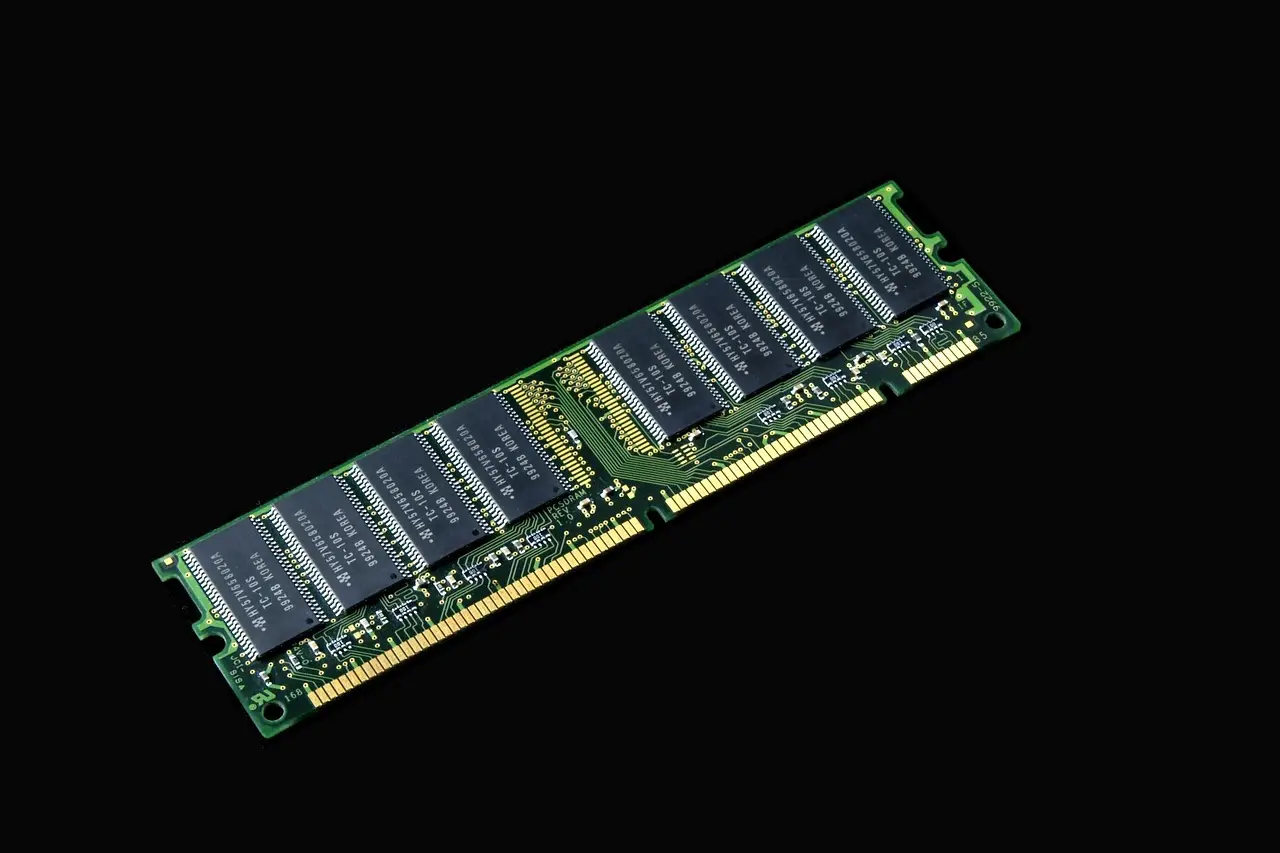
PC DRAM contract prices will rise 13–18% quarter over quarter in Q4 2026, and the pace of increase is easing for the first time this year. A second squeeze opened alongside memory in November: power semiconductors have gone on allocation as AI hardware competes for the same fabs.
TrendForce put the number on the slowdown in a Nov. 11 release, saying PC DRAM contract prices "will rise 13–18% QoQ in 4Q26, with increases slowing from the previous quarter." It tied the softer pace to weaker PC demand and changing supply strategies. Thirteen days later, a Nov. 24 PCIM report said power semiconductors had gone on allocation even as memory price growth moderates.
What does the Q4 forecast cover?
TrendForce's headline figure covers one segment. Its broader view of conventional DRAM — PC, server and mobile combined — calls for a 10–15% increase, per a Sourceability review published Nov. 19. PC memory rises faster than the blended average because suppliers have shifted wafers toward server parts, leaving PC buyers with less supply.
The storage side shows a clear ceiling:
- PC DRAM: +13–18% QoQ, slower than the previous quarter (TrendForce, Nov. 11)
- Conventional DRAM: +10–15% QoQ (via Sourceability, Nov. 19)
- Mobile DRAM: flat to slightly higher at elevated levels
- NAND Flash: +8–13% QoQ, a lowered forecast (Nov. 19)
- Client SSD: under 5% QoQ
- NAND in 2027: prices expected to decline
Read that as a map of momentum, not a price list. Every row still points up for Q4, yet each number is smaller than what buyers absorbed earlier this year.
Why the 13–18% figure keeps confusing people
The range shows up in at least three places. An earlier TrendForce release applied 13–18% to conventional DRAM in Q3. A PCIM summary dated Nov. 24 describes Q3 conventional DRAM growth of 13–18% after 58–63% in Q2 — that Q2 figure appears in only one source, so treat it as reported. The Nov. 11 release applies the same range to PC DRAM in Q4. Same range, different segment, different quarter.
What's capping the increase?
Demand explains most of the slowdown. A separate TrendForce release, updated Nov. 19, reported that mounting finished-goods inventories had pushed some PC makers to adjust their 2027 procurement plans. Buyers with full warehouses negotiate harder.
Suppliers still hold the structural advantage. TrendForce said memory makers will keep delivering agreed 2026 volumes to PC OEMs while capacity moves toward server applications. Weak demand slows the price rise; it doesn't reverse it. That mix hurts PC makers twice — they pay more per module and can't fully pass the cost on when shoppers hold back.
Power chips on allocation
The PCIM report says power semiconductors went on allocation in Q3 as AI-infrastructure demand tightened supply. AI hardware is drawing capacity away from 200mm power lines, conventional DRAM and consumer-grade capacitors — categories fabs can retool toward better-paying AI-server parts. The report names automotive power parts at onsemi as affected.
One caveat: the same report cites an outlook that power-semiconductor capacity could stay below full utilization until 2027–2028. Allocation can reflect which products fabs choose to build, not a lack of total capacity. No supplier allocation notice is confirmed in the sources reviewed.
AI is the common thread
HBM, the stacked memory feeding AI accelerators, will rise from 22% of DRAM wafer starts at the end of 2026 to 30% a year later, TrendForce expects. Every point that moves to HBM leaves less for PC and phone DRAM. In November, major suppliers prioritized HBM and server DDR5 while restricting conventional consumer DRAM. TrendForce expects Q4 supplier revenue to grow mainly on higher shipments, not further price spikes, with long-term agreement caps holding prices in check.
Who holds the market?
Counterpoint Research measured Q3 revenue up 369% year over year, with ASPs at $1.90 per gigabit. Samsung led with a 38% share, SK hynix held 29% (quarterly growth above 40%), Micron took 21% and CXMT 9% — together, 97% of revenue.
Profits show how far the upcycle has run. SK hynix posted Q3 revenue of 104.6155 trillion won with 83.3338 trillion won in operating profit — its first quarter above 100 trillion won in sales. Samsung reported Q3 revenue of KRW 195.3 trillion and operating profit of KRW 107.4 trillion. Micron's fiscal Q3, ended May 28, brought $41.46 billion in revenue against $9.30 billion a year earlier.
Spot and contract move apart
Contract prices keep rising; spot prices have weakened. Reports from Nov. 20–23 put the DRAM spot decline at about 5% over the preceding month, with other coverage saying as much as 20% depending on the product. A falling spot chart means traders have fewer buyers — not that the next PC ships with cheaper memory.
NAND is already rolling over, which makes it a preview of a downturn. TrendForce expects NAND prices to decline in 2027. DRAM doesn't share that outlook: SK hynix has secured long-term agreements for more than 50% of its 2027–2028 capacity and expects the shortage to persist through 2030.
Key dates to watch: Nov. 27 for China's gallium export suspension expiry, and Dec. 17 for Micron's fiscal Q1 results at 2:30 p.m. Mountain time.
via shattered.io (Source)
More from Elena Vasquez
Show full bio
Senior reporter covering people, launches and day-to-day practice in hardware layer of artificial intelligence at Die Signal.
784 articles
Same lot
- DRAM Prices Set to Climb 20% in Q4 2026 as AI Demand Meets Tight Supply
- DRAM revenue up 369% to near $200bn in Q3 2026 on AI demand
- Samsung Set to Post 106.1 Trillion Won Quarterly Profit Amid AI Memory Boom
- HBM Will Eat 30% of DRAM Wafers by 2027, TrendForce Says
- DRAM Revenue Hits Nearly $200B in Q3 2026, Up 369% Year Over Year