Test report · tested November 22, 2026
Memory & StorageDevice under test
HBM Will Eat 30% of DRAM Wafers by 2027, TrendForce Says
TrendForce sees HBM taking 23% of DRAM wafers in 2026 and nearly 30% in 2027. HBM4 prices could hit $5.50 per gigabit; SK hynix is sold out through 2029.
- Read
- 4 min
- Words
- 800
- Segment
- Memory & Storage
- Operator
- Grace Kim
Spec summary
- HBM takes 23% of DRAM wafer input in 2026, nearly 30% in 2027 (TrendForce)
- HBM4 price at least $2.05/Gb in 2026, $3.00–$5.50/Gb forecast for 2027
- SK hynix sold out through 2029; Q3 operating margin near 80% on KRW 104.62T revenue
- Conventional DRAM contract prices up 10–15% QoQ in Q4 2026
- Samsung Onyang packaging hub moved up to 2028, KRW 46–56 trillion reported
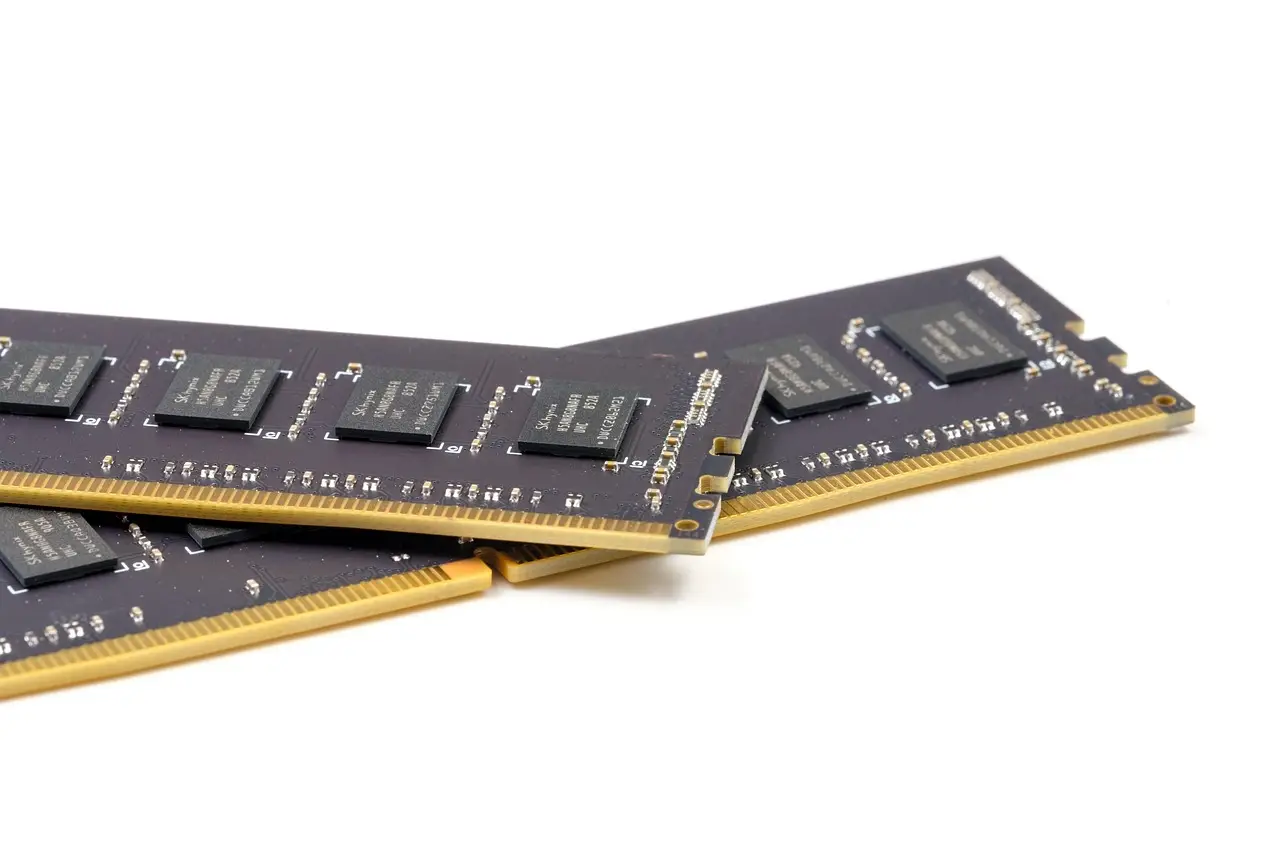
High-bandwidth memory will take 23% of DRAM wafer input at Samsung, SK hynix and Micron in 2026 and nearly 30% in 2027, TrendForce told a November 18 briefing in Seoul. A shortage tracker summarized by Futu News puts HBM supply at roughly 58% of estimated first-quarter demand as of November 21, 2026. HBM is now the force that decides who gets memory and who waits.
The wafer math explains why. HBM (memory stacks built from several DRAM dies linked vertically and mounted beside an AI accelerator) needs three to four times the wafer capacity of general-purpose DRAM. Every wafer that becomes an AI memory stack never becomes DDR5. TrendForce expects conventional DRAM contract prices to rise 10% to 15% quarter over quarter in Q4 2026.
What does this change for buyers?
Longer lead times, higher prices, more allocation. SK hynix says its HBM and related DRAM are sold out through 2029. Micron reportedly covers only half to two-thirds of customer demand. Samsung is pouring money into packaging capacity to catch up.
SK Group Chairman Chey Tae-won put it plainly: "AI actually wants to have a lot of HBM, and once you make the HBM, we have to use a lot of wafers." He added, "The current shortage could continue until 2030."
SK hynix CEO Kwak Noh-jung went further in comments carried by Euronext: "Our customer demand continues to go up, while our capacity has limitations." He forecast demand above supply "even beyond 2030." Kim Ki-tae, the company's HBM sales chief, told the Korea Herald: "Customers are requesting more than twice the volume we can supply."
The numbers behind the shortage
- HBM share of top-three DRAM wafer input: 23% in 2026, nearly 30% in 2027 (TrendForce)
- HBM4 price: at least $2.05 per gigabit in 2026; $3.00 to $5.50 in 2027 — an implied multiple of 1.46x to 2.68x
- Conventional DRAM contract prices: up 10% to 15% quarter over quarter in Q4 2026
- HBM wafer intensity: 3 to 4 times standard DRAM
Adding HBM output means adding stacking and packaging lines, qualifying each stack with each customer, and carving wafers out of lines that used to serve phones and PCs. None of that happens in a quarter. The shortage is structural, not an inventory blip.
Supplier standings shift
Counterpoint Research figures reported by Aju Press put SK hynix at 50% of Q2 2026 HBM revenue, down from 64% a year earlier. Samsung rose to 33% from 15%; Micron held about 18%. Samsung's HBM4 revenue more than tripled from the prior quarter in Q3 and made up about 60% of its HBM revenue. A falling share for SK hynix doesn't mean falling sales — the leader is growing slower than the challengers while all three grow.
SK hynix posted KRW 104.62 trillion revenue and KRW 83.33 trillion operating profit in Q3, an operating margin near 80%, with DRAM average selling prices up in the high-20% range from the prior quarter. HBM4 mass production began in Q3, and the company expects HBM4 to exceed HBM3E in shipments and revenue in Q4 — the first quarter the newer generation leads. Chosun Biz reported HBM4 yields topping 70%, though the company did not confirm the figure.
Samsung broke ground in November on an advanced packaging complex at Onyang aimed at HBM4E. Chosun Biz reported KRW 56 trillion; TrendForce's summary cited KRW 46 trillion with five lines. Both agree operations moved up a year, to 2028. Samsung reshuffled leadership on November 20, elevating executives running HBM and Galaxy.
Micron says it is in high-volume production of HBM4 designed for Nvidia's Vera Rubin platform and moved first equipment into a Singapore packaging facility. Nvidia anchors HBM4 demand; AMD is also raising purchases, per a TrendForce bulletin from November 19.
Conventional DRAM pays the bill
Spot prices dipped briefly in late October and early November — down 2.1% for DDR5 chips, 4.1% for DDR4 and 6.47% for 32 GB DDR5 server modules — but cautious buyers, not easing supply, explain the dip. Distributors TD Synnex, Arrow and Adistec expect allocation pressure to continue, and one report cited CoWoS packaging price increases of up to 20% at TSMC.
Phone makers buy LPDDR from the same three suppliers; India's smartphone shipments fell in Q3 partly on memory costs. Valve's Steam Deck 2 wait is traced partly to memory economics. Korea's chip exports approach half the economy in a year heading for its first trillion-dollar export mark.
Risks run both ways. Samsung, SK hynix and Micron failed to get a DRAM antitrust suit dismissed; no verdict exists. And analysts flag 2028, when Onyang, new fabs and China's CXMT capacity could land together — possibly flipping shortage into glut.
via shattered.io (Source)
More from Grace Kim
Show full bio
Market editor covering regulation, policy and their impact on hardware layer of artificial intelligence at Die Signal.
749 articles