Test report DSG-4004 · Rev C · tested November 12, 2026
Memory & StorageDevice under test
DRAM Revenue Hits Nearly $200B in Q3 2026, Up 369% Year Over Year
Counterpoint reports Q3 2026 DRAM revenue near $200 billion, up 369% year over year, with bit shipments up just 4%. DDR5 contract prices rose from $8.70 to $48 in eleven months.
- Read
- 5 min
- Words
- 974
- Node
- 5nm
- Operator
- Elena Vasquez
Spec summary
- Global DRAM revenue reached nearly $200 billion in Q3 2026, up 369% year over year (Counterpoint Research).
- 16Gb DDR5 contract prices rose from $8.70 in October 2025 to $48 in September 2026, a jump above 450%.
- DRAM bit shipments grew only about 4% year over year; the blended ASP hit $1.90 per gigabit.
- Major new fab capacity is not expected before 2028, per reports on Counterpoint's findings.
- Samsung held the No. 1 spot with a 38% revenue share, while SK hynix gained ground.
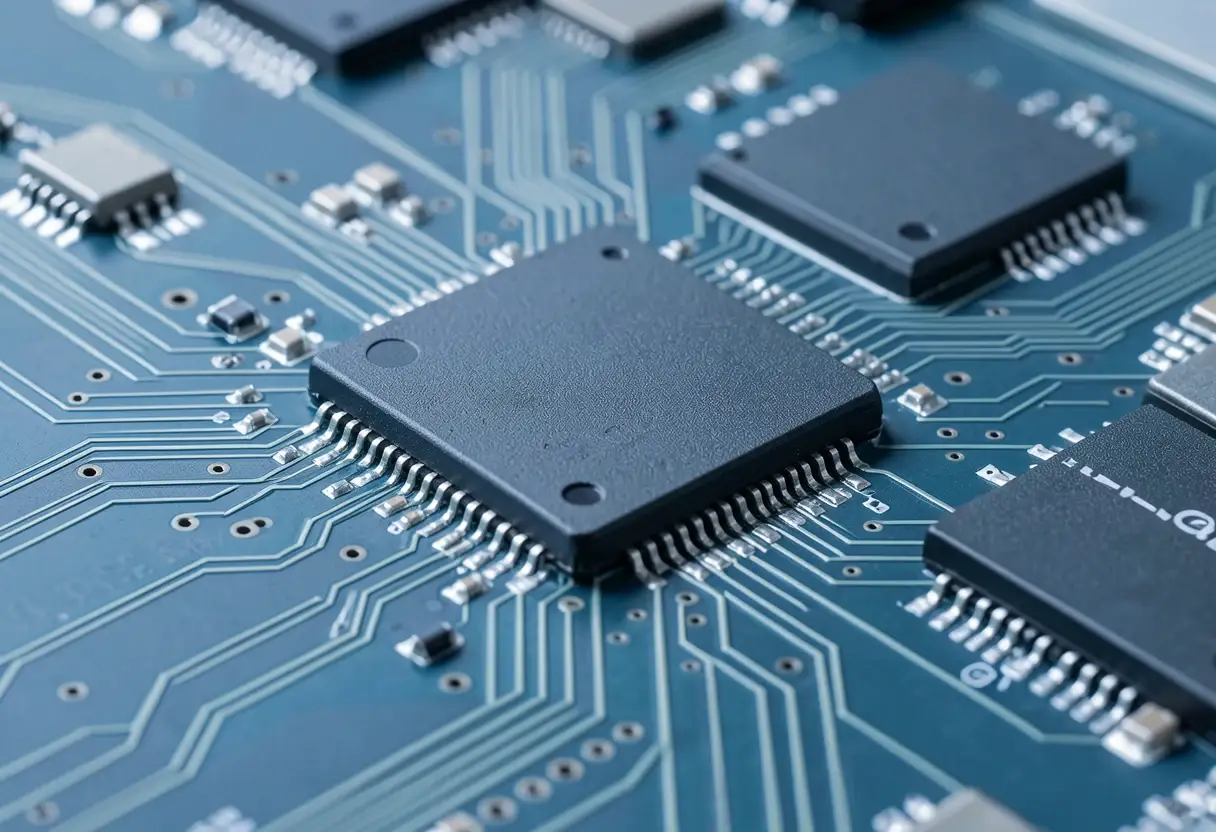
Global DRAM revenue reached nearly $200 billion in Q3 2026, up 369% year over year, according to Counterpoint Research. The firm tied the jump mainly to higher memory prices, not to a flood of extra chips. Bit shipments grew only about 4% over the same period, and the blended average selling price hit $1.90 per gigabit.
That combination tells you what changed: customers paid several times more for roughly the same amount of memory. Counterpoint calls the period a super-cycle, a label that fits when revenue grows many times faster than units.
What does the 369% figure actually measure?
Headlines compressed the number. TechRadar ran the story with wording suggesting memory prices skyrocketed on AI data center demand, and readers could easily conclude a stick of RAM now costs 4.7 times what it did a year ago. The data doesn't support that as a blanket claim. Counterpoint measured industry revenue, which blends price, volume and product mix across servers, phones, PCs and accelerators.
Simple arithmetic shows where the gain came from. A 369% increase means revenue ran at 4.69 times its year-ago level — implying a Q3 2025 base near $42 billion to $43 billion, an estimate derived from the reported figures. Divide out the 1.04-times volume growth and revenue per bit jumped roughly 4.5 times. This was a pricing cycle, not a volume cycle.
The sharpest single data point comes from Fortune, cited by TechRadar: a 16Gb DDR5 chip carried a contract price of $8.70 in October 2025 and reached $48 by September 2026. That's more than 450%, about 5.5 times the starting price, in eleven months.
Contract prices matter more than retail listings because they set the cost base for server builders, PC brands and phone makers. When the contract price moves 5.5 times, every downstream product feels the pressure even if shelf prices lag.
Who's winning the supplier race?
A market that quadruples in revenue while volume barely moves hands suppliers a windfall. Counterpoint's report says Samsung kept the No. 1 spot with a 38% share, and SK hynix gained ground. There's no verified breakdown of individual makers' results or margins yet.
Industry structure explains the pricing power. A handful of companies produce nearly all DRAM, and each new fab costs billions and takes years to reach volume. Reports on the Counterpoint data say long-term supply agreements are holding prices up, and major new fab capacity isn't expected before 2028. Buyers who skip those agreements take spot-market risk.
Where do prices go next?
TrendForce projected conventional DRAM contract prices up 13% to 18% quarter over quarter in Q3 2026, with NAND flash up 10% to 15%. Dell'Oro Group takes the longer view: server DRAM ASPs near $10 per GB in 2026, easing toward about $5 per GB by 2030 — a halving over four years, from a very high starting point.
One caution on definitions: Counterpoint's $1.90 per gigabit is a blended ASP across all DRAM, while Dell'Oro's figures describe server memory. The direction, though, is consistent. Near-term quarters point up, and relief only comes when new supply arrives.
Who pays at the consumer end?
Every dollar of extra memory cost lands somewhere. PC makers have limited options: raise prices, trim memory configurations, or absorb the cost and accept thinner margins. BizTech Magazine reported this month on how PC makers are adapting to the new market. Phone makers face the same squeeze, with mobile memory caught up in the AI-driven wave — meaning handset brands choose between higher sticker prices and lower default RAM or storage on mid-range models.
Tom's Hardware added a counterpoint in its own coverage: the memory price surge begins to cool as consumers hit an affordability limit, while AI demand still keeps DRAM and NAND prices climbing through Q3 2026. Two forces pull against each other. Servers will pay almost anything, and shoppers won't. If consumer demand softens while AI demand holds, suppliers will favor data center customers with the largest, longest contracts, and the consumer segment becomes a residual market.
What does it mean for AI workloads?
For AI labs, memory has shifted from a footnote to a headline cost. Clusters need HBM on the package and large DDR5 pools in host servers, so higher memory prices raise the cost of every training run and every served token.
OpenAI CEO Sam Altman addressed the scarcity directly. "It's quite terrible to have everybody, like, have a bunch of the world's limited supply of DRAM sitting in their computer and being used 5% of the time," he said in an interview reported by Yahoo Tech. The Verge quoted him adding: "You want maximum utilization in the cloud if you're trying to deal with this very supply constrained environment." He also pointed the other way on open-source models, saying, "We're going to be able to run them on our computers." Worth weighing with the speaker's role in mind, since Altman leads a company built around cloud-served AI.
Why history still counsels caution
Memory has a long boom-and-bust reputation: prices rise, suppliers add capacity, oversupply drags everything down. NPR, Deloitte Insights and CSIS — which titled a recent piece "Beyond the Memory Cycle" — all frame this run as more than a routine upswing, with AI and HBM demand at the root. The 2028 fab timeline pushes supply relief well into the future, but buyers assuming prices stay elevated forever have often been wrong in this industry. Dell'Oro's halving-by-2030 forecast fits the older pattern.
The takeaway for practitioners: budget for hardware at current prices, not last year's quotes, and expect memory efficiency to shape model design as much as benchmark races do.
via shattered.io (Source)
More from Elena Vasquez
Show full bio
Senior reporter covering people, launches and day-to-day practice in hardware layer of artificial intelligence at Die Signal.
589 articles
Same lot · LOT-3628
- DSG-63223nmDRAM revenue up 369% to near $200bn in Q3 2026 on AI demand
- DSG-73163nmMicron DRAM Revenue Climbed 343% Year Over Year
- DSG-659128nmSamsung Targets $80B Quarterly Profit as Memory Prices Bite
- DSG-21767nmDRAM and NAND Prices Rise 660% Year-Over-Year, Bernstein Data Shows
- DSG-356110nmEx-Samsung Chip Executive: China DRAM Push Could End 414% DDR5 Price Spike