Test report · tested November 19, 2026
Memory & StorageDevice under test
HBM4 Prices to Jump Up to 2.7-Fold in 2026, TrendForce Says
TrendForce forecasts HBM4 at $3-$5.5 per gigabit in 2026, up from $2.05, as Samsung and SK hynix shift 30% of DRAM wafers to HBM and conventional memory prices climb.
- Read
- 3 min
- Words
- 612
- Segment
- Memory & Storage
- Operator
- Priya Raman
Spec summary
- HBM4 prices will reach $3-$5.5 per gigabit in 2026, up to 2.7 times this year's $2.05, TrendForce said on Nov. 18.
- HBM will approach 30% of DRAM wafer input at Samsung, SK hynix and Micron in 2026, up from 23% in 2025.
- Conventional DRAM ASP is forecast to rise 10-15% in Q4 2025, then 5-10% in Q1 2026.
- CXMT capacity will grow only 20% in 2026, to 36,000 wafers per month from 30,000.
- Samsung's Pyeongtaek P5 adds two phases of 200,000 wafers/month each; SK hynix plans 300,000 at Yongin.
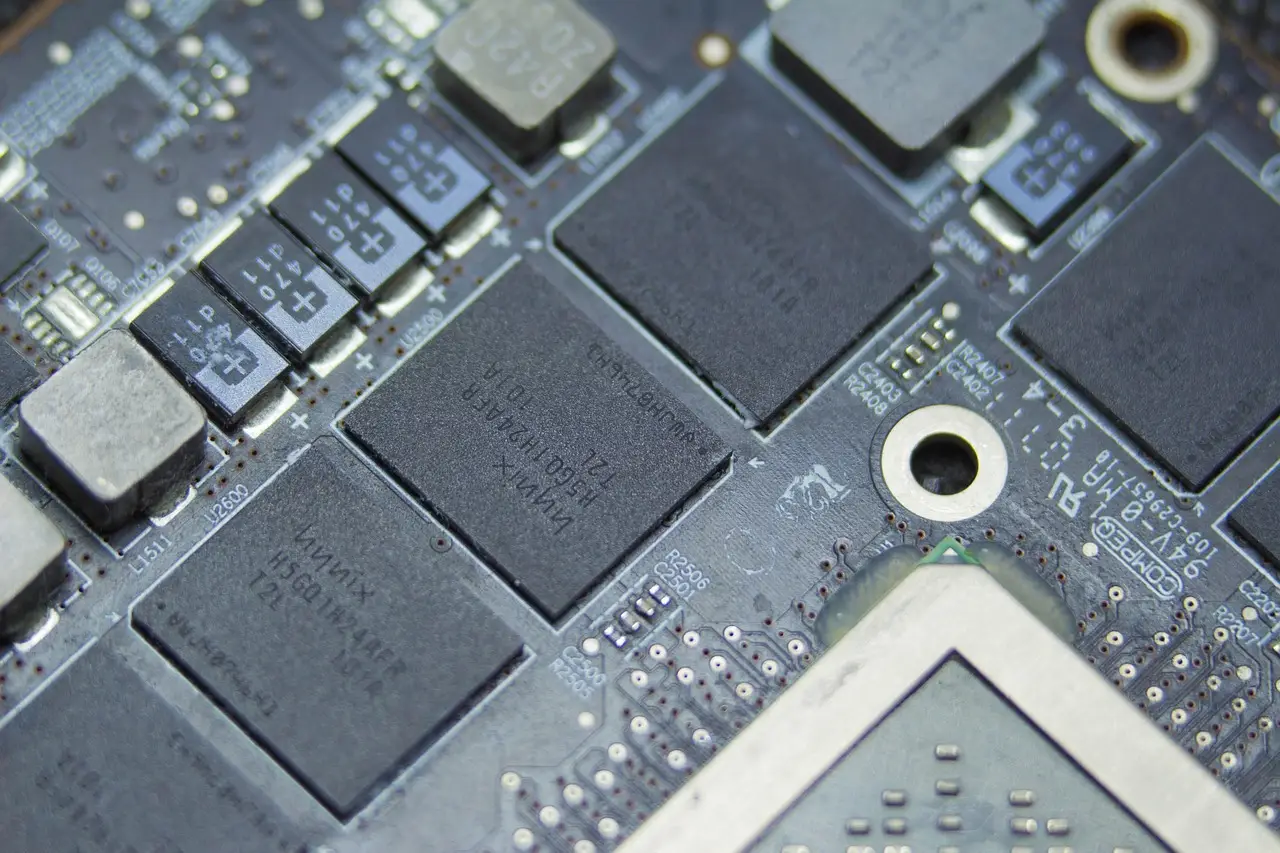
Prices for HBM4 (high-bandwidth memory, the stacked DRAM used in AI accelerators) will rise as much as 2.7-fold next year, TrendForce said on Nov. 18. The forecast landed at the firm's 2026 Roadshow Korea, held at the Oakwood Premier Coex Center in Seoul's Gangnam district.
The numbers are specific. HBM4, the sixth generation of the technology, will trade at $3 to $5.5 per gigabit next year. This year's price sits at $2.05 per gigabit. The upper end of the range is 2.7 times that figure; the lower end is 1.5 times. TrendForce did not explain what conditions would push prices toward either bound. That gap matters. It spans an 83% difference in outcome for buyers.
Talks on HBM4E, the seventh generation, are already underway. Terms exceed $5 per gigabit. TrendForce expects pricing to firm up in the first half of next year. No volume commitments were disclosed.
How much wafer capacity does HBM consume?
Samsung Electronics (005930.KS) and SK hynix (000660.KS) will devote roughly 30% of their total DRAM wafer input to HBM production. Across the three global memory makers — Samsung, SK hynix and Micron Technology — HBM's share of DRAM wafer input will approach 30% next year, up from 23% this year.
The physics of the product drives the squeeze. HBM requires roughly three to four times more wafers than conventional DRAM to deliver the same capacity. Every wafer shifted to HBM removes supply from the server and PC memory market. Conventional DRAM, in other words, pays the bill for AI memory demand.
What happens to conventional DRAM prices?
TrendForce expects sequential price increases through next year:
- Q4 2025: average selling price up 10% to 15% quarter-on-quarter
- Q1 2026: further gains of 5% to 10%
- Q2 2026: gains of 3% to 8%
- Q3 and Q4 2026: growth slowing to zero to 5%
The deceleration is the notable part. TrendForce implies the steepest pain arrives now, not later. The forecast carries no explicit downside scenario if AI demand softens. Buyers planning annual budgets should note that omission.
Can China's CXMT close the gap?
Not next year, according to the forecast. Capacity at CXMT (ChangXin Memory Technologies, China's largest DRAM maker) will grow only 20%, to 36,000 wafers a month from 30,000. U.S. export controls have made it harder for Chinese firms to secure high-performance graphics processing units, TrendForce said. That constraint limits their investment in AI infrastructure and, by extension, their demand case for aggressive HBM entry.
The gap between Korean and Chinese producers in the HBM market will hold, the firm concluded. CXMT is pursuing additional expansion of 100,000 to 200,000 wafers a month after 2028. TrendForce cites 2028 as the year the DRAM supply landscape could shift. Until then, the three incumbents face limited pressure from that direction.
What capacity is coming online?
Ellie Wang, senior research manager at TrendForce, gave two figures. "Samsung Electronics' Pyeongtaek P5 plant is set to be built in two phases, each with capacity of 200,000 wafers a month," she said. "SK hynix is also planning to add 300,000 wafers a month of capacity at its Yongin semiconductor cluster."
Those additions total up to 700,000 wafers a month if fully built. For scale, that equals nearly twenty CXMTs at CXMT's projected 2026 size. No timelines for the phases were given. TrendForce also did not state how much of the new capacity would serve HBM rather than conventional DRAM. The forecast promises supply growth without specifying its product mix. Buyers should treat the 2028 inflection point as directional, not settled.
via en.sedaily.com (Source)
More from Priya Raman
Show full bio
Correspondent covering money, funding and market shifts around hardware layer of artificial intelligence at Die Signal.
731 articles