Test report · tested November 19, 2026
Memory & StorageDevice under test
NAND Spot Prices Fall 20% as DDR5 Stays Up 150%: Memory Market Splits
NAND spot prices dropped ~20% since mid-October while 16Gb DDR5 holds at $60.20, up 150% YoY. Bank of America sees DRAM contracts rising 8% in Q4 2026 as flash heads toward oversupply.
- Read
- 4 min
- Words
- 716
- Segment
- Memory & Storage
- Operator
- Elena Vasquez
Spec summary
- NAND spot prices fell about 20% since mid-October 2026; 512Gb wafers at $14.30, down 32% QoQ
- 16Gb DDR5 spot at ~$60.20 on Nov. 13, flat WoW but up 150% YoY
- Bank of America forecasts DRAM contracts +8% in Q4 2026 and +5% in Q1 2027; NAND ASPs to decline low single digits in Q1 2027
- Enterprise SSDs reached 48% of NAND bit shipments in Q2 2026, up from 26% a year earlier
- SK hynix Q3 revenue 104.6 trillion won; long-term deals cover over 50% of its 2027-2028 capacity
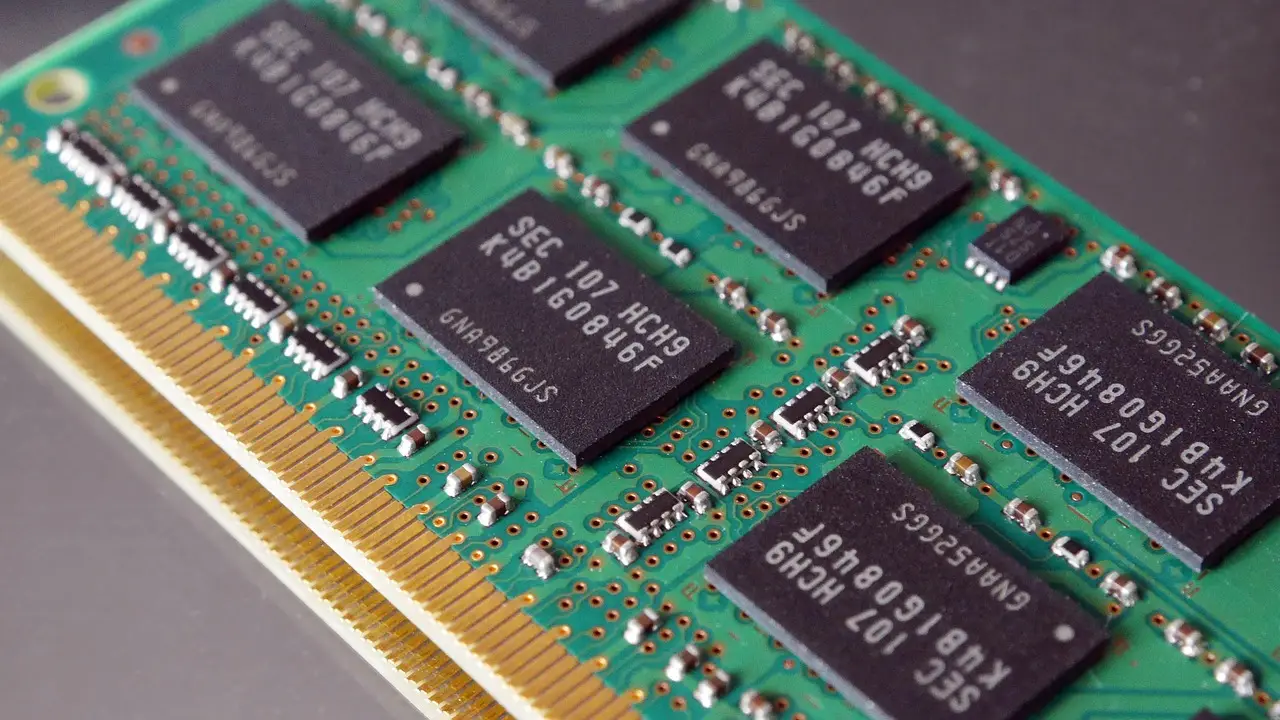
NAND flash spot prices have fallen roughly 20% since mid-October, while 16Gb DDR5 spot pricing sits at about $60.20 — up 150% year over year. Bank of America data reported on November 18 confirms the memory market has split in two: DRAM stays tight and expensive, consumer flash is getting cheaper.
The confirmed numbers tell the story. A 512Gb NAND wafer trades at $14.30, down 32% from the prior quarter, and a 1Tb wafer at $24.90, down 19%. Even so, 512Gb wafers still cost 121% more than a year ago — this is a correction from a peak, not a return to cheap flash. TrendForce reported on November 18 that the gap between NAND spot and contract prices now exceeds 20%, a signal that contract cuts typically follow one or two quarters later.
What does the divergence mean for buyers?
The answer differs by component. Memory buyers face the greater near-term risk, because Bank of America forecasts DRAM contract prices up roughly 8% quarter over quarter in Q4 2026 and another 5% in Q1 2027. SSD buyers have better odds of relief, though spot declines don't reach store shelves overnight — a retail drive carries controller, cache, packaging and margin on top of the flash. Bank of America reportedly expects consumer NAND prices to fall another 5-10% in Q1 2027, with visible discounts on mainstream drives by early 2027.
One caution: the November 9, 16 and 18 figures in circulation measure different things. Spot wafer quotes, contract averages and shelf prices move on different clocks.
Why is DRAM still climbing?
AI is reallocating capacity, not just squeezing it. Samsung said on October 29 that server demand lifted prices across applications and it plans to raise supply of high-speed server DDR5. SK hynix is expanding sixth-generation 10nm-class 1c DRAM, server DDR5 and LPDDR5 SOCAMM modules for AI servers, and long-term agreements already cover more than 50% of its total capacity for 2027 and 2028.
Capacity commitments lock the pattern in. SK hynix announced a 54 trillion won investment on August 7 in its Yongin Y2 and Cheongju M17 sites as a medium- to long-term base for AI memory. A headline in its Q3 results says the memory shortage will persist through 2030 — a supplier statement, not consensus, but it sets the tone for how the fabs will run.
Why did consumer NAND crack?
Weak demand and full warehouses, not supply growth. TrendForce's November 18 spot update said channel destocking widened the spot-contract gap, with sellers cutting prices to clear stock and cautious buyers staying away. TrendForce reportedly expects weaker Chinese cloud orders, spec downgrades and capacity additions to push NAND into oversupply in 2027, with contract declines starting in Q2 — one quarter earlier than it previously thought.
Silicon Motion, which makes SSD controllers, said NAND makers are prioritizing high-capacity enterprise SSDs and pulling back from PC, mobile, IoT and automotive segments. Its Q3 controller sales rose 20-25% quarter over quarter, up 55-60% year over year.
Record quarters, built on server memory
SK hynix posted its first quarter above 100 trillion won in sales: 104.6155 trillion won revenue and 83.3338 trillion won operating profit. Samsung called its memory business a record quarter with significantly higher HBM4 sales. Micron's fiscal Q4 revenue hit $54.23 billion against $11.32 billion a year earlier, with GAAP net income of $37.70 billion.
The enterprise side explains the paradox. TrendForce reportedly expects enterprise SSD contract prices to rise 15-20% in Q4, and enterprise SSDs made up 48% of NAND bit shipments in Q2 2026 versus 26% a year earlier, per Seoul Economic Daily. A soft phone and PC market no longer drags the industry down when data centers take nearly half the output.
What changed since January?
TrendForce's January 5 forecasts — conventional DRAM contracts up 55-60% QoQ, NAND up 33-38%, server DRAM up over 60% — now read as a record of the peak. DRAM growth has slowed to single digits but not reversed; consumer NAND has reversed on spot and should follow in contracts by early or mid-2027.
The practical read: buy RAM when you need it — no confirmed turn exists. For storage, patience looks like the better bet.
via shattered.io (Source)
More from Elena Vasquez
Show full bio
Senior reporter covering people, launches and day-to-day practice in hardware layer of artificial intelligence at Die Signal.
757 articles
Same lot
- Samsung, SK hynix DRAM contract prices forecast to jump 40% in 2027
- Samsung Commits 70% of Memory Capacity Through 2031
- NAND Spot Prices Fall 20% as BofA Forecasts Another 5%-10% Drop
- DDR4 Spot Price Slips 0.09% as Buyers Wait for Deeper Declines
- DRAM and NAND Prices Rise 660% Year-Over-Year, Bernstein Data Shows