Test report DSG-7460 · Rev A · tested November 18, 2026
Memory & StorageDevice under test
Consumer NAND Spot Prices Drop 20% in a Month, Signaling Cheaper SSDs
Consumer NAND spot prices dropped 20% in a month; 512 Gb wafers fell 32% to $14.30. Bank of America sees 5-10% contract declines by Q1 2027 as demand slumps and YMTC gains share.
- Read
- 3 min
- Words
- 541
- Node
- 45nm
- Operator
- Amara Osei
Spec summary
- Consumer NAND spot prices fell 20% in the past month, per Seoul Economic Daily.
- 512 Gb NAND wafers dropped 32% to $14.30; 1 Tb wafers fell 19% to $24.90.
- Phone shipments fell 20% year-on-year; PC shipments fell 22.5%, per Gartner.
- Bank of America expects 5-10% consumer NAND contract price declines in Q1 2027.
- YMTC took 14% of the NAND market from major players in Q2 this year.
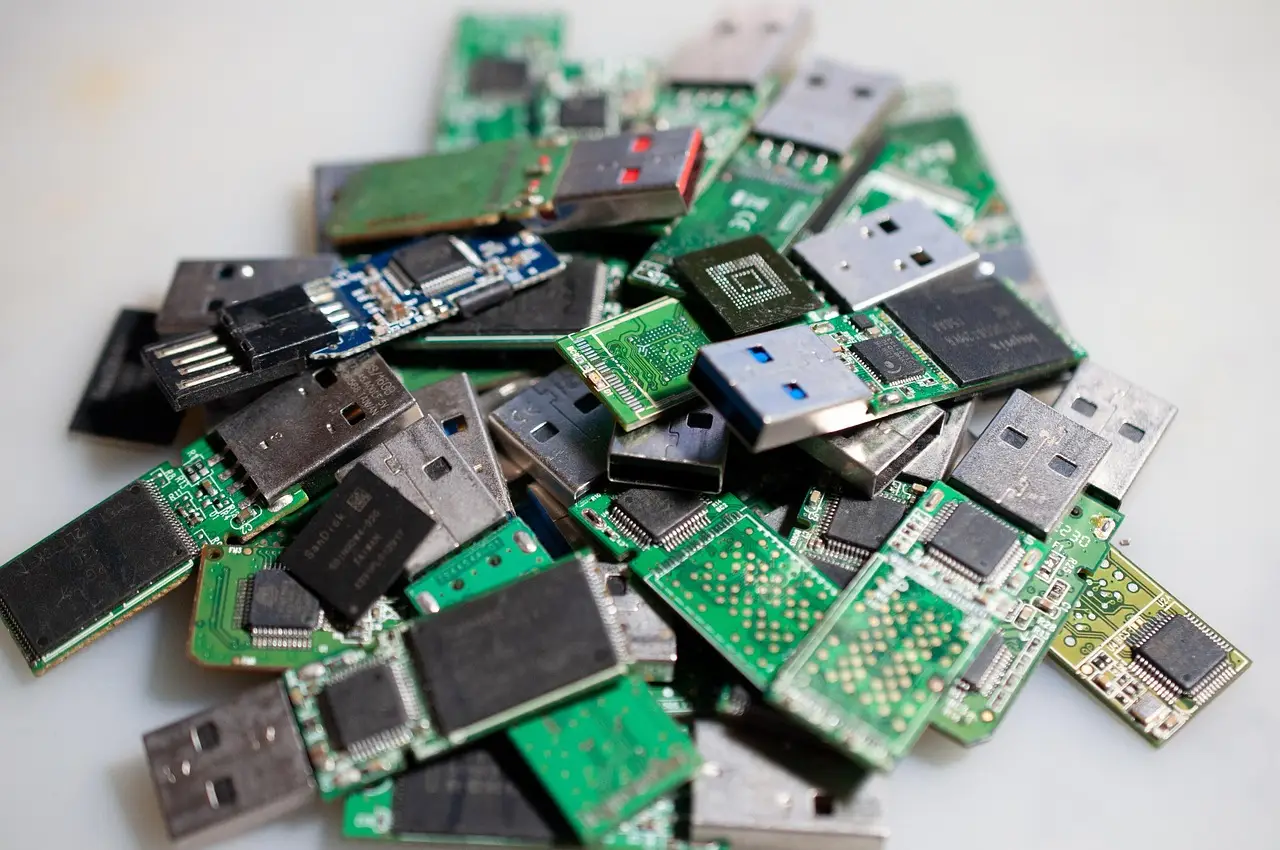
Spot prices for consumer NAND chips fell 20% over the past month, and Bank of America expects contract prices for PC and smartphone flash to drop 5% to 10% in the first quarter of 2027. Those are the core numbers in a new report from Seoul Economic Daily (SED), which draws on a Bank of America note dated November 13. If the correction holds, SSDs, laptops, phones and tablets could get cheaper over the coming quarters.
What do the numbers show?
SED reports the specific wafer-level figures from the Bank of America note:
- 512 Gb NAND wafers fell 32% on the spot market, to $14.30 apiece.
- 1 Tb wafers fell 19%, to $24.90.
- Overall consumer NAND spot pricing dropped 20% in a single month.
The direction is unambiguous. SED quotes one industry source stating: "NAND cannot sustain the steep price gains seen so far." The correction, in plain words, is already underway at the spot level.
Why are prices falling?
Demand has collapsed. SED attributes the decline to buyers delaying upgrades after two years of rising prices across SSDs, phones, laptops and tablets. The shipment data behind that hesitation:
- Phone shipments fell 20% year-on-year, posting the lowest third-quarter volumes in 14 years.
- PC shipments fell 22.5% year-on-year, according to Gartner.
With device makers letting existing stock drain and presumably holding short-term NAND inventories, new fab shipments onto the spot market have sold at lower prices. The short-term market is absorbing supply that a weaker consumer base no longer pulls through finished products.
The declines may seem at odds with enterprise SSD prices rising by the day, but the two segments are diverging for structural reasons.
What about the AI demand shift?
Memory makers have redirected output toward AI workloads. DDR5 capacity has converted to HBM production at a steady pace, because parts of the manufacturing process are shared between the two types. That conversion squeezes consumer RAM supply directly.
NAND behaves differently. According to the Bank of America note SED cites, high-density flash now sits at around 300 layers, and producing it requires substantially different tooling than the lower-grade silicon used in consumer products. AI data centers' growing NAND demand therefore does not translate into reduced consumer supply — consumer-grade lines cannot simply pivot to enterprise-grade flash.
How does Chinese supply change the picture?
YMTC is adding downward pressure. SED reports that the Chinese NAND maker took a 14% share from major players in the NAND market in the second quarter of this year alone. That added volume compounds the demand-side weakness and pushes spot prices lower.
What happens next?
Bank of America, per SED, expects consumer NAND contract prices for PCs and smartphones to fall 5% to 10% in Q1 2027, while enterprise NAND contract prices hold more or less steady.
Whether those declines reach retail prices for SSDs and finished devices remains to be seen. Products containing these chips take time to reach the market, and contract prices move slower than spot. But in an AI supply crunch that has inflated component costs across the board, any measured relief counts.
Cheaper NAND is now on the forecast; cheaper devices will take longer to arrive.
via tomshardware.com (Source)
More from Amara Osei
Show full bio
Staff writer covering money, funding and market shifts around hardware layer of artificial intelligence at Die Signal.
698 articles
Same lot · LOT-362E
- DSG-200610nmCommodity NAND Prices Slide While AI Data Center Supply Stays Tight
- DSG-138928nmNAND Spot Prices Fall 20% as BofA Forecasts Another 5%-10% Drop
- DSG-413028nmSamsung, SK hynix NAND Profits Projected to Surge Up to 40-Fold
- DSG-577145nmNAND Prices Down 20% Since October, BofA Note Sinks Korean Chip Stocks
- DSG-659128nmSamsung Targets $80B Quarterly Profit as Memory Prices Bite