Test report DSG-4741 · Rev D · tested November 17, 2026
AI Devices & SystemsDevice under test
Switch 2 dump reportedly lists DLSS 4 Transformer preset
A November 16, 2026 dump maps Preset K to Switch 2 Ultra Quality and identifies a DLSS 4 Transformer, but Nintendo, NVIDIA and benchmark data have not confirmed real-world use.
- Read
- 5 min
- Words
- 908
- Node
- 10nm
- Operator
- Elena Vasquez
Spec summary
- November 16, 2026: Three outlets reported a Switch 2 dump listing Preset K for Ultra Quality.
- The reported map uses three presets across six DLSS modes: K for Ultra Quality, E for three modes and F for two.
- Digital Foundry relayed an anonymous developer's claim that a lighter implementation needs approximately half the processing time of another.
- DLSS 4.5 was absent from the examined firmware snapshot; no later addition has been confirmed.
- System Update 23.5.0 reportedly closed a jailbreak after 19 days; no source links that event to the dump.
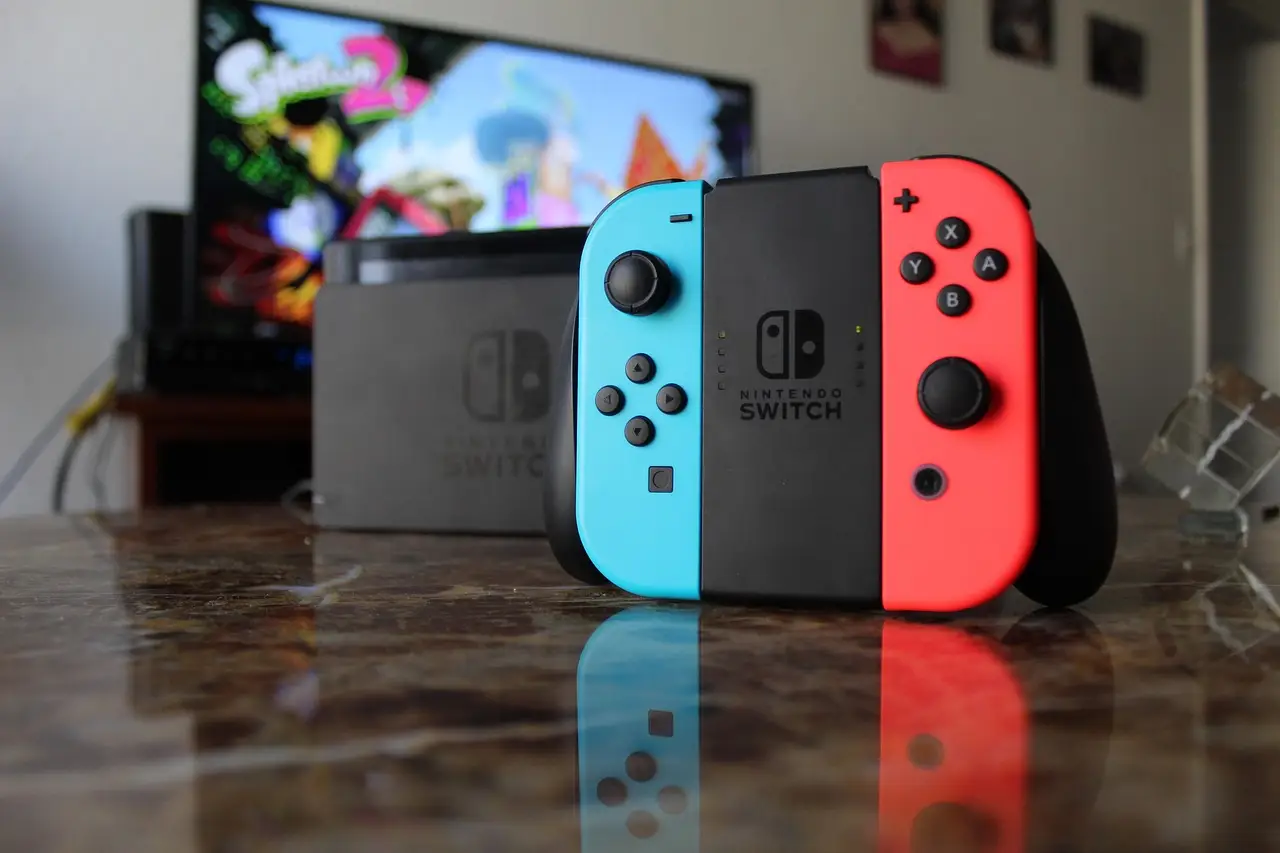
By Elena Vasquez
A firmware-and-model dump reported on November 16, 2026, assigns NVIDIA's first-generation DLSS 4 Transformer as Preset K for Nintendo Switch 2's Ultra Quality mode. The finding remains reported rather than confirmed by Nintendo or NVIDIA, and no running-game benchmark shows whether developers can afford it.
What does the dump establish?
NVIDIA has confirmed that the Switch 2's custom chip supports DLSS and ray tracing. It has not named the model generation or disclosed how much of the Transformer Nintendo enabled.
The dump maps six modes to three presets:
- Ultra Quality: Preset K, identified as first-generation DLSS 4 Transformer.
- Quality, Balanced and Performance: Preset E, not labeled in coverage.
- DLAA and Ultra Performance: Preset F, not labeled in coverage.
These are mode defaults, not confirmed per-game selections. VideoCardz stressed that they do not necessarily reflect the models individual Switch 2 games use; developers can override a default or omit a mode.
Wccftech, VideoCardz and Game*Spark covered the dump around November 16. Neither Nintendo nor NVIDIA has responded, and no named company representative appears in the reviewed coverage.
Can Switch 2 afford the Transformer?
DLSS began with convolutional neural network upscalers on desktop RTX cards; DLSS 4 added the Transformer. Wccftech says the Transformer improves image quality over the CNN model on desktop but carries a “higher performance cost.”
Desktop GPUs can absorb that overhead through spare tensor-core throughput. No source measures the cost on Switch 2 hardware, leaving Wccftech's claims that games will avoid it and that it exceeds the console's specifications unconfirmed.
Digital Foundry cited an unnamed developer who said a lighter implementation needs “approximately half the processing time” of another. The report does not identify the two models, and no test ties that comparison to Preset K.
This is the coverage's only quantitative performance claim. VideoCardz says the dump also contains Switch-specific custom lite presets beside desktop entries; no direct test links them to the anonymous comparison.
On a handheld, upscaling must fit the game's frame-time budget and preserve battery headroom. A first-party title locked to 30 fps could spend more upscaling time than a fast action game, though the reporting neither confirms nor rules that out.
Only Ultra Quality carries the Transformer label, a higher-fidelity mode with relatively high internal resolution. Performance and Ultra Performance use E or F, which suggests the Transformer would serve games with more frame time to spare.
Does a firmware entry prove game support?
No. A studio chooses a target resolution and frame rate, then selects the upscaler that fits. No source reports running-game inspection or confirms Transformer weights in a shipped title.
Verification would require frame-time traces from software on the console. Until then, claims that no game uses Preset K remain probabilities rather than findings.
The 2027 release schedule will provide a practical test. Demanding ports have the most to gain from improved output, while action-heavy titles may have less performance headroom.
What does the missing DLSS 4.5 mean?
Reports say the examined files did not contain DLSS 4.5. That describes one firmware snapshot, not Nintendo's roadmap: later updates can add models, and NVIDIA has shipped new DLSS versions to PC games through drivers and libraries.
No source says Nintendo follows NVIDIA's PC schedule or plans to add DLSS 4.5. Public terms of their agreement are unavailable, limiting claims about hardware support.
What changes for developers and publishers?
A fixed custom chip gives studios one performance target, unlike Steam Deck and ROG Xbox Ally, whose results vary by model, driver and power setting. One test can therefore inform every Switch 2 owner.
The Switch 2 is one of the few handhelds built around NVIDIA's upscaling path. No benchmark compares its output with those rivals, so any image-quality ranking would remain opinion. The fixed architecture also makes a heavy preset easier to rule out across the installed base.
Developers gain a clearer menu of options, publishers a possible porting lever and players no confirmed visual benefit. No sales data connects the dump to market performance.
Nintendo's preference for efficient hardware that prioritizes battery life and thermals over peak image quality makes an unused Transformer plausible. Earlier Digital Foundry reporting suggested multiple implementations, while the dump supplies only a firmware reference.
Modders may try enabling Preset K, but that prospect remains speculative and raises legal and security issues. System Update 23.5.0 reportedly closed a Switch 2 jailbreak after 19 days, limiting firmware access; no source links that event to the dump.
What should readers watch next?
Five analytical predictions follow from the evidence:
- Most games use lighter upscaling through 2027, with Transformer rarely appearing.
- Modders test Preset K within weeks, but early clips need frame-time data.
- Nintendo stays silent on chip-level details.
- DLSS 4.5 arrives, if at all, through a system update.
- Reporting shifts from preset labels to measured frame times.
Four signals would settle the main questions: a named Nintendo, NVIDIA or developer statement; a measured Transformer frame-time cost; a firmware model-list change; or a shipped game visibly using Preset K.
The practical filter is simple: file claims can be checked against the dump, while game-behavior claims require running-software analysis. DLSS 4 support remains a reported capability; the claim that Transformer upscaling stays unused remains an unconfirmed forecast.
via shattered.io (Source)
More from Elena Vasquez
Show full bio
Senior reporter covering people, launches and day-to-day practice in hardware layer of artificial intelligence at Die Signal.
675 articles
Same lot · LOT-362D
- DSG-903914nmNVIDIA Cuts Rubin Memory and NVLink Specs as First Hardware Ships
- DSG-29493nmSK hynix, Samsung push 16-layer HBM4 as NVIDIA Rubin favors 12-layer
- DSG-847310nmHBM4 Demand Holds Firm As Nvidia's Rubin Keeps 12 Layers
- DSG-835020nmSamsung HBM4E clears qualification at Nvidia, hyperscalers
- DSG-372865nmNVIDIA to Detail Spectrum-XGS Networking Tonight at OCP Summit