Test report DSG-6971 · Rev D · tested November 16, 2026
AI Devices & SystemsDevice under test
Tesla Puts €3 Billion Price Tag on Cybercab Plant Near Berlin
Tesla plans a €3 billion ($3.31 billion) Cybercab plant at Grünheide near Berlin, targeting up to 1 million units of capacity with construction from 2027 and production in 2029.
- Read
- 3 min
- Words
- 671
- Node
- 20nm
- Operator
- Marcus Bennett
Spec summary
- Tesla plans a €3 billion ($3.31 billion) Cybercab production building at Grünheide near Berlin
- Planned capacity is up to 1 million Cybercabs, a ceiling rather than a sales forecast
- Construction is scheduled to start in the first half of 2027, with production in 2029
- Tesla said it would file the building-permit application before the end of 2026
- The €3 billion includes ancillary buildings and an additional wastewater-treatment plant
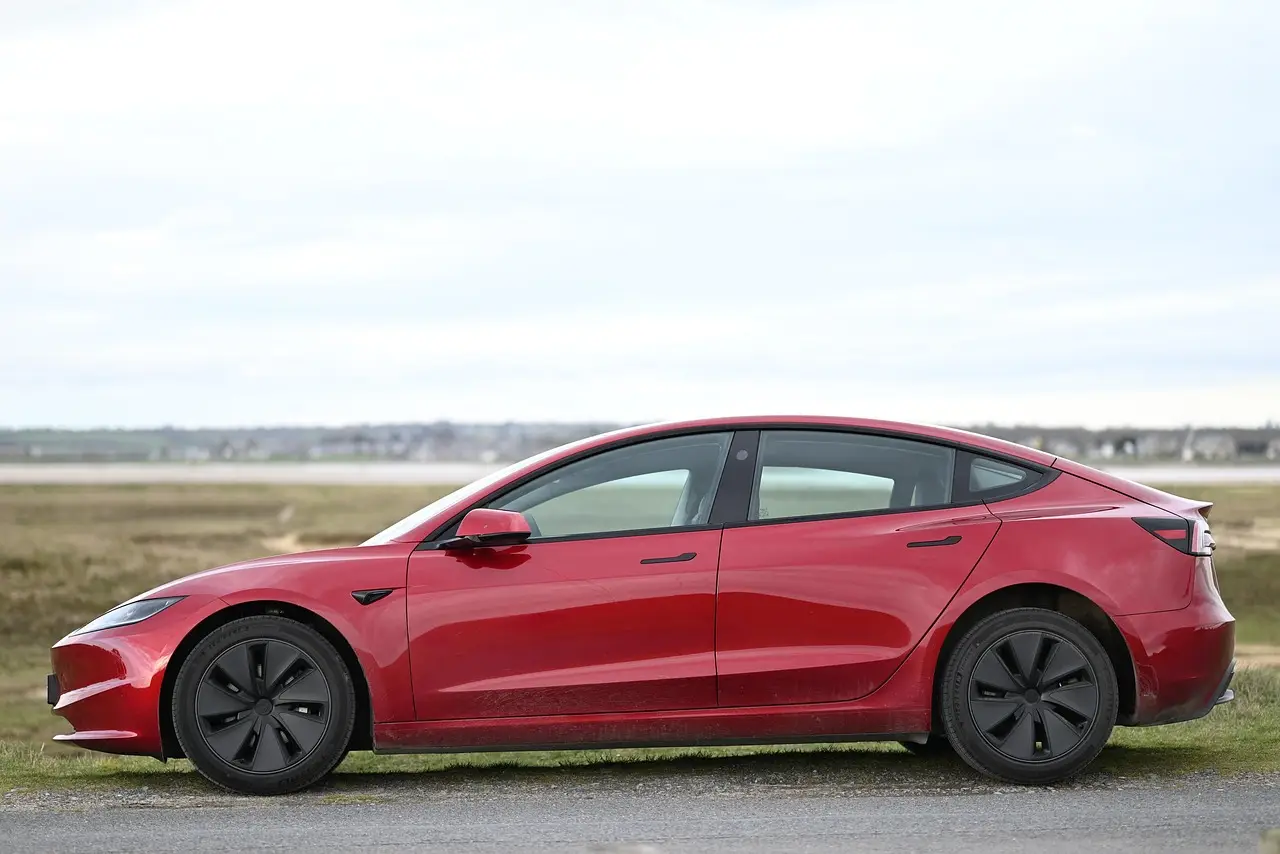
Tesla plans to spend €3 billion, about $3.31 billion, on a Cybercab production building at its Gigafactory in Grünheide near Berlin. The plan targets capacity for up to 1 million Cybercabs, with construction due to start in the first half of 2027 and production in 2029, according to Reuters and several other outlets. Grünheide is Tesla's only plant in Europe.
The €3 billion covers the production building, ancillary buildings and an additional wastewater-treatment plant. Reports describe an emailed Tesla statement as the channel for the news, but none of the coverage reproduces a speaker-attributed quotation.
What has Tesla actually committed to?
The confirmed items are infrastructure and timing. Tesla said it would file the building-permit application for the overall project before the end of 2026. That leaves roughly six weeks from the announcement. Everything else on the calendar follows from that filing.
- Investment: €3 billion, about $3.31 billion in reported conversion
- Location: Grünheide Gigafactory near Berlin, Tesla's only European plant
- Capacity: up to 1 million Cybercabs
- Permit filing: before the end of 2026
- Construction start: first half of 2027
- Production start: 2029
- Extra scope: ancillary buildings and a wastewater plant, included in the €3 billion
What does this change for the Cybercab program? It gives the project a figure, a capacity target and a calendar where before there was little confirmed. It does not add a single vehicle detail. Tesla has said nothing about Cybercab features, pricing, launch markets or operating plans in Germany. Any number circulating online about range, seat count or sticker price for the German build is speculation.
How should readers read the numbers?
The euro amount is the anchor; currency moves will shift the dollar figure week to week. The capacity number needs the same care. "Up to 1 million" is a ceiling, not a sales forecast. Plenty of factories run well below nameplate output for years after opening. Dividing the investment by the capacity gives a rough capital intensity of about €3,000 per unit of annual capacity — a back-of-envelope figure, not a Tesla publication, and one that ignores the wastewater spending.
The schedule shows a multi-stage build. Production in 2029 sits more than two years after the planned construction start. That gap is typical for a large industrial building with specialized equipment, but it leaves a long window for change.
Why the permit is the first real test
A building-permit application is not a permit. German approvals for large industrial projects involve local authorities, environmental review and public input. The reports say nothing about how long Tesla expects approval to take. The first half of 2027 construction date is therefore a target that depends on that process.
The bundled application covers the production building, ancillary structures and wastewater plant together. That keeps paperwork tidy. It also means a problem with one element could hold up the rest. The wastewater plant itself may ease the conversation, since it lets Tesla argue that expanded production will not lean on municipal systems. Whether regulators accept that argument remains open.
Will it rescue Germany's carmakers?
Some coverage framed the plan as a boost for Germany's struggling auto sector. Reuters, the Wall Street Journal, MLQ.ai and Car and Driver describe German automakers as facing high costs and low demand. None of that reporting shows the Tesla project will lift the sector. Construction could create work for regional contractors and suppliers. Tesla also competes with German carmakers for buyers, talent and component capacity, so the effect could cut either way.
The honest reading today is a split between commitment and outcome. Tesla has told the market it will invest, file paperwork and aim for scale at its single European site. It has not shown that regulators will approve, that buyers will line up or that rivals will stand still. Watch for two signals in the coming weeks: whether Tesla files on time, and whether German officials comment publicly. Judge the plan by the permit, not the headline.
via shattered.io (Source)
More from Marcus Bennett
Show full bio
News editor covering regulation, policy and their impact on hardware layer of artificial intelligence at Die Signal.
681 articles
Same lot · LOT-362C
- DSG-266465nmTesla Cybercab Orders Open: $29,990 Price, $299 Monthly Fee, Geofenced
- DSG-494814nmTesla Starts Optimus Early Production at Fremont: 1M Robots a Year
- DSG-61133nmTesla Opens Cybercab Orders at $29,990 — With No Steering Wheel
- DSG-43535nmTesla Robotaxi 24/7: What Is Confirmed and What Is Not
- DSG-30425nmTerafab Exposes Tesla's Growing Tensions With Samsung and TSMC