Test report DSG-7826 · Rev A · tested November 18, 2026
AI Devices & SystemsDevice under test
Korean Giants Ban AI Smart Glasses to Block Corporate Spying
Samsung, SK, Hyundai and LG are barring AI smart glasses from facilities, as tiny cameras and silent recording defeat metal detectors and X-ray screening.
- Read
- 3 min
- Words
- 594
- Node
- 20nm
- Operator
- Marcus Bennett
Spec summary
- SK hynix reissued its AI glasses ban via intranet on the 17th, with locker storage and reporting rules for employees.
- Hyundai Motor has required visitor declaration and approval for AI wearables at its Seoul headquarters since June.
- Korea Aerospace Industries banned camera-equipped IoT devices on the 17th and is weighing a dedicated detection system.
- Hanwha Aerospace banned AI glasses from early this year; HD Hyundai revised confidentiality agreements in August.
- Samsung allows AI glasses inside only with camera-covering security stickers.
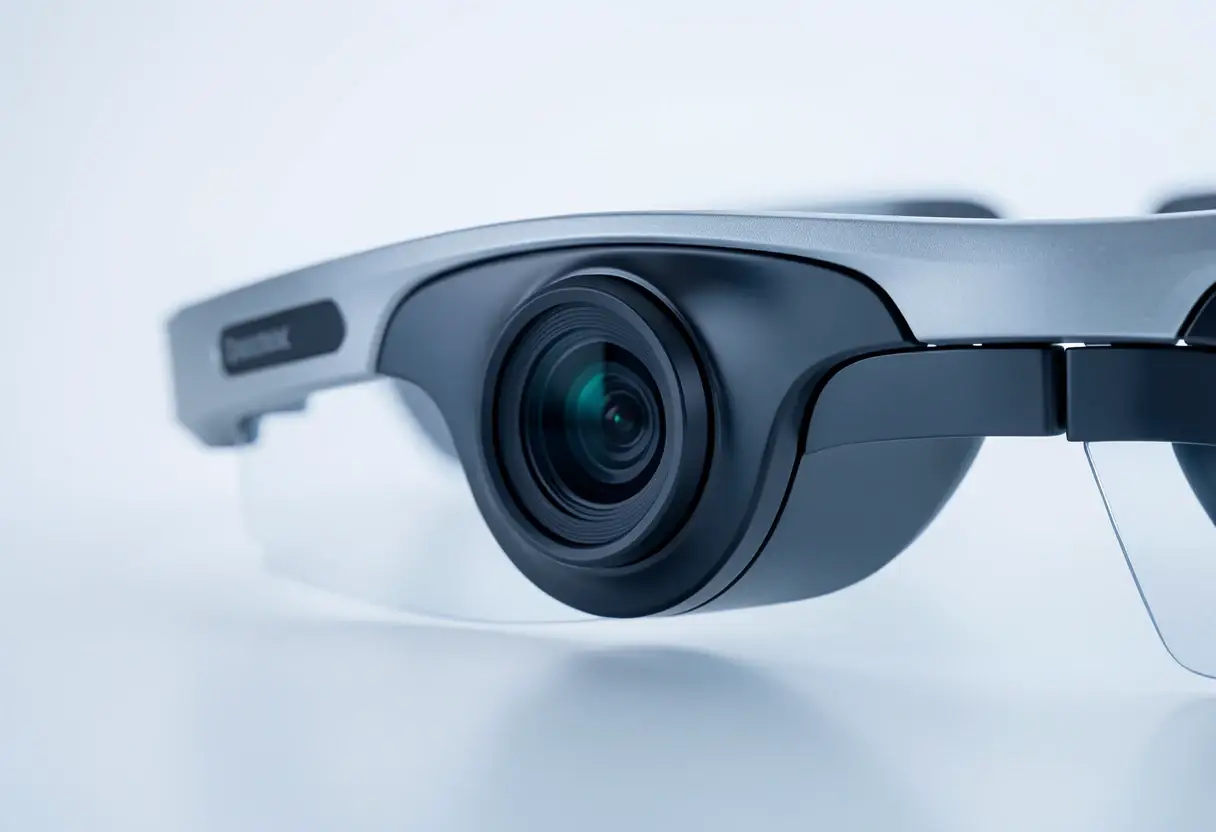
South Korea's largest conglomerates are barring AI smart glasses from their facilities, because the devices can record video and audio without visible operation and slip past metal detectors and X-ray screening. Samsung, SK, Hyundai Motor (005380) and LG (003550) are all tightening entry controls, along with firms in semiconductors, defense and other strategic industries.
SK hynix (000660) reissued a directive on the 17th through its internal intranet. It bans employees from bringing or wearing AI smart glasses at its sites, industry officials said on the 18th. The company had already classified the devices as prohibited information and communications equipment. It now spells out specific procedures as security risks grow.
What do the SK rules require from employees?
The procedure is blunt. Workers must check before leaving home whether they carry AI glasses. If so, they must store the devices in lockers before entering buildings. Anyone who spots someone wearing AI glasses on site must report it to the security team. Other SK affiliates, including SK On, are moving to strengthen security as well.
Samsung Electronics (005930) is weighing ways to raise its own security level. The company already bans photography inside its facilities using smart devices as a matter of principle. AI glasses may enter only with security stickers covering the cameras.
LG Group designates unauthorized storage media and smart devices, including smart glasses, as prohibited items. AI glasses that cannot run the company's security app must have their lenses covered with stickers.
How is Hyundai screening visitors?
Hyundai Motor has required outside visitors to its Yangjae headquarters in Seoul to declare and obtain approval for AI wearable devices since June. The same procedure now applies at all of its domestic research centers and plants. The company added battery-detecting AI functions to its X-ray screening equipment and pairs that with visual inspections by security staff. It plans to keep improving detection performance through AI training.
Defense contractors handling advanced weapons and military secrets are also on alert. Korea Aerospace Industries announced a ban on camera-equipped Internet of Things devices on the 17th. It urged employees to watch for unauthorized equipment and is considering a separate detection system to find wearables that are hard to identify by eye.
Hanwha Aerospace has been notifying employees of a ban on carrying AI glasses since early this year. It recently installed banners at the entrances of major sites reading "No AI smart glasses or AI recorders." At research centers handling core technology, it combines metal detection and security screening with visual inspections. HD Hyundai has also raised its response, conducting employee security training and revising its confidentiality agreements since August.
Why do standard security checks fail?
The problem is physical. AI glasses are hard to distinguish from ordinary eyewear, and metal detectors and X-ray screening alone have limits in catching them. Critics note the devices can capture video and audio without any visible operation, potentially exposing core information such as research and development data and production processes. A single frame of footage from a factory floor can carry more technical detail than pages of documents, which is why defense and semiconductor firms moved first and hardest.
The concern extends beyond hardware. AI itself is changing the threat model for corporate security teams.
"With AI making it harder to counter hacking, the arrival of ultra-small wearable devices has heightened anxiety about security gaps," an industry official said. "Because a leak of secrets can determine a company's fate, this requires government support and institutional backing, not just responses by individual companies."
via en.sedaily.com (Source)
More from Marcus Bennett
Show full bio
News editor covering regulation, policy and their impact on hardware layer of artificial intelligence at Die Signal.
681 articles
Same lot · LOT-362E
- DSG-148365nmHyundai and Kia Seal Smartphones as AI Glasses Trigger Leak Fears
- DSG-202728nmKorea's PIPC Warns Smart Glasses Shipments Jumped 322 Percent — and Bystanders Can't Tell
- DSG-147965nmKorea Builds Radio Detectors as Nations Deploy AI Curbs Against Exam Cheating
- DSG-206320nmKorea's IoT Security Certifications Halve as Home Camera Hacks Rise
- DSG-57983nmNo Country Bans AI Glasses Outright, But Courts and Schools Are Closing In