Test report DSG-3703 · Rev D · tested November 5, 2026
Memory & StorageDevice under test
Samsung Keeps DRAM Lead at 38% as SK hynix Cuts Gap to 9 Points
Samsung held 38% of DRAM revenue in Q3 while SK hynix rose to 29% on 40% revenue growth. Counterpoint sees the memory shortage persisting until new fabs open in 2028.
- Read
- 3 min
- Words
- 558
- Node
- 3nm
- Operator
- Marcus Bennett
Spec summary
- Samsung held 38% of global DRAM revenue in Q3, unchanged for three quarters
- SK hynix rose to 29% share, cutting Samsung's lead from 13 to 9 percentage points
- Micron fell to 21%; CXMT slipped to 9% after first reaching 10% last quarter
- Counterpoint expects new major fabs no earlier than 2028, keeping supply tight
- DRAM revenue hit roughly $200 billion, up 369% year-on-year, on only 4% bit growth
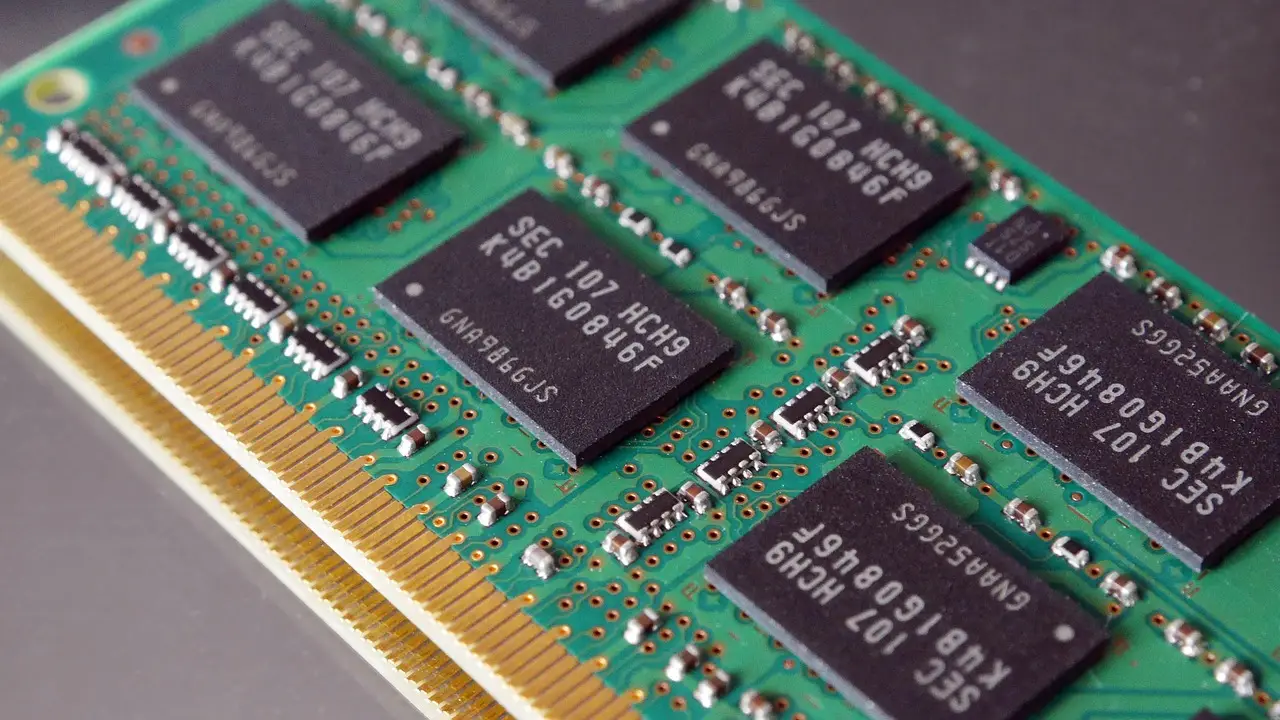
Samsung Electronics held 38% of global DRAM revenue in the third quarter, keeping the industry's top rank for a third straight quarter, according to Counterpoint Research. SK hynix closed the gap to 9 percentage points, down from 13, after lifting its own share to 29%.
The figures, published on the 5th, show a market defined by price spikes and constrained supply. Samsung's share was unchanged from the first and second quarters. Wider sales of conventional DRAM and rising memory prices supported the result.
What changed for SK hynix?
SK hynix grew its share by 4 percentage points, from 25% in the second quarter. The gain reflects a more than 40% quarter-on-quarter increase in DRAM revenue. Two drivers stand behind that number:
- Expanded sales of its flagship HBM3E high-bandwidth memory
- Higher memory prices across the board in the second half
The company had focused on HBM supply, so it benefited less from the sharp run-up in conventional DRAM prices earlier in the year. But HBM prices turned higher in the second half and supported earnings. Wider sales of conventional DRAM contributed as well, sources said.
"HBM prices, which rose less than conventional DRAM earlier this year, are now catching up," Counterpoint Research said. "Long-term agreements are underpinning prices, and with major new fabs not starting operations until 2028, the supply shortage will persist."
What does this mean for the HBM race?
The overall DRAM ranking tells only part of the story. In the HBM segment itself, SK hynix led with a 50% share in the second quarter, against Samsung's 33%. Some analysts now expect Samsung to overtake its rival in HBM next year.
"SK hynix led the HBM3E market but its growth has slowed recently, while Samsung's HBM4 is drawing a favorable response from customers," Counterpoint Research said. "Samsung, which has succeeded in turning its earnings around this year, is expected to reclaim the top spot in the HBM market next year."
So the practical question for buyers is whether HBM4 momentum shifts supply dynamics in 2026. Counterpoint's read says yes.
Who lost ground?
The Korean pair's gains came at the expense of two competitors. U.S.-based Micron fell 3 percentage points from the prior quarter to 21%. China's CXMT slipped 1 percentage point to 9%.
CXMT had reached a double-digit share of 10% for the first time in the previous quarter. It fell back below that mark within a single quarter. The Chinese maker had concentrated on older DRAM products that Samsung and SK hynix scaled back. Counterpoint Research said pressure on CXMT's share will intensify as competition over HBM4 gains momentum.
How long can the upturn run?
Counterpoint expects earnings growth to continue beyond the fourth quarter, supported by the memory shortage and rising prices. The supply side stays tight until new capacity arrives — and the major new fabs do not start operations until 2028.
"Bit shipments grew only about 4% this quarter, but DRAM revenue reached roughly $200 billion, a 369% increase from a year earlier," Counterpoint Research said. "With prices continuing to rise, suppliers are expected to set record results again next quarter."
The mechanism is simple. Shipments barely moved. Prices carried the revenue. That imbalance, combined with fabs three years away, keeps pricing power with the suppliers for now.
via Google News: HBM memory (Source)
More from Marcus Bennett
Show full bio
News editor covering regulation, policy and their impact on hardware layer of artificial intelligence at Die Signal.
591 articles
Same lot · LOT-360C
- DSG-966845nmSamsung Posts Record $80 Billion Profit as AI Memory Demand Beats Estimates
- DSG-17875nmSamsung Reclaims DRAM Lead With 38% Share as Market Nears $200 Billion
- DSG-212845nmNiche Memory Chip Bet Puts SK Hynix Ahead of Samsung in Value
- DSG-790810nmSK Hynix Overtakes Samsung to Become World's Top DRAM Maker
- DSG-503510nmSK Hynix Posts 79.7% Operating Margin as HBM and DRAM Prices Surge