Test report DSG-1787 · Rev B · tested November 5, 2026
Memory & StorageDevice under test
Samsung Reclaims DRAM Lead With 38% Share as Market Nears $200 Billion
Samsung took 38% of DRAM revenue in Q3 2026, up from 33%, as the market hit nearly $200 billion on a 369% revenue jump driven by prices, not shipments.
- Read
- 4 min
- Words
- 725
- Node
- 5nm
- Operator
- Marcus Bennett
Spec summary
- Samsung led global DRAM revenue with a 38% share in Q3 2026, up from 33% in Q3 2025 (Counterpoint Research).
- The DRAM market generated nearly $200 billion in Q3 2026, a 369% year-over-year jump, while bit shipments rose only about 4%.
- SK hynix fell to 29% share, Micron slipped to 21%, and China's CXMT captured 9%.
- Samsung's Q3 2026 operating profit jumped nearly ninefold to KRW 107.4 trillion.
- Counterpoint expects suppliers to post record earnings again in Q4 2026.
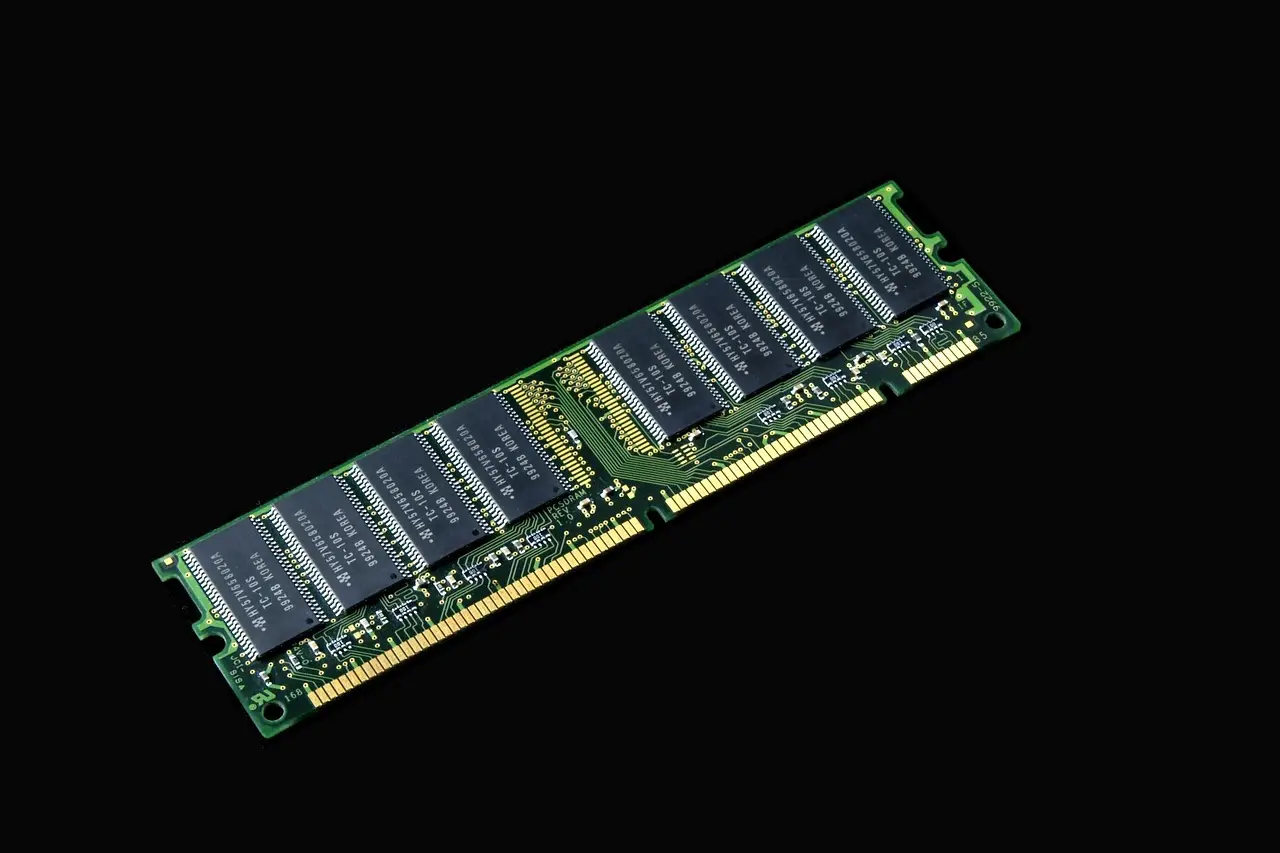
Samsung took 38% of global DRAM revenue in Q3 2026, up from 33% a year earlier, and reclaimed the top spot in a memory market that generated nearly $200 billion in a single quarter. The figure comes from Counterpoint Research. The jump was almost entirely about price, not volume, and it rewrote the competitive order between Samsung, SK hynix and Micron.
What changed at the top of the market?
A year ago the race was tight. Samsung held 33% in Q3 2025, and SK hynix matched it. Micron sat at 26%. Three quarters of AI-driven price inflation later, the picture looks different.
- Samsung: 33% → 38%
- SK hynix: 33% → 29%
- Micron: 26% → 21%
- CXMT (China): 9%, a new entrant at scale in the top-tier rankings
Samsung's gain came from average selling prices. Rising memory prices lifted revenue across the industry, but Samsung captured the largest slice of it.
There is one wrinkle. SK hynix grew faster quarter over quarter. Its DRAM revenue climbed more than 40% from Q2 2026 to Q3 2026. Micron also saw solid demand from AI data centers, though it grew more slowly than the two Korean suppliers.
Why did revenue jump 369% while shipments barely moved?
This is the mechanism that defines the quarter. The DRAM market generated nearly $200 billion in Q3 2026, a 369% jump year over year. Bit shipments increased only about 4%.
The arithmetic is simple. Prices did the work.
Counterpoint's reading of the situation goes further than a normal price cycle. The firm says AI has made memory a scarce resource. Buyers are now competing for supply instead of negotiating prices. That inverts the usual dynamic of the memory market, where large customers traditionally used their purchasing power to push costs down.
What does this change for buyers? It means long-term supply agreements, allocation deals and prepayments matter more than price negotiation. For suppliers, it means pricing power that has already produced record earnings and, by Counterpoint's expectation, will produce them again in Q4 2026.
What is happening with HBM?
High-bandwidth memory tells a slightly different story. HBM revenue nearly doubled during the quarter. Despite that, its share of total DRAM revenue dropped.
The implication is that conventional DRAM prices rose even faster than HBM revenue did, shrinking HBM's relative slice of a much larger pie.
The competitive picture in HBM is also shifting. Samsung is expected to overtake SK hynix and take the lead in the HBM segment next year. SK hynix has led this segment while Samsung worked to qualify its HBM products with major AI customers, so a leadership change there would be a significant reversal.
What did this do to Samsung's earnings?
The memory boom flowed straight into Samsung's results. The company posted record Q3 2026 earnings on the strength of its memory business. Operating profit jumped nearly ninefold to KRW 107.4 trillion.
A ninefold profit increase in four quarters reflects how far memory prices have moved. Samsung's cost base did not shrink; its pricing did the work.
What is Samsung building next?
Samsung is not treating the boom as a reason to stand still. The company has set up a new Core Team dedicated to next-generation DRAM and NAND flash development.
The team combines two functions that Samsung previously ran separately: process technology development and process design.
Its work includes 4F² DRAM, a cell architecture that fits more cells into a smaller area. Higher cell density per unit of silicon translates into more bits per wafer, which matters when buyers are competing for supply and every supplier is racing to add capacity-efficient output.
How long can the price run last?
Counterpoint sees no slowdown. The memory price hike trend, in the firm's assessment, shows no signs of slowing down. Suppliers are expected to post record earnings again in Q4 2026.
For the industry, the open questions are supply response and durability. A 369% revenue jump on 4% shipment growth is a pricing phenomenon, and pricing phenomena eventually invite new capacity. CXMT's 9% share shows new supply is already arriving from China.
For now, though, the scarce-resource dynamic holds. Samsung leads the market it once shared, the HBM lead may change hands next year, and buyers continue to compete for supply rather than negotiate on price.
via Google News: HBM memory (Source)
More from Marcus Bennett
Show full bio
News editor covering regulation, policy and their impact on hardware layer of artificial intelligence at Die Signal.
591 articles
Same lot · LOT-360C
- DSG-63223nmDRAM revenue up 369% to near $200bn in Q3 2026 on AI demand
- DSG-37033nmSamsung Keeps DRAM Lead at 38% as SK hynix Cuts Gap to 9 Points
- DSG-552828nmSamsung Holds 38% of Global DRAM Market in Q3, Yonhap Reports
- DSG-935728nmSamsung Projects 107.4 Trillion Won Quarterly Profit on AI Chip Demand
- DSG-43067nmSamsung Q3 Operating Profit Jumps Nearly Nine-Fold on AI Chip Demand