Test report DSG-7908 · Rev A · tested October 18, 2026
Memory & StorageDevice under test
SK Hynix Overtakes Samsung to Become World's Top DRAM Maker
SK Hynix has overtaken Samsung as the world's largest DRAM maker, riding Nvidia-linked AI memory demand to the top spot in the global rankings.
- Read
- 2 min
- Words
- 392
- Node
- 10nm
- Operator
- Marcus Bennett
Spec summary
- SK Hynix has unseated Samsung as the world's largest DRAM chipmaker.
- SK Hynix supplies memory to Nvidia, a central player in AI hardware.
- The shift was driven by booming demand for AI-related chips.
- The ranking change was reported by the South China Morning Post.
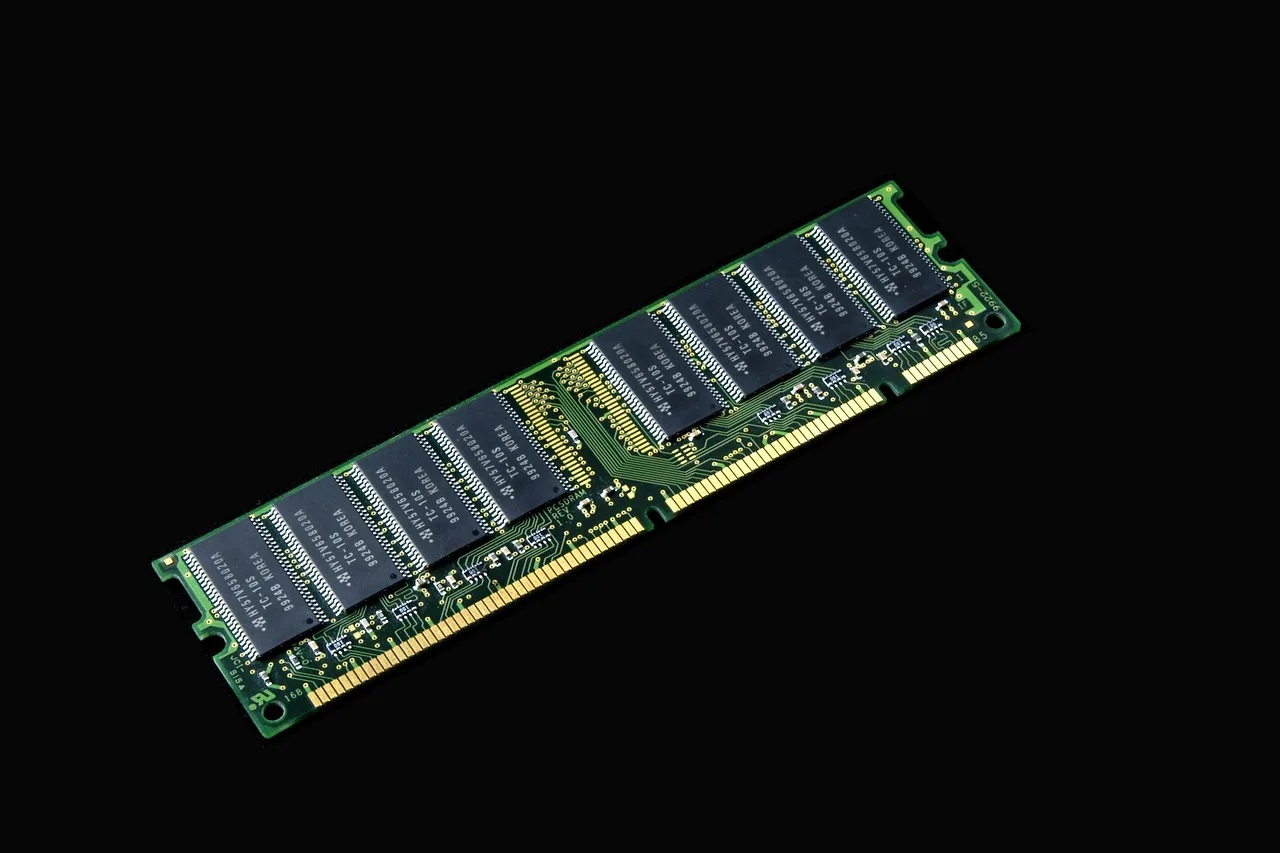
By Marcus Bennett
SK Hynix has replaced Samsung as the world's largest DRAM chipmaker, ending Samsung's long hold on the top spot. The South Korean rival, a key memory supplier to Nvidia, rose on surging demand for AI-related chips, according to a report by the South China Morning Post.
The shift marks a rare change at the top of the global memory market. Samsung has led the DRAM industry for years. SK Hynix, the smaller of Korea's two memory giants, closed the gap as data centre builders ramped up spending on artificial intelligence hardware.
Why did SK Hynix take the lead?
The mechanism is straightforward. AI systems need memory that moves data at high speed. SK Hynix built its position as a supplier of high-bandwidth memory (HBM) to Nvidia, whose GPUs power most large AI training clusters.
Samsung did not win the same share of that business. The result shows up in the revenue rankings. SK Hynix's AI-linked sales grew fast enough to overtake its larger competitor in total DRAM revenue, the report said.
This is not a story about one good quarter. It reflects which supplier aligned its product roadmap with the AI build-out first, and which one arrived later.
What does this change for the memory market?
For buyers, the practical question is pricing and supply. A reshuffle at the top can shift bargaining power between the big memory suppliers and their customers. Data centre operators negotiate hard on HBM contracts, and a market leader has more leverage in those talks.
For Samsung, the loss of the top spot puts pressure on its memory division to win back AI customers. For SK Hynix, the lead brings both revenue and capacity strain, since HBM output competes with conventional DRAM for wafer space.
What comes next?
The ranking battle between Korea's two memory giants will likely continue, with the following factors in play:
- Demand for HBM tied to Nvidia's GPU shipments
- Samsung's efforts to qualify its own HBM products with major AI customers
- Overall DRAM pricing, which remains cyclical
One long sentence worth holding on to: a market leadership built on a single customer segment, however fast-growing, remains exposed to the timing of AI infrastructure spending, and both suppliers know that demand cycles can turn as quickly as they arrived.
via Google News: DRAM chip (Source)
More from Marcus Bennett
Show full bio
News editor covering regulation, policy and their impact on hardware layer of artificial intelligence at Die Signal.
454 articles
Same lot · LOT-C1CE
- DSG-13767nmSK Hynix overtakes Samsung in annual profit for the first time
- DSG-212845nmNiche Memory Chip Bet Puts SK Hynix Ahead of Samsung in Value
- DSG-966845nmSamsung Posts Record $80 Billion Profit as AI Memory Demand Beats Estimates
- DSG-86517nmSamsung Counters SK Hynix With Three-Pronged zNAND Lineup
- DSG-123128nmSK hynix Unveils Next-Generation AI Memory Technologies