Test report DSG-5035 · Rev F · tested October 30, 2026
Memory & StorageDevice under test
SK Hynix Posts 79.7% Operating Margin as HBM and DRAM Prices Surge
SK Hynix's Q3 operating margin hit 79.7% as HBM, DRAM and NAND prices surged. It expects the memory shortage to run through 2030 and plans $72.5B in shareholder returns.
- Read
- 3 min
- Words
- 614
- Node
- 10nm
- Operator
- Grace Kim
Spec summary
- SK Hynix posted Q3 operating profit of 83.3333 trillion won ($60.4B), up 632.1% year-on-year.
- Q3 operating margin reached about 79.7%; revenue rose 327.9% to 104.6155 trillion won ($75.8B).
- The company projects the memory shortage will continue through 2030; HBM prices may more than double by 2027.
- Macquarie estimates memory now makes up about one-third of AI data center construction costs.
- SK Hynix announced an additional shareholder return plan worth 100 trillion won ($72.5B) for fiscal 2026.
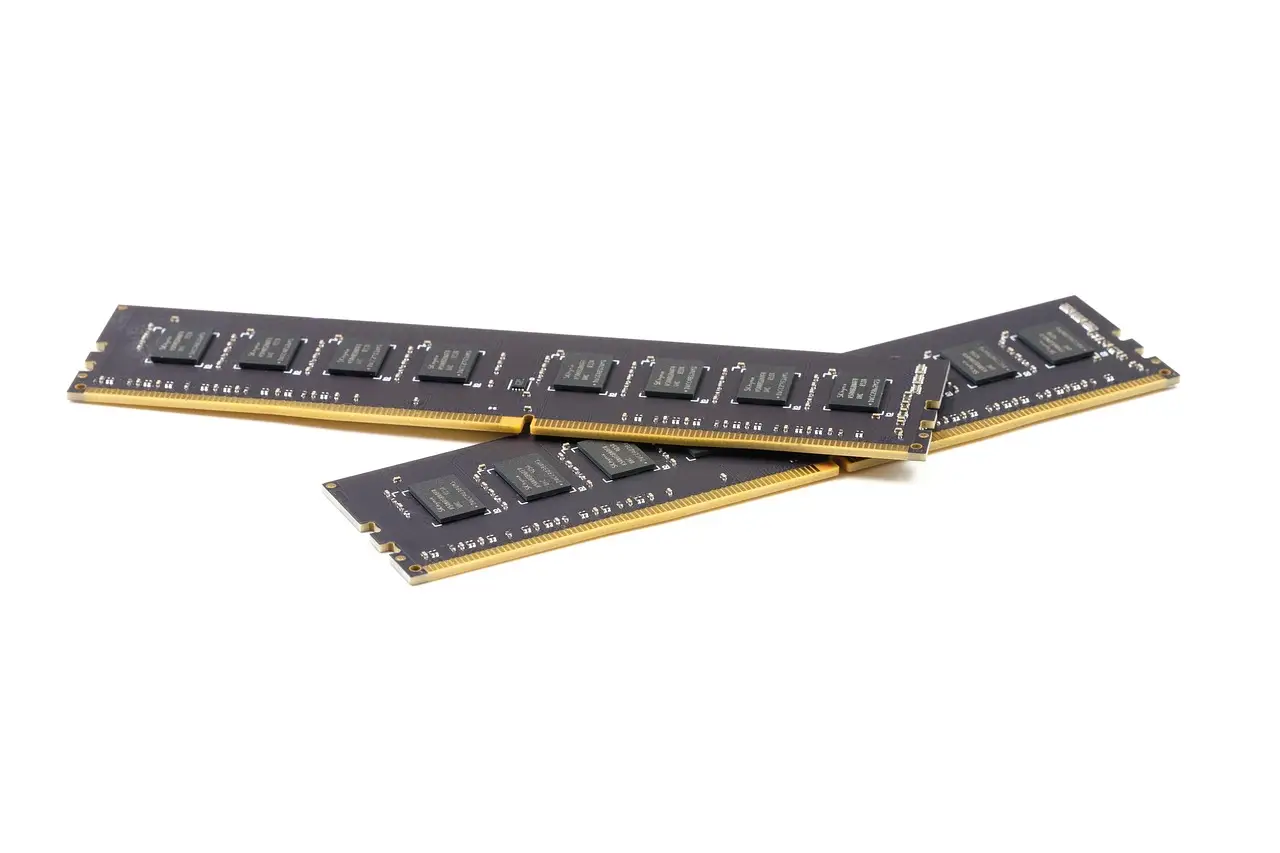
SK Hynix posted a 79.7% operating margin for the third quarter, with operating profit up 632.1% year-on-year to 83.3333 trillion won ($60.4 billion) on revenue of 104.6155 trillion won ($75.8 billion), a 327.9% increase.
Bloomberg reported the figures on Oct. 27. The numbers confirm what the memory market has signaled for months: AI data center spending has turned memory chips into a scarcity product.
What's driving the margin?
Two forces, and they reinforce each other. High-bandwidth memory (HBM, the stacked DRAM used in AI accelerators) commands premium pricing, and SK Hynix supplies it to Nvidia. At the same time, commodity DRAM and NAND flash prices have surged sharply, boosting profitability across the whole product line.
The mix shift makes the commodity squeeze structural. As memory makers allocate a larger share of wafer capacity to HBM, supply of conventional DRAM and NAND tightens, which supports further price increases in those segments.
MS Hwang, a director at Counterpoint Research, said HBM prices are also rising, but the sharp jump in earnings stemmed from steep increases in commodity DRAM and NAND prices. Quarterly earnings have not yet peaked, and the uptrend will likely continue at least through 2027.
SK Hynix itself projects the memory shortage will continue through 2030.
Why AI capex keeps pulling prices up
Memory has become one of the largest line items in AI infrastructure. According to Macquarie, memory now accounts for about one-third of the cost of building AI data centers.
HBM prices are projected to more than double by 2027. If that happens, memory's share of data center construction costs rises further — a cost spiral that buyers can't easily escape, because AI training and inference workloads are memory-hungry by design.
What does this change for SK Hynix?
The company is locking in the windfall. SK Hynix is expanding long-term supply agreements with major customers including Nvidia to secure profitability across the cycle, rather than relying on spot pricing that could reverse.
It is also returning cash at scale. The company announced an additional shareholder return plan worth 100 trillion won ($72.5 billion) for fiscal 2026 — a signal that management expects the earnings strength to persist rather than treating the quarter as a one-off peak.
Read-through for broader markets
Analysts reading the result for risk assets split the picture by time horizon. Short term, the view is neutral, with a 58% confidence level: strong earnings should support risk appetite on AI capex expectations, but a falling crypto total market capitalization and rising Bitcoin dominance suggest funds are moving toward defensive assets rather than altcoins. A strong U.S. dollar could trigger another crypto downturn.
The mid-term view is positive, at 62% confidence: surging memory prices and long-term supply contracts are grounds for continued AI infrastructure spending and broadening tech stock preference, though fear-greed sentiment and domestic capital flows remain neutral. Falling interest rates and a stable dollar would help crypto recover gradually.
The long-term view is also positive, at 64% confidence: a persistent memory supply shortage and rising AI data center costs strengthen the structural tech growth narrative, which could push institutional investors toward growth assets and eventually digital assets. Liquidity easing would lift crypto; sustained monetary tightening would leave it range-bound.
The headline facts stand on their own. A near-80% operating margin is extraordinary for a capital-intensive chipmaker. A 632% profit jump, a shortage projected to 2030, and a $72.5 billion return plan complete a picture of a supplier holding exceptional pricing power — with earnings that, by one analyst's read, haven't peaked yet.
via Google News: HBM memory (Source)
More from Grace Kim
Show full bio
Market editor covering regulation, policy and their impact on hardware layer of artificial intelligence at Die Signal.
494 articles
Same lot · LOT-C204
- DSG-652914nmSK hynix posts 632% operating profit jump, but misses forecasts
- DSG-646165nmHBM Prices Set to More Than Double Next Year, Report Says
- DSG-776545nmSK hynix Posts Record Q3: Operating Profit Up 557% to 83.33 Trillion Won
- DSG-26147nmTrendForce Forecasts HBM Prices to More Than Double in 2025
- DSG-966845nmSamsung Posts Record $80 Billion Profit as AI Memory Demand Beats Estimates