Test report · tested November 22, 2026
Supply Chain & PolicyDevice under test
Oslo Bans Smart Glasses in Schools; Norway Plans Wider Curbs
Oslo enforced a school smart-glasses ban on Aug. 27, 2026. Norway now plans a temporary curb on camera glasses in public places and brings printed textbooks back into classrooms.
- Read
- 3 min
- Words
- 658
- Segment
- Supply Chain & Policy
- Operator
- Marcus Bennett
Spec summary
- Oslo's smart glasses ban in schools took effect August 27, 2026, covering the whole school day and all education levels.
- Norway plans a temporary restriction on camera-equipped smart glasses in selected public places; no permanent national ban is reported.
- Oslo dropped its one-device-per-pupil requirement for primary schools.
- Norway is returning printed textbooks to classrooms and seeks a legal right to them, citing declining reading and writing skills.
- Oslo's rationale: preventing children from becoming 'extras in Meta's data collection.'
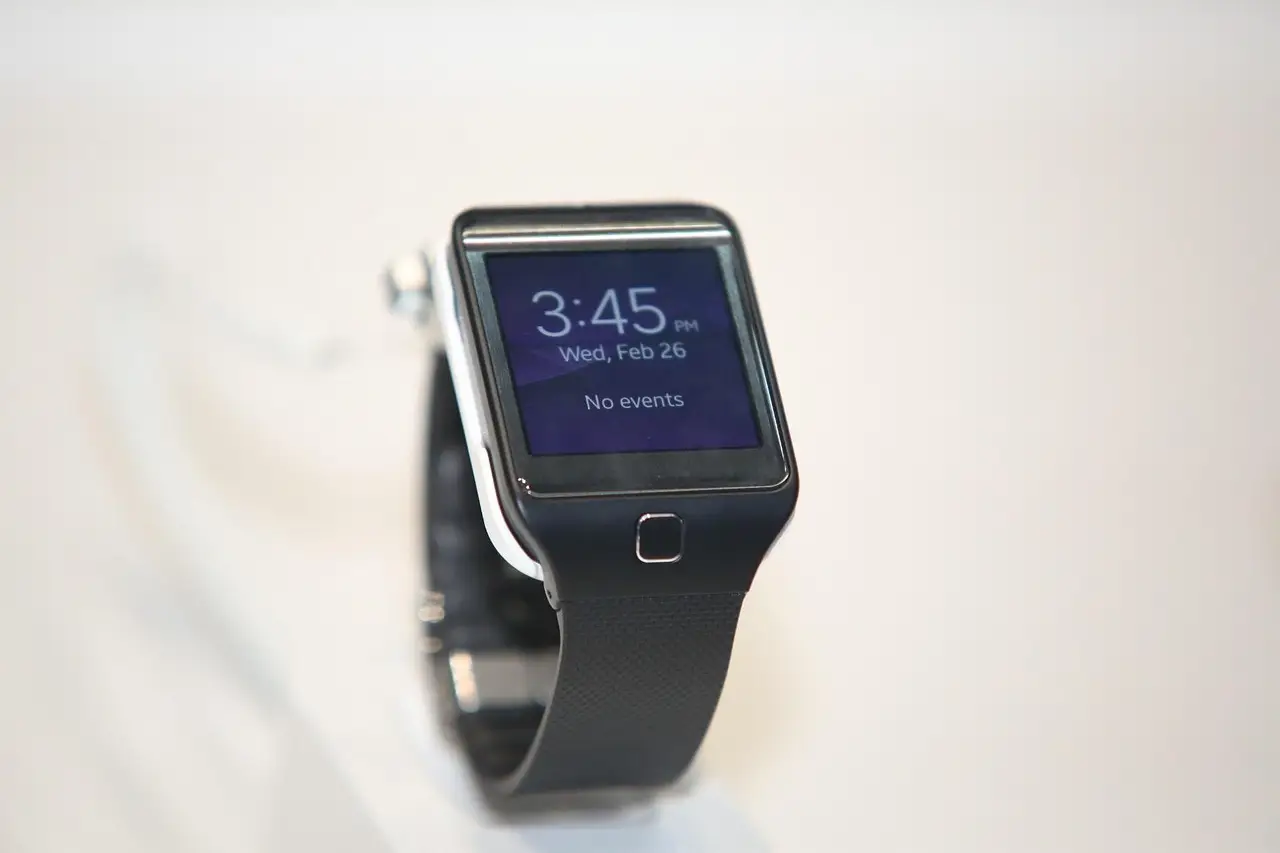
Osla's school ban on smart glasses took effect on August 27, 2026, and the national government is now planning a temporary restriction on camera-equipped smart glasses in selected public places, according to an AFP report published on November 21, 2026. The restriction could cover schools, parks, beaches, healthcare facilities, gyms and other privacy-sensitive venues. Privacy concerns drive the plan: camera glasses record people who never consented.
Several headlines blur the plan into a nationwide ban. That reading is wrong. No reporting describes a permanent national prohibition. The measure is temporary, and the government says the time limit exists so authorities can decide which devices should be covered and whether permanent regulation is needed. In plain terms, Norway admits it lacks a definition of the product it wants to restrict.
What does this change for schools?
Two measures are final, and both are local. Oslo dropped its one-device-per-pupil requirement for primary schools, giving each school discretion over laptops and tablets. And Oslo's smart glasses ban applies throughout the school day, at all education levels, per The Local Norway.
The ban's stated rationale names one company. The policy aims to prevent children from becoming "extras in Meta's data collection." No glasses model, price or camera specification appears in the confirmed record. The framing matters: a phone distracts one pupil, while a camera on a face can pull every nearby child into a recording pipeline a company controls.
Nationally, Norway is also bringing printed textbooks back after years of laptops and screens, citing declining reading and writing skills. The government seeks a legal right to printed textbooks. If passed, a school could not satisfy its obligations with a tablet alone, and publishers and buyers would fund both formats. No cost figures exist in the reporting.
Authorities have also recommended regulating mobile phones in schools and introducing AI into the curriculum only gradually. These are recommendations, not statutes.
Where could the restriction apply?
- Schools — minors present all day, little ability to opt out
- Parks and beaches — families in shared space; limited clothing raises recording harm
- Healthcare facilities — patients share sensitive conditions
- Gyms and fitness centres — changing areas, close quarters
- Other privacy-sensitive places — left open while the definition is settled
The open category cuts both ways. It gives the government room to add venues. It gives device makers no certainty about where their products will work. Enforcement is unanswered: no reporting names a policing body, detection method or penalty. Without those answers, the rule works first as a social norm, only later as law.
Why temporary and not permanent?
A time-limited restriction in named places is easier to defend legally than a consumer-product ban, and it keeps room for socially beneficial uses the proposal says may be permitted. The risk is drift: temporary rules sometimes outlive their sunset dates once popular. Companies planning roadmaps around Norway should treat the label as a soft signal, not a promise.
What is the market impact?
The reported facts include no sales figures, unit counts or revenue estimates. Only direction is supportable. For wearable makers the direct hit is small — one country, selected places. The indirect hit is larger, because a rule that works in one capital becomes a template elsewhere, and Meta sits at the center of the debate by name.
For education vendors, the signals point one way. Publishers with live print lines gain leverage. Resellers built on guaranteed one-to-one deployments face softer, more varied demand. Classroom software vendors may fare better.
What remains unconfirmed
- Any nationwide permanent ban — only a temporary measure is planned
- Any named glasses model, manufacturer beyond the Meta reference, or camera or battery specification
- Any count of Oslo schools dropping devices, or policy costs
- Any start date, penalty or enforcement body for the national restriction
- Any timeline for the textbook right to become law
Norway has acted locally, signaled nationally, and left the hardest details open.
via shattered.io (Source)
More from Marcus Bennett
Show full bio
News editor covering regulation, policy and their impact on hardware layer of artificial intelligence at Die Signal.
752 articles
Same lot
- Korea's PIPC Warns Smart Glasses Shipments Jumped 322 Percent — and Bystanders Can't Tell
- No Country Bans AI Glasses Outright, But Courts and Schools Are Closing In
- Korean Giants Ban AI Smart Glasses to Block Corporate Spying
- Hyundai and Kia Seal Smartphones as AI Glasses Trigger Leak Fears
- Korea Builds Radio Detectors as Nations Deploy AI Curbs Against Exam Cheating