Test report DSG-2027 · Rev F · tested November 9, 2026
AI Devices & SystemsDevice under test
Korea's PIPC Warns Smart Glasses Shipments Jumped 322 Percent — and Bystanders Can't Tell
Korea's PIPC warns smart glasses shipments jumped 322% to 8.7 million units, plans privacy guidelines after exam cheating and bystander recording risks.
- Read
- 4 min
- Words
- 730
- Node
- 28nm
- Operator
- Elena Vasquez
Spec summary
- Global smart glasses shipments reached 8.7 million units last year, up 322% year over year (Omdia).
- PIPC published its smart glasses privacy report on the 9th, jointly with the Korea Privacy Association.
- 360iResearch projects the market growing from $3.05 billion this year to $10.58 billion in 2032 (22.88% CAGR).
- PIPC Chairperson Song Kyoung-hee said privacy risks from smart glasses are 'becoming a reality.'
- Guidelines for users, manufacturers and service providers will follow public consultation, with the Ministry of Science and ICT involved.
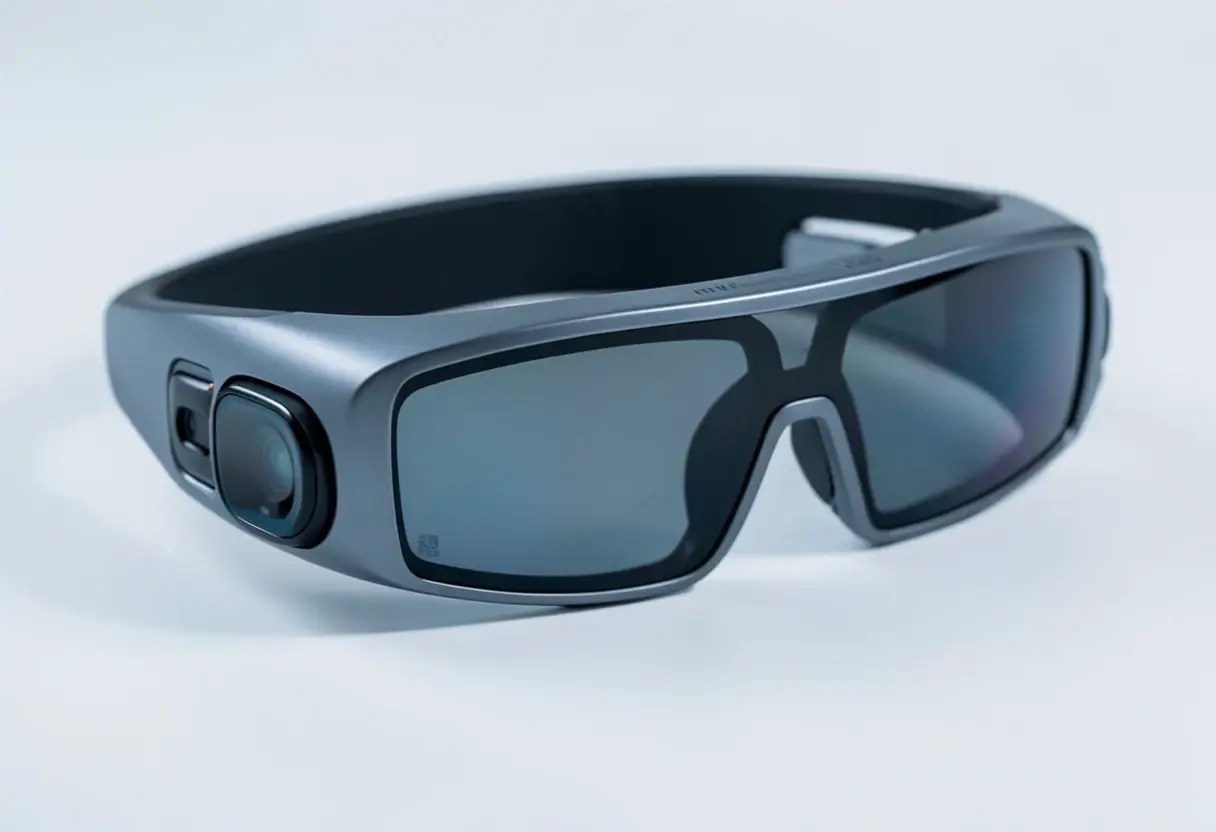
Global smart glasses shipments hit 8.7 million units last year, up 322 percent from the year before — and Korea's data protection regulator says that growth is turning bystander privacy risk into a daily reality. The Personal Information Protection Commission (PIPC) published an in-depth report on the devices on the 9th, prepared jointly with the Korea Privacy Association, and it's now planning formal smart glasses privacy guidelines.
The timing isn't academic. The devices have already been misused for cheating on college entrance exams and other offenses, according to the commission. Privacy concerns first surfaced after smart glasses launched overseas, which prompted the PIPC to meet with companies before their domestic releases and examine individual models and how each one processes personal data.
What makes smart glasses a regulatory problem?
The devices pair cameras, microphones and sensors with generative AI. They record video and audio from the wearer's point of view, hands-free, and can push that data to smartphones, the cloud and external AI services. To anyone standing nearby, they look like ordinary glasses or sunglasses.
That near-invisibility is the commission's biggest flagged problem: bystanders can't tell whether they're being recorded. Some products carry an LED indicator that lights during recording, but people may not notice it, and users can simply cover it. Some models can even record while not being worn.
The second major risk is data-flow complexity. Captured video and audio can be processed on the device, on a linked smartphone, by AI models, in the cloud, or through third-party services — multiple channels, minimal visibility. And because bystanders are more likely than the wearer to be the subject of a recording, the PIPC worries that footage or audio could end up training AI models or posted on social networks without the knowledge of the people in it.
How big is this market?
Two research firms frame the growth curve:
- Omdia: 8.7 million smart glasses shipped globally last year, a 322 percent jump year over year.
- 360iResearch: the market grows from $3.05 billion this year to $10.58 billion in 2032, at a 22.88 percent average annual rate.
Put another way, the market is on track to more than triple within seven years — roughly a $7.5 billion increase over that window.
What does the PIPC want from users?
The commission's recommendations for wearers are concrete and go beyond the usual boilerplate:
- Check the privacy policies of both the device and any linked services before use, and disable functions you don't need.
- Avoid use where recording is banned or restricted — courts and examination halls, plus restrooms and changing rooms. Where possible, don't wear the devices in those settings at all.
- Tell people nearby when recording is happening, and stop if the other party objects.
That last point matters practically: it shifts part of the compliance burden onto the wearer at the moment of capture, not just onto the manufacturer at the point of design.
What does it want from manufacturers and AI providers?
The report splits obligations by role. Manufacturers should design products so bystanders can easily recognize when recording is underway — effectively a call to fix the LED problem rather than rely on it. AI service providers must clearly disclose the purpose of data collection and how data flows through their systems. Using collected data to train AI requires meeting legal requirements, including prior consent.
For vendors eyeing the Korean market, that means the pre-launch conversations with the PIPC are likely to get more prescriptive, not less.
What happens next?
The PIPC says it will draft smart glasses privacy guidelines covering users, manufacturers and service providers, following further analysis and public consultation. It also plans to work with the Ministry of Science and ICT and other agencies to strengthen privacy rules for emerging technologies, including wearable devices and physical AI.
"As smart glasses enter people's daily lives, the risks to personal data and privacy are becoming a reality," PIPC Chairperson Song Kyoung-hee said. "We will continue working to protect the public's personal data while not holding back innovation."
That closing line is the tightrope: Korea wants enforceable bystander protections without throttling a market growing at nearly 23 percent a year. The upcoming guidelines — and whether they mandate tamper-proof recording indicators — will be the signal to watch.
via en.sedaily.com (Source)
More from Elena Vasquez
Show full bio
Senior reporter covering people, launches and day-to-day practice in hardware layer of artificial intelligence at Die Signal.
589 articles
Same lot · LOT-3610
- DSG-91945nmFCC bans first two devices under chip-level security rule
- DSG-390365nmGoogle’s $395 Gemini Eyewear Ships December 10 Without a Display
- DSG-92437nmSamsung's Intelligent Eyewear Preorders Open on the 12th
- DSG-183314nmDEEPX targets smart glasses with low-power NPU, eyes 6G AI RAN
- DSG-997045nmAUO Chairman: Glass Substrates to Mature in 2–3 Years, Enter AI Packaging Chain