Test report DSG-1483 · Rev D · tested November 16, 2026
Supply Chain & PolicyDevice under test
Hyundai and Kia Seal Smartphones as AI Glasses Trigger Leak Fears
Hyundai and Kia now seal visitors' phones at Namyang R&D as camera-equipped AI glasses, banned by the U.S. Air Force and Canada's Defence Department, break smartphone-era leak controls.
- Read
- 3 min
- Words
- 579
- Node
- 65nm
- Operator
- Elena Vasquez
Spec summary
- Hyundai and Kia sealed smartphones in security pouches at Namyang R&D, replacing camera-lens stickers, per officials on the 16th
- The U.S. Air Force banned photo, video and AI smart glasses in uniform in January; Canada's Defence Department followed with a blanket ban in July
- The European Data Protection Board issued smart glasses privacy guidance on Oct. 13
- Victoria's Information Commissioner released wearable-device guidance for public agencies on Oct. 27
- Australia began reviewing a government-workspace smart glasses ban in September
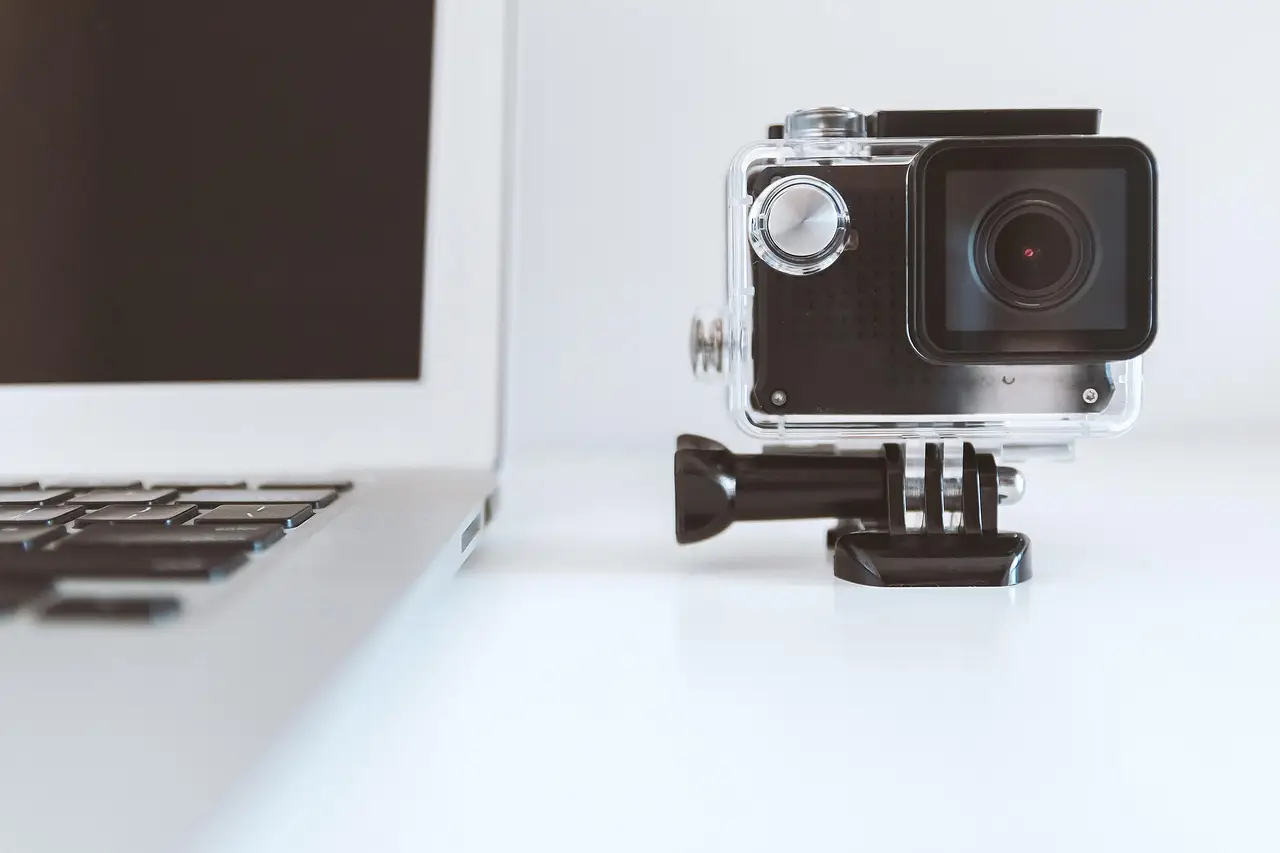
Hyundai Motor and Kia have moved from camera stickers to sealed security pouches for visitors' smartphones at the Namyang Research and Development Center, after AI glasses that look like ordinary eyewear made lens-covering rules obsolete. Industry officials confirmed the tightening on the 16th, saying wider restrictions on wearable devices are now under review.
Namyang handles everything from new vehicle design to parts development, testing and evaluation. A leak of pre-launch vehicles or next-generation technology could directly damage the two companies' competitiveness, which is why the site also screens carried items with AI scanners and X-ray equipment.
Why don't smartphone rules catch AI glasses?
The core problem is that AI glasses are worn like normal eyewear and can capture photos and video through built-in cameras. There's no need to pull out a separate device, so people nearby can't tell recording is happening. Some products also push captured video and audio to external AI services or the cloud, multiplying the leak surface.
An industry official told Newsis that existing restrictions on bringing electronic devices into research sites are being applied for now, with additional security measures under review in anticipation of wider AI glasses adoption. Korea's aerospace sector faces the same exposure: unauthorized filming at aircraft maintenance and upgrade sites or UAV development facilities could reveal equipment inside military aircraft or test installations.
What have governments already banned?
Overseas regulators are moving faster than industry:
- The U.S. Air Force barred smart glasses with photo, video or AI functions while in uniform in January, with some units extending the ban to civilian employees.
- Canada's Department of National Defence imposed a blanket ban in July covering operational areas, security zones and high-security zones — no exceptions even for devices powered off or in airplane mode.
- Australia began reviewing a ban on camera-equipped smart glasses in government workspaces in September.
- Oslo, Norway has banned smart glasses in schools; courts in England and Wales have prohibited Meta's smart glasses.
Katy Gallagher, the Australian minister responsible for the public service, said the photo and information-gathering capabilities of smart glasses raise legitimate concerns about privacy and security, and that clear guidance was needed for public servants. Australia's federal measure remains at review stage, unlike the bans already in force elsewhere.
What do privacy regulators want changed?
The European Data Protection Board adopted a statement on smart glasses on Oct. 13 and issued privacy guidance. The board noted that cameras and microphones on smart glasses can record images and audio without the knowledge of the people being recorded, and that the risk is highest where sensitive information flows — hospitals, schools and workplaces.
Anu Talus, chair of the board, stressed the need for clear notification features, such as a bright indicator light or a sound, so bystanders can tell whether recording is taking place.
Australia's Office of the Victorian Information Commissioner followed on Oct. 27 with guidance for public agencies. It warned that video and audio collected through smart glasses may be transmitted to manufacturers or AI service providers and processed overseas without an agency's prior approval. The office recommended clarifying that existing mobile phone photography bans also cover smart glasses and other wearables, and running separate assessments of cloud-connectivity risks.
For Korean companies, the practical task is clear: security regimes built around the smartphone now have to stretch across an entire class of wearable devices that nobody can see recording.
via en.sedaily.com (Source)
More from Elena Vasquez
Show full bio
Senior reporter covering people, launches and day-to-day practice in hardware layer of artificial intelligence at Die Signal.
675 articles
Same lot · LOT-362C
- DSG-782620nmKorean Giants Ban AI Smart Glasses to Block Corporate Spying
- DSG-202728nmKorea's PIPC Warns Smart Glasses Shipments Jumped 322 Percent — and Bystanders Can't Tell
- DSG-206320nmKorea's IoT Security Certifications Halve as Home Camera Hacks Rise
- DSG-147965nmKorea Builds Radio Detectors as Nations Deploy AI Curbs Against Exam Cheating
- DSG-57983nmNo Country Bans AI Glasses Outright, But Courts and Schools Are Closing In