Test report · tested November 27, 2026
Supply Chain & PolicyDevice under test
Korean Chip Researchers Ask Labor Minister to Ease 52-Hour Cap
Samsung and SK hynix researchers told Labor Minister Kim Young-hoon that the 52-hour cap blocks urgent Nvidia fixes and mid-task R&D work, and asked for scheduling autonomy inside chip zones.
- Read
- 3 min
- Words
- 612
- Segment
- Supply Chain & Policy
- Operator
- Marcus Bennett
Spec summary
- Labor Minister Kim Young-hoon met roughly a dozen Samsung and SK hynix researchers in Pangyo on the 26th, behind closed doors.
- One researcher said Nvidia demands fixes within 24 hours, even on weekends, when sudden errors arise.
- Korea plans some 800 trillion won of investment in a semiconductor cluster in the Honam region.
- Trade Minister Kim Jung-kwan called the previous day for a Week 52-hour exemption, citing China moving faster.
- Labor groups oppose easing working-hour rules inside the planned semiconductor special zones.
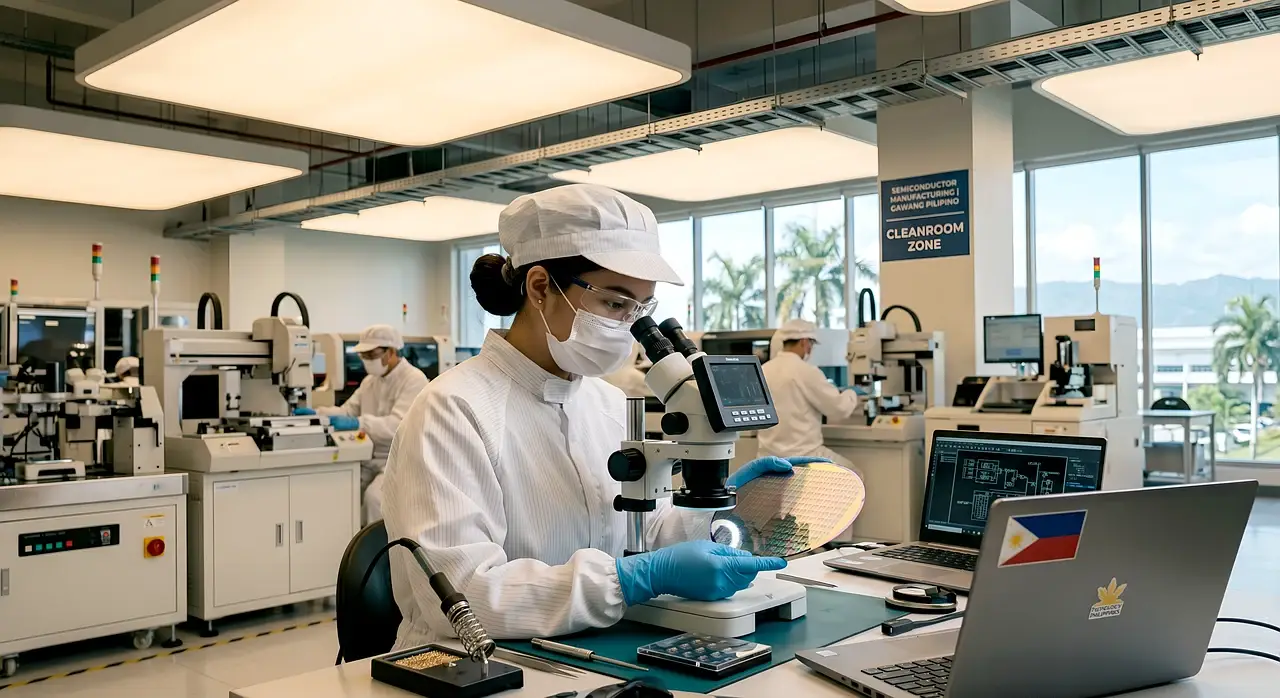
Employment and Labor Minister Kim Young-hoon met about a dozen researchers from Samsung Electronics (005930.KS), SK hynix (000660.KS) and other major chipmakers in Pangyo, Gyeonggi Province, on the 26th. The meeting was closed. Its purpose was to hear field-level views as labor groups push back against plans to ease working-hour rules inside mega-scale semiconductor special zones.
The researchers told the minister a uniform cap on working hours holds back research and development. One described a concrete constraint: Nvidia demands fixes within 24 hours, even on weekends, when sudden errors arise, and the current system makes such rapid response difficult. Another said researchers must leave the office once they hit the working-hour cap, even in the middle of intense work, and cannot review materials at home because of security restrictions.
The request was measured. The researchers did not ask for permission to work unlimited hours. They asked for autonomy in how those hours are arranged, so they can concentrate on research when the work demands it.
What changes if the 52-hour rule is exempted?
The practical question is what a Week 52-hour exemption would change for R&D staff, and the researchers' answer was precise: it would remove a mechanical stop that ends work mid-task and prevents weekend responses to customer errors. Trade and Industry Minister Kim Jung-kwan made the same case the previous day, saying Korea is already losing to China on time in the chip race.
The context adds urgency. Concerns about a peak-out in the semiconductor cycle are surfacing amid debate over excessive artificial intelligence investment. The greater the uncertainty in the industry, the more corporate earnings and survival hinge on a decisive technology lead. That lead, in the researchers' framing, depends on whether talented people can immerse themselves in their work.
An 800 trillion won cluster needs people, not just plants
The government and private companies plan to pour some 800 trillion won into a semiconductor cluster in the Honam region to sustain the competitiveness of Korean chips. The stakes of the hour-rule debate scale directly with that figure. No matter how advanced the facilities, the return on the investment will be halved if the people meant to run them are bound by rigid working-hour rules and cannot perform to capacity, the source argues.
The underlying claim is institutional: working-hour rules suited to an era of competition for technological supremacy must be in place alongside the capital spending.
Is the meeting more than a signal?
The labor minister's visit to the heart of semiconductor R&D carries weight because it put the cabinet in direct contact with the researchers' complaints, including the 24-hour Nvidia demand and the security ban on home review. But the meeting's value depends on follow-through. If the appeals from the field produce no substantive policy change, the meeting amounts to little more than a show of communication.
The proposed path forward has two parts:
- Introduce an exemption from the 52-hour workweek for semiconductor R&D staff.
- Accelerate broader flexibility in working hours across advanced industries.
The government and the National Assembly are the actors named as responsible for moving quickly on both.
The timing argument is cyclical. The chip boom will not last forever, the source notes, but a decisive technology lead is the sturdiest support for breaking through a downturn. Labor groups remain opposed, which makes the political lift real: easing standard working-hour rules inside the special zones is the exact policy they are contesting. The researchers' position narrows that fight — they sought control over scheduling, not an end to the limits themselves.
via en.sedaily.com (Source)
More from Marcus Bennett
Show full bio
News editor covering regulation, policy and their impact on hardware layer of artificial intelligence at Die Signal.
796 articles
Same lot
- Samsung and SK hynix researchers ask Seoul to scrap 12-hour overtime cap
- Korea Sets 50 MW Threshold to Exempt Regional AI Data Centers From Grid Reviews
- Texas resumes data center approvals after Abbott's 1,800+ freeze
- Eni, ExxonMobil, EDF and Fortum Join Big Tech's EU Permit Push
- Israel caps new data centers at 200MW and demands grid guarantees