Test report · tested November 26, 2026
Supply Chain & PolicyDevice under test
Samsung and SK hynix researchers ask Seoul to scrap 12-hour overtime cap
Chip R&D staff from Samsung and SK hynix told Labor Minister Kim Young-hoon the 12-hour weekly overtime cap breaks research continuity, citing 24-hour fix demands from Nvidia.
- Read
- 4 min
- Words
- 725
- Segment
- Supply Chain & Policy
- Operator
- Elena Vasquez
Spec summary
- About a dozen R&D staff from Samsung Electronics and SK hynix met Labor Minister Kim Young-hoon behind closed doors on the 26th.
- Researchers asked to relax or lift the 12-hour weekly cap on overtime in the proposed mega-regional special zones.
- One researcher cited Nvidia requests to fix defects within 24 hours, seven days a week.
- In a Korea Enterprises Federation survey of 468 strategic-tech companies, 50.6% wanted greater working-hour flexibility for R&D staff.
- Participants capped overnight work at 'two days, at most' and some opposed a white-collar exemption waiving overtime pay.
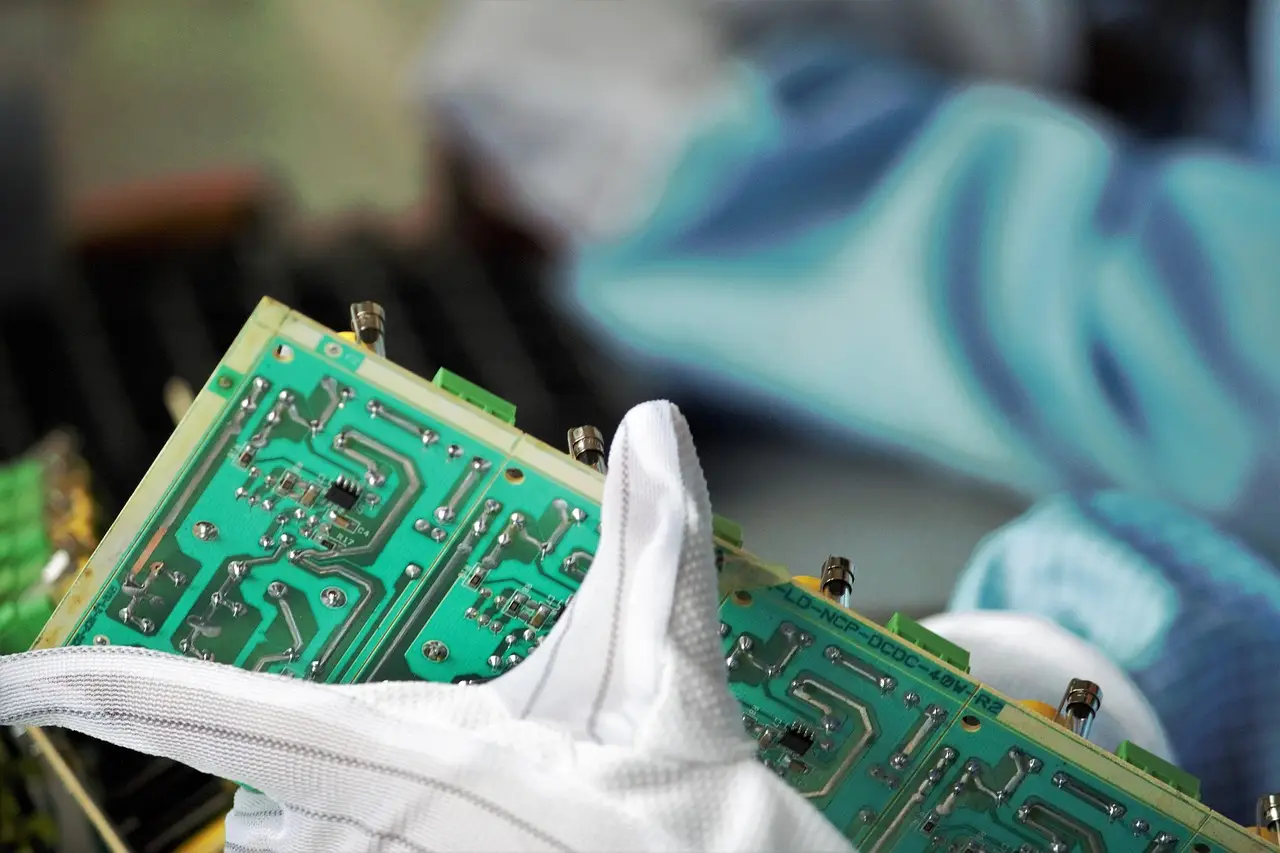
Chip researchers at Samsung Electronics and SK hynix are pressing South Korea to relax the 12-hour weekly cap on overtime, arguing that uniform working-hour limits undercut research continuity and leave them unable to answer urgent fix requests from global clients. Employment and Labor Minister Kim Young-hoon met roughly a dozen R&D staff from major chipmakers behind closed doors on the 26th, at the Gyeonggi Center for Creative Economy and Innovation, to pull field voices into a policy debate that has so far mostly featured business groups versus unions.
What did the researchers actually ask for?
Their central demand: more room for companies to manage working hours inside the proposed mega-regional special zones — including lifting the 12-hour weekly overtime cap — provided rest and fair compensation come with it. Workloads in chip development vary sharply by process and research stage, they said, and the rules bite hardest exactly when concentrated effort matters: at the start of a new project or when a technical bottleneck needs solving.
"We run short of time while doing R&D, and if we are the only ones tied up by regulation amid global competition, it is hard to keep pace," participants said, urging flexibility during intensive research periods.
Why can't they just work from home?
Security rules make that impossible. Core chip technology and related documents can't leave company premises, which rules out remote work entirely. One researcher described the cost of the hour limit in those conditions: "I will be working through a problem and then hit the limit on hours and have to go home, which breaks my train of thought, and the next morning I often start over from the beginning." The materials are confidential and security-controlled, so there is no way to work at home.
Another researcher framed the supplier-side pressure. Samsung and SK hynix may be giants at home, but in the global supply chain they answer to Big Tech clients like Nvidia. "When something unexpected or a defect comes up at Nvidia, there are times they ask us to fix it within 24 hours, seven days a week," the researcher said. "We cannot turn them down, so flexibility in working hours at those moments is desperately needed."
What's wrong with the existing flexibility schemes?
Plenty, per the researchers. The government has already stretched special extended working hours in chip R&D to as long as six months, but the field still runs into friction: the threshold feels high, the permitted period can expire mid-project, and administrative procedures have to be repeated to extend it — a poor fit for research where continuity is the point. "Even with special extended hours and the flexibility schemes themselves, the field runs into real difficulties as the end date approaches or in the process of documenting that the requirements are met," participants said. Some also argued researchers should set their own start and finish times around research schedules.
Do they want unlimited hours?
No — and this is where the meeting breaks with the usual standoff. Participants agreed flexibility must not open the door to indiscriminate long hours. "We need time to immerse ourselves in the work, but rest has to come with it," one said, calling for sufficient rest and leave after overnight shifts or intensive stretches. Another put a hard ceiling on it: R&D demands intense concentration and physical stamina, so "two days is about the limit for overnight work, at most."
There were also strong calls for overtime pay and rewards tied to research results. That's why some participants opposed a white-collar exemption, which would waive overtime-pay obligations. Even with looser hour rules, they said, fair compensation is what converts the change into stronger motivation and deeper engagement.
The researchers' position tracks with employers. In a Korea Enterprises Federation survey of 468 companies with 50 or more employees in national advanced strategic technology sectors, conducted this June and July, 50.6% picked "greater working-hour flexibility for R&D staff" as the labor rule exemption they most needed — a slim majority, but the top answer.
Kim, in his opening remarks, said securing working hours and protecting workers' health are not at odds. "The government will listen carefully to voices from the field and work to find the solutions that are needed," he said.
via en.sedaily.com (Source)
More from Elena Vasquez
Show full bio
Senior reporter covering people, launches and day-to-day practice in hardware layer of artificial intelligence at Die Signal.
814 articles
Same lot
- No Firms Exiting Honam Chip Cluster, Korea's Minister Says
- Korea Targets 260,000 Chip Plant Construction Workers by 2030
- 24 AI Chip Firms Tell Seoul: Build a Domestic Memory Supply Chain
- Micron Hits Union Deadline and $600M Legal Tab in Taiwan
- Samsung Affiliates Commit USD 9.15 Billion to Semiconductor Buildout