Test report · tested November 27, 2026
AI Datacenter InfrastructureDevice under test
Texas resumes data center approvals after Abbott's 1,800+ freeze
Texas has reopened data center permit approvals after an August freeze covering 1,800-plus projects and 474 GW of power requests, with developers racing permits before Gina Hinojosa’s January arrival.
- Read
- 3 min
- Words
- 647
- Segment
- AI Datacenter Infrastructure
- Operator
- Marcus Bennett
Spec summary
- Texas froze approvals for more than 1,800 data center projects in August, covering 474 GW of new power requests.
- Texas suspended 17 additional construction permits in October and closed an automated portal still issuing approvals.
- Developers are racing for permits before Democratic governor Gina Hinojosa arrives in January.
- Mississippi's xAI installed eight converted jet engines to power a data center despite known health risks.
- New York's one-year ban covers projects above 50 MW; Amazon dropped four planned Northern Virginia data centers.
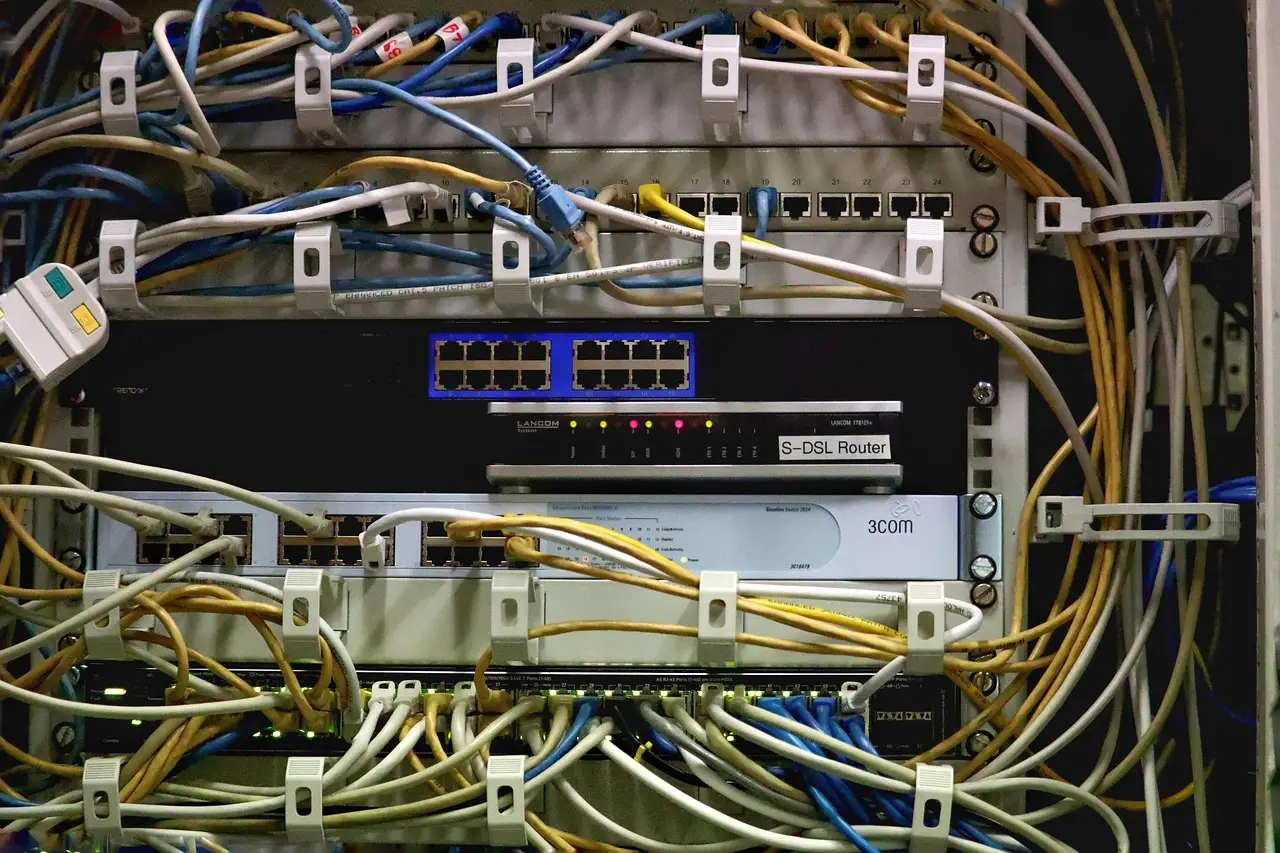
Texas has resumed approving data center projects after an August pause covering more than 1,800 projects and 474 gigawatts of new power requests.
Outgoing Republican governor Greg Abbott’s office issued the new directive. Its earlier pause followed concern about how much power the centers would require. The office said Abbott’s “top priority is to protect Texans’ safety and quality of life.”
Why the permit pause began
In August, Texas suspended approvals for new data center permits. That action placed 474 gigawatts of new power requests under the moratorium. By October, the state had suspended another 17 data center construction permits and shut down an automated portal that continued approving permits.
The portal is expected to reopen. Abbott’s office confirmed that the Electric Reliability Council of Texas, or ERCOT, had finished gathering information about how data centers affect local communities. ERCOT operates the state’s electrical grid.
Removing the portal block does not produce an instant permit flow, because new power requests remain slow even though the information-gathering pause has ended entirely. Developers still face a separate grid-connection process before projects can proceed on the schedule they planned.
What does the reversal change for developers?
Developers now have a window to pursue approvals before Democratic governor Gina Hinojosa arrives in January. The Financial Times reported that data center builders were rushing to obtain approvals before her administration takes office. Hinojosa has pledged to rein in new data center construction.
The practical effect is a reopened permit channel, not instant project clearance, because power-request processing remains slow and Hinojosa has promised tighter limits on new construction. Companies that need grid power face continued schedule risk, while developers with private generation can reduce their exposure to that bottleneck.
The timing also explains the permit rush. It creates pressure to act before the policy direction set by the incoming governor becomes clear. The reversal therefore changes access to the state’s approval process, but it leaves grid-connection timing and the next administration’s policy unsettled.
Private power changes the timetable
Some developers have already chosen to build their own power centers rather than depend entirely on the local grid. The goal is to reduce or eliminate grid reliance. Large regional gas supplies and a regulatory environment considered “lax” make gas turbines a viable option for developers seeking less dependence on the local grid.
Not every developer is staying with conventional gas generation. In Mississippi, Elon Musk’s xAI installed eight converted jet engines to power its data center, despite known health risks from their use. That example sits outside Texas, but it shows one path around grid constraints.
Private generation does not remove all local scrutiny. Residents remain concerned about the environmental effects of data centers and about higher electricity costs for their homes. The policy reversal addresses permit processing, not those local objections.
What outside states show
Texas is not alone in limiting data center growth. New York brought into force a one-year ban earlier this year on projects larger than 50 megawatts. In Northern Virginia, Amazon abandoned plans for four data centers after public outcry. The land will now be used for housing.
Those cases show two different pressure points: a size threshold set before construction and developers canceling projects after opposition becomes visible. For Texas developers, the immediate issue is whether the reopened process can deliver approvals before Hinojosa’s arrival; the longer issue is how grid demand, community concerns and residential power costs shape the next policy cycle.
The effect of Hinojosa’s administration on data center construction remains uncertain. ERCOT’s work supplies the requested information, but it does not settle the political dispute. The August pause and subsequent reversal leave the 1,800-plus project pipeline moving again, with gas generation and private power centers giving some developers a way to keep building.
via tomshardware.com (Source)
More from Marcus Bennett
Show full bio
News editor covering regulation, policy and their impact on hardware layer of artificial intelligence at Die Signal.
795 articles
Same lot
- Texas Restarts Data Center Permit Reviews, Clearing SpaceX's $24B Starbase Project
- Texas TCEQ Resumes Data Center Permits After ERCOT Grid Review
- Texas Data Center Pause: 13 GW Exposed as Hinojosa Prepares Office
- Texas Unfreezes Data Center Air Permits, SpaceX Lands 750 MW
- Oregon Governor Halts Data Center Pollution Permits Until July 2027