Test report DSG-7021 · Rev B · tested November 12, 2026
Supply Chain & PolicyDevice under test
Korea Signals Legal Force as Hanam Grid Talks Stall
KEPCO built 43 km of transmission line in H1 against a 253 km annual average. Seoul signals legal action if Hanam converter station talks fail on Nov. 17.
- Read
- 5 min
- Words
- 967
- Node
- 5nm
- Operator
- Elena Vasquez
Spec summary
- KEPCO completed 43 km of new transmission lines in the first half, against a 253.3 km annual average for 2016-2025 — 34% of a normal year
- All 43 km was 154-kV; no 345-kV or 500-kV HVDC line was completed in the half, and 22.9-kV distribution lines have fallen for five straight years
- Minister Kim Sung-hwan said legal procedures will follow if Hanam talks fail; the next negotiation session is set for Nov. 17
- Under the special act on the national backbone grid, 60 days of local-government silence deems KEPCO's implementation plan approved
- KEPCO put relocation to Baealmi-dong at at least 1 trillion won and six extra years; about 70% of transmission capacity due by 2030 remains unbuilt
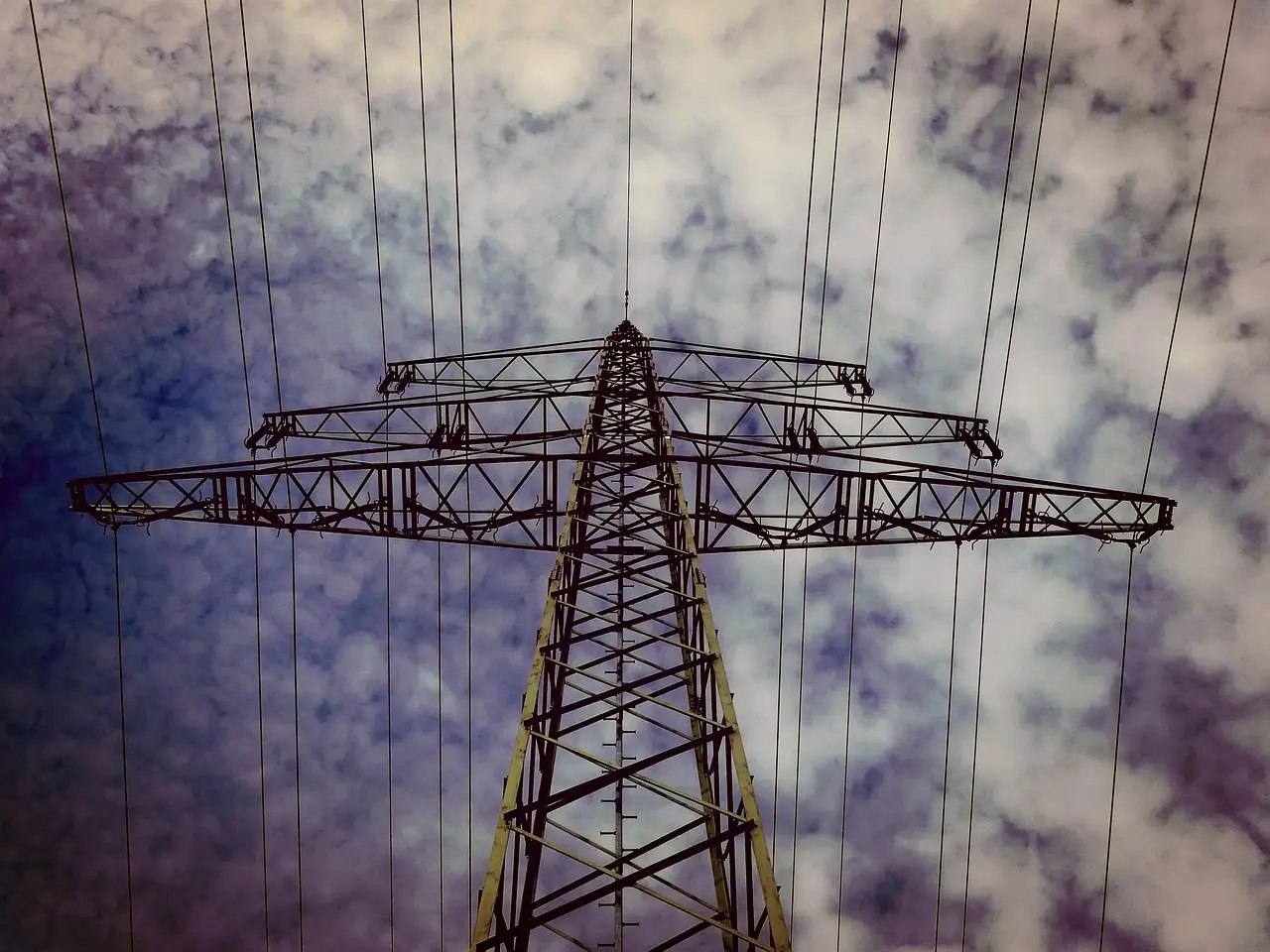
Only 43 kilometers of new transmission line went up in the first half of the year, against a 2016-2025 average of 253.3 kilometers annually — a pace that annualizes to just 34% of a normal year. On Nov. 11, the day KEPCO filed that figure with lawmakers, Climate, Energy and Environment Minister Kim Sung-hwan signaled the government will use legal procedures if negotiations over the East Seoul converter station in Hanam, Gyeonggi Province, fail.
The converter station is the core link for sending east-coast generation into greater Seoul, including the Yongin semiconductor cluster. KEPCO originally targeted completion around 2019. No ground has been broken, and construction has been effectively frozen for two years amid fierce opposition from residents near the substation site.
To break the deadlock, the ministry and KEPCO launched a two-month negotiation body with residents in August. It ran from Aug. 20 past its Oct. 27 deadline, convening more than the 16 sessions originally promised, and produced a "two-track" proposal. Its final scheduled session on Oct. 10 ended without a conclusion, raising the prospect of another indefinite delay.
Kim told reporters after inspecting a candidate substation site for the Honam semiconductor cluster in Seo District, Jeonnam-Gwangju Special Metropolitan City: "I think we will be able to reach an agreement on expanding the East Seoul converter station sometime in November, at a level residents can accept, one way or another. But if talks do not work out even after we do our best, we will have to go through legal procedures."
What does the special act actually do?
Kim's comments point to the enforcement provisions of the special act on the national backbone power grid. If a local government does not respond within a maximum of 60 days after KEPCO submits an implementation plan for a national backbone grid project, the plan is deemed approved and work may proceed. The ministry, KEPCO and residents agreed on Nov. 11 to meet again on the 17th. If no agreement emerges then, the government is expected to invoke the special act and restart the expansion.
Why is construction running at a third of pace?
KEPCO's data, submitted to the office of Rep. Lee Jong-bae of the People Power Party, a member of the National Assembly's Climate, Energy, Environment and Labor Committee, shows a steady slide:
- 398 km completed in 2023
- 328 km in 2024
- 143 km last year
- 43 km in the first half of this year
All 43 kilometers were 154-kV lines. Not one 345-kV line or 500-kV HVDC backbone was completed in the half. Meanwhile, 22.9-kV distribution lines, which deliver power from the transmission network to end users, have declined for five straight years after peaking at 5,327 km in 2021.
KEPCO says it aims to complete 245 kilometers by the end of the year. Reaching that number requires roughly 202 kilometers in the second half — nearly five times the first-half output.
Lee said: "The government has emphasized timely power supply, yet the results in securing grid capacity have been poor. If infrastructure is not built on time, the mega-projects the government has touted will amount to nothing more than empty promises."
One electrical construction official put the cause more bluntly: "These days, banners go up as soon as word spreads that a transmission project is merely under review. Resident opposition is becoming a constant rather than a variable in transmission projects."
What does the two-track proposal do?
Under the two-track approach, a third-party institution would assess the feasibility of relocating the converter station to Baealmi-dong, Hanam, as residents request, while administrative procedures for construction at the current site proceed in parallel. Supporters call it a compromise that gives residents time to test alternatives while the government advances the preliminary steps needed for construction.
The ministry and the office of Rep. Lee Kwang-jae of the Democratic Party of Korea, whose constituency covers Hanam, joined the body. Yet some residents still refuse to sign. At a Nov. 3 session held after the original deadline, considerable common ground reportedly formed around the two-track approach; objections resurfaced at the Nov. 10 meeting and the agreement went unsigned. A government official called the process arduous but said it has produced some results, and hopes the Nov. 17 meeting finds common ground.
Why relocation is the expensive option
Experts consider the Baealmi-dong site unrealistic. The area sits near Paldang Dam, which supplies drinking water to greater Seoul, and is designated a water source protection zone subject to various development restrictions. The current site already has security facilities in place and prepared ground; a new site means starting over with ground work.
The current site can make use of existing facilities. Relocation would require newly connecting not only the 500-kV HVDC transmission line but also distribution lines carrying electricity throughout greater Seoul. When KEPCO reviewed an alternative site near the one residents proposed, it estimated at least 1 trillion won and an additional six years — on top of the project's two-year standstill.
Where the crunch lands on chips
Industry officials warn that power and water will become bottlenecks for advanced industries in Hanam and nationwide. The Honam semiconductor cluster's first-phase power supply plan calls for only about 23 kilometers of transmission lines, and some question whether even that can be built on time. The 345-kV Singyeryong-Sincheonan transmission line, which plays a key role in supplying the Yongin semiconductor cluster, has run into trouble as well: its site selection committee was recently disbanded amid resident opposition. An analysis by the National Economic Advisory Council found that about 70% of the transmission capacity scheduled for completion by 2030 remains unbuilt for such reasons.
via en.sedaily.com (Source)
More from Elena Vasquez
Show full bio
Senior reporter covering people, launches and day-to-day practice in hardware layer of artificial intelligence at Die Signal.
675 articles
Same lot · LOT-3628
- DSG-458510nm3 GW by 2028: Korea Fast-Tracks Power for Honam Chip Fabs
- DSG-524820nmSouth Korea Built Just 34% of Its Normal Power Line Volume This Year
- DSG-579514nmSK Telecom Taps Hyosung Heavy for 15 GW Data Center Power Push
- DSG-142428nmKEPCO Posts 99 Billion Won Q3 Loss as Grid Bill Looms
- DSG-712045nmThailand freezes datacenter construction and permit approvals nationwide