Test report DSG-1424 · Rev C · tested November 14, 2026
AI Datacenter InfrastructureDevice under test
KEPCO Posts 99 Billion Won Q3 Loss as Grid Bill Looms
KEPCO posted a 99 billion won Q3 operating loss, its first in two years, as frozen tariffs collided with rising fuel costs — threatening the 55.3 trillion won grid build-out Korea's AI ambitions need.
- Read
- 3 min
- Words
- 586
- Node
- 28nm
- Operator
- Elena Vasquez
Spec summary
- KEPCO posted a 99 billion won operating loss in Q3, its first since Q3 2024.
- Consolidated operating profit fell 70.9% year on year to 1.6441 trillion won.
- KEPCO plans 55.3 trillion won in grid investment over five years for chips and AI demand.
- Liabilities stand at 209.6 trillion won; interest expenses hit 3.2 trillion won in nine months.
- Samsung and SK hynix declined KEPCO's proposal to prepay 25 trillion won in electricity bills.
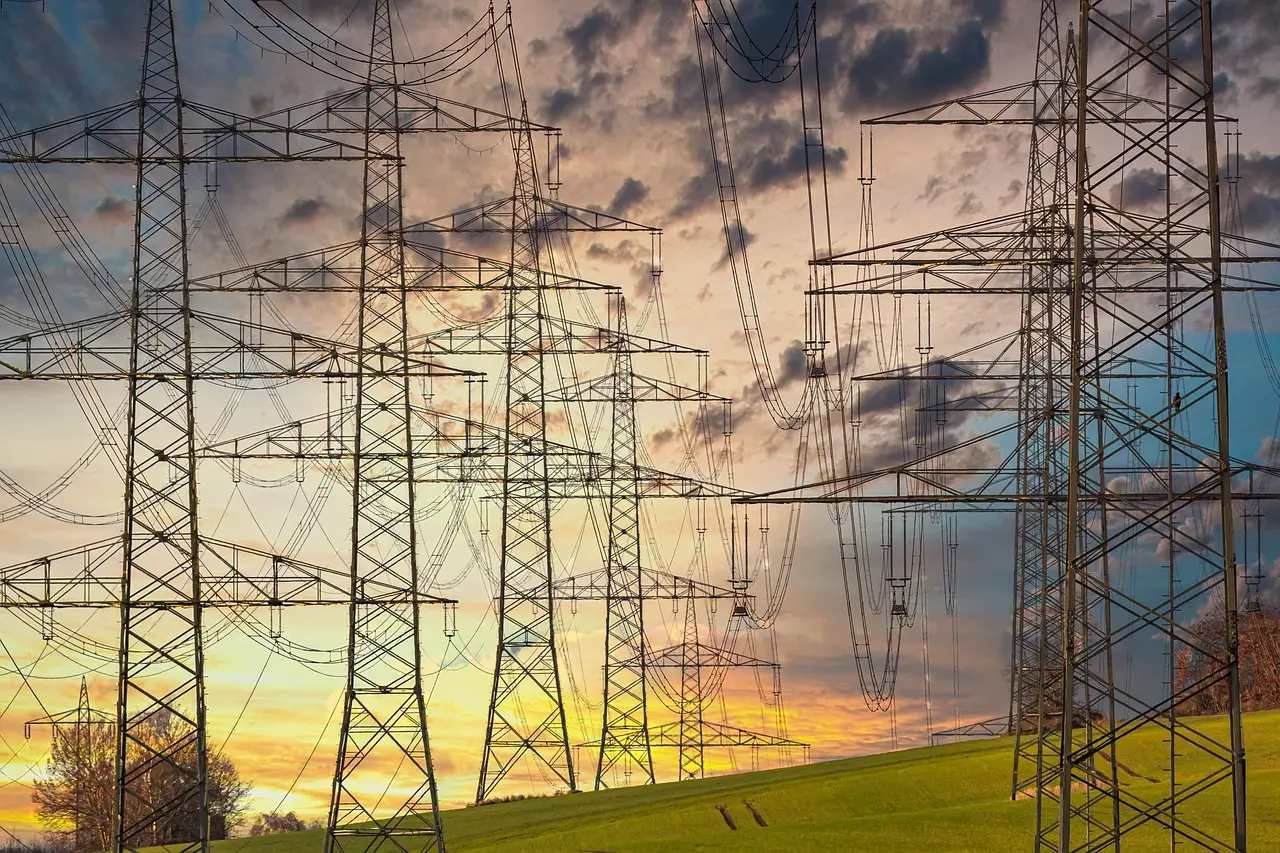
Korea Electric Power Corp. swung to an operating loss of 99 billion won in the third quarter — its first red quarter in two years — right when the country needs it to fund a 55.3 trillion won grid build-out for chips and AI. The figure, announced on the 12th, covers the parent company on a separate basis, excluding its generation subsidiaries. It's KEPCO's first loss since the third quarter of 2024.
On a consolidated basis, the picture isn't much better. Operating profit came in at 1.6441 trillion won, down 70.9% from a year earlier. That's a drop of roughly seven won in every ten of profit the utility earned last year.
What's driving the deterioration?
The core problem is frozen tariffs meeting rising fuel costs. Electricity rates stayed put even as international energy prices climbed because of the war in Iran. From January to September, fuel costs at KEPCO's generation subsidiaries and payments for power bought from private generators rose by 3.1041 trillion won year on year.
Revenue moved the wrong way too. Electricity sales fell by 1.1606 trillion won over the same period. Lower sales volume played a part, but the heavier burden was KEPCO's failure to pass enough of the fuel-cost rise on to rates.
The balance sheet tells the rest. As of the end of the third quarter, consolidated liabilities stood at 209.6 trillion won and borrowings at 132.8 trillion won. Interest expenses alone reached about 3.2 trillion won over the first nine months of this year.
Why does this matter for Korea's AI plans?
KEPCO's capacity to raise funds is shrinking exactly as grid investment demand surges. Factoring in power demand from semiconductor plants and AI data centers, the utility plans to invest 55.3 trillion won over the next five years in transmission and distribution networks.
That program now looks shaky. Operating profit is down, and the special exception raising the ceiling on KEPCO bond issuance expires at the end of next year. Refinancing maturing debt and raising new money could become difficult.
KEPCO tried one workaround already. It proposed that Samsung Electronics and SK hynix prepay 25 trillion won — equivalent to five years of electricity bills — to help repair its finances. The idea was not accepted.
What happens if the funding squeeze persists?
Left unaddressed, it could disrupt the timely build-out of the grid and the stable supply of electricity. Both are essential foundations for Korea's goal of becoming one of the world's top three AI powers. Even if the Honam semiconductor cluster — a planned chipmaking hub in southwestern Korea — breaks ground early, it will be useless unless the grid is laid in time.
What should policymakers do?
The prescription favored by critics of the status quo is structural, not incremental:
- Skip stopgaps such as another round of industrial rate increases or another lift of the KEPCO bond issuance ceiling
- Start a fundamental overhaul of the electricity pricing system
- Reflect costs in rates without delay
- Bring long-frozen residential rates in line with reality in stages, while strengthening support for vulnerable households
- Push KEPCO itself toward self-help measures, including asset sales and organizational streamlining
For practitioners, the signal is clear: Korea's AI and semiconductor expansion rests on a utility whose financing math currently doesn't work. Until the pricing system changes, every grid milestone tied to data centers and chip clusters carries schedule risk.
By Elena Vasquez
via en.sedaily.com (Source)
More from Elena Vasquez
Show full bio
Senior reporter covering people, launches and day-to-day practice in hardware layer of artificial intelligence at Die Signal.
589 articles
Same lot · LOT-362A
- DSG-386245nmKEPCO's Q3 Operating Profit Collapses 71% as Fuel Costs Bite
- DSG-108020nmSouth Korea Q3 GDP beats forecasts as chip exports lift growth
- DSG-926314nmKorea's Mega Projects Need 84 Trillion Won for Power and Water
- DSG-214328nmKorea's Memory Glut May Double as Leverage Against China
- DSG-537265nmKorea Upgrades Economy to 'Solid Growth', Flags AI Policy as Top Risk