Test report DSG-4585 · Rev D · tested November 17, 2026
Foundries & ManufacturingDevice under test
3 GW by 2028: Korea Fast-Tracks Power for Honam Chip Fabs
Seoul targets 3 GW of power for the Honam chip complex by end-2028, a year early, with substation work starting in January and 300,000 tons of daily water via Dongbok Dam expansion.
- Read
- 3 min
- Words
- 618
- Node
- 10nm
- Operator
- Amara Osei
Spec summary
- Government targets 3 GW of electricity supply to the Honam complex by end-2028, one year ahead of the original 2029 schedule.
- Substation construction is set to begin in January next year; the first substation covers power for two fabs.
- Dongbok Dam will supply 300,000 tons of water per day — 250,000 tons from expansion plus 50,000 tons of existing surplus.
- About 280 households must relocate for the dam expansion; residents requested 1.5–2 million won per household monthly stipends.
- First fab is targeted for operation in 2030.
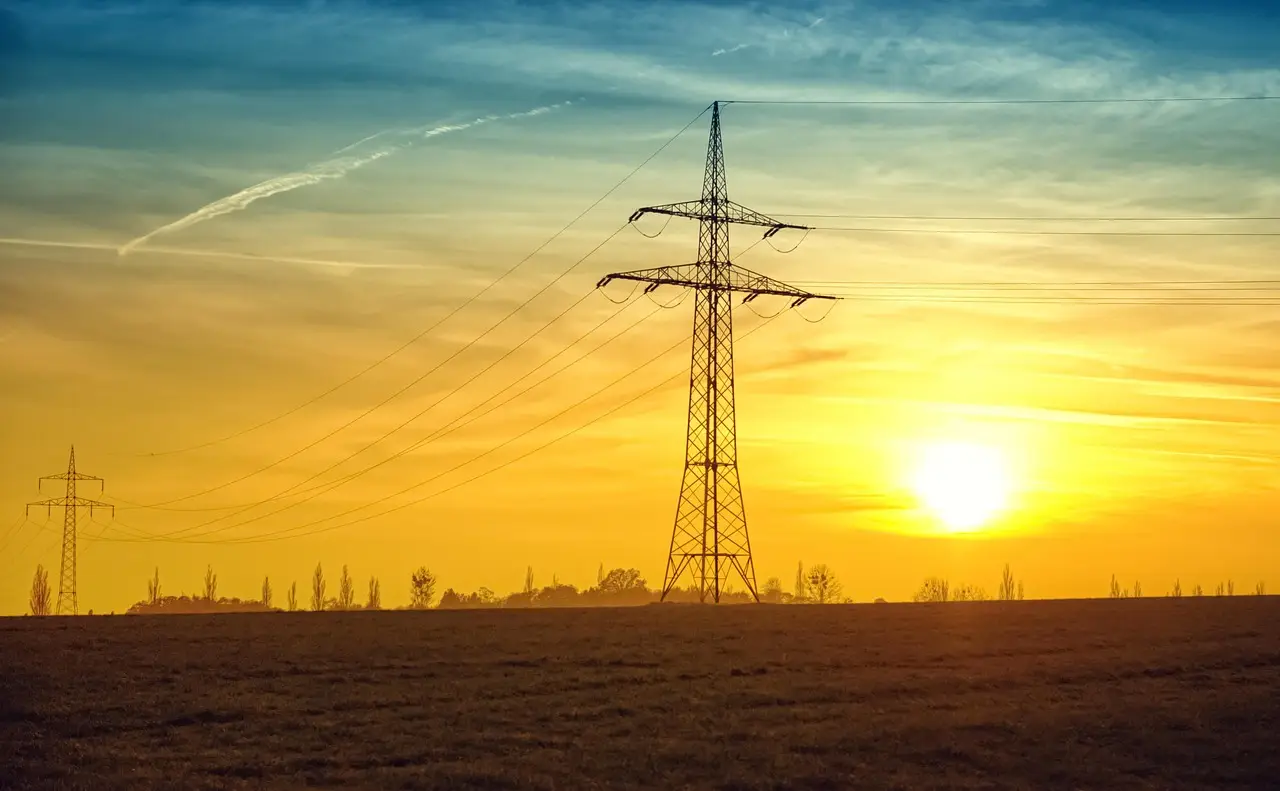
South Korea's government will supply 3 gigawatts of electricity to the Honam semiconductor industrial complex by the end of 2028, a full year ahead of the original end-of-2029 target, to keep the first fab on track for operation in 2030. Kim Sung-hwan, minister of climate, energy and environment, ordered advance preparations on November 11 so substation construction can begin in January next year.
Kim toured candidate substation sites in Seo-gu, Gwangju, and addressed the schedule directly: "We will make sure that building semiconductor plants is not delayed because of the power and water that the ministry is responsible for."
What does the accelerated timeline change?
The first-phase power grid for the Honam complex is now slated for completion by the end of 2028, one year earlier than initially planned. Kim said the substation location will be decided within this year, once Samsung Electronics (005930) and SK hynix (000660) finalize their fab layouts. He urged officials on site to accelerate preparations so construction can start immediately after fab locations are set.
The first substation is designed to handle enough power for two fabs. The government will build it first, then prepare a second-phase supply plan and additional substations in line with the companies' fab layouts and scale.
The transmission line project has secured an exemption from a preliminary feasibility study, and design services are being tendered. Vertical shaft work begins in January. Site use proceeds only after consultations and approvals from the Ministry of National Defense and the Ministry of Land, Infrastructure and Transport.
The infrastructure now has dates attached: grid by end-2028, first fab running in 2030.
Can equipment delivery hold up the schedule?
The National Assembly has flagged one variable: manufacturing a new transformer alone can take two to three years. Kim said the power supply schedule will face no disruption, but he did not present specific measures to secure delivery.
For the transmission lines themselves, Kim committed to following laws and procedures and consulting residents to improve acceptance. He said expectations among residents are high because high-value-added jobs will come to the Honam region, and that the government would seek understanding over construction-period inconveniences.
How will water reach the complex?
The Dongbok Dam is the key water source, set to supply 300,000 tons of water per day to the complex. The plan adds 250,000 tons secured through dam expansion to an existing surplus of 50,000 tons. The proposal calls for a new dam about 15 meters higher than the current one, built downstream of the existing structure. The project is at the basic-planning stage, with resident consultations under way before construction.
Korea Water Resources Corporation aims to publish a basic plan in the first half of next year. If that holds, full-scale compensation begins in the second half. In August this year, a planned resident briefing was postponed to allow for additional support measures residents had requested.
What do relocating residents want?
The expansion requires about 280 households to relocate. Kim met affected residents from the Dongbok Dam area at a community center in Hwasun County, where discussions focused on compensation and livelihood measures.
Residents called for a "shared-benefit stipend" of 1.5 million to 2 million won per household per month, citing:
- property losses from long-running restrictions;
- the loss of existing support, such as direct payments, after relocation;
- difficulty finding work for older residents.
Kim said direct cash stipend payments were virtually impossible. The government will look for alternatives, including "solar income," under which revenue from solar power generation is shared with residents.
Power has a fixed 2028 deadline; the terms for 280 displaced households remain open.
via en.sedaily.com (Source)
More from Amara Osei
Show full bio
Staff writer covering money, funding and market shifts around hardware layer of artificial intelligence at Die Signal.
698 articles
Same lot · LOT-362D
- DSG-96745nmSK hynix approves $38.3bn for two memory fabs in South Korea
- DSG-55643nmNo Firms Exiting Honam Chip Cluster, Korea's Minister Says
- DSG-70215nmKorea Signals Legal Force as Hanam Grid Talks Stall
- DSG-62523nmSamsung Sets November Groundbreaking for Second Taylor Fab
- DSG-524820nmSouth Korea Built Just 34% of Its Normal Power Line Volume This Year