Test report DSG-5851 · Rev D · tested November 17, 2026
AI Datacenter InfrastructureDevice under test
GS Group, POSCO Seal MOU on AI Data Center Steel Supply
GS Group and POSCO signed an MOU in Seoul on the 11th, pairing GS's data center build-and-operate capability with POSCO's steel materials tech, with a 2.4 GW target in Donghae.
- Read
- 3 min
- Words
- 650
- Node
- 28nm
- Operator
- Grace Kim
Spec summary
- GS Group and POSCO signed an MOU on AI data center cooperation on the 11th at GS Tower in Seoul's Gangnam District, attended by about 10 officials including GS Vice Chairman Hong Soon-ki and POSCO President Lee Hee-keun.
- GS plans 1.2 GW of AI data center capacity at Bukpyeong No. 2 General Industrial Complex in Donghae, Gangwon State, in phases starting in 2028, plus another 1.2 GW for 2.4 GW total.
- The project is led by GS AI Infra, with GS E&C (006360) on design and construction, GS Caltex on liquid cooling and GS Global (001250) on overseas networks.
- The companies will form a group-level working committee covering equipment supply chain, technology development and overseas projects.
- POSCO set up a future demand development office this year targeting new industries including AI data centers and power grids.
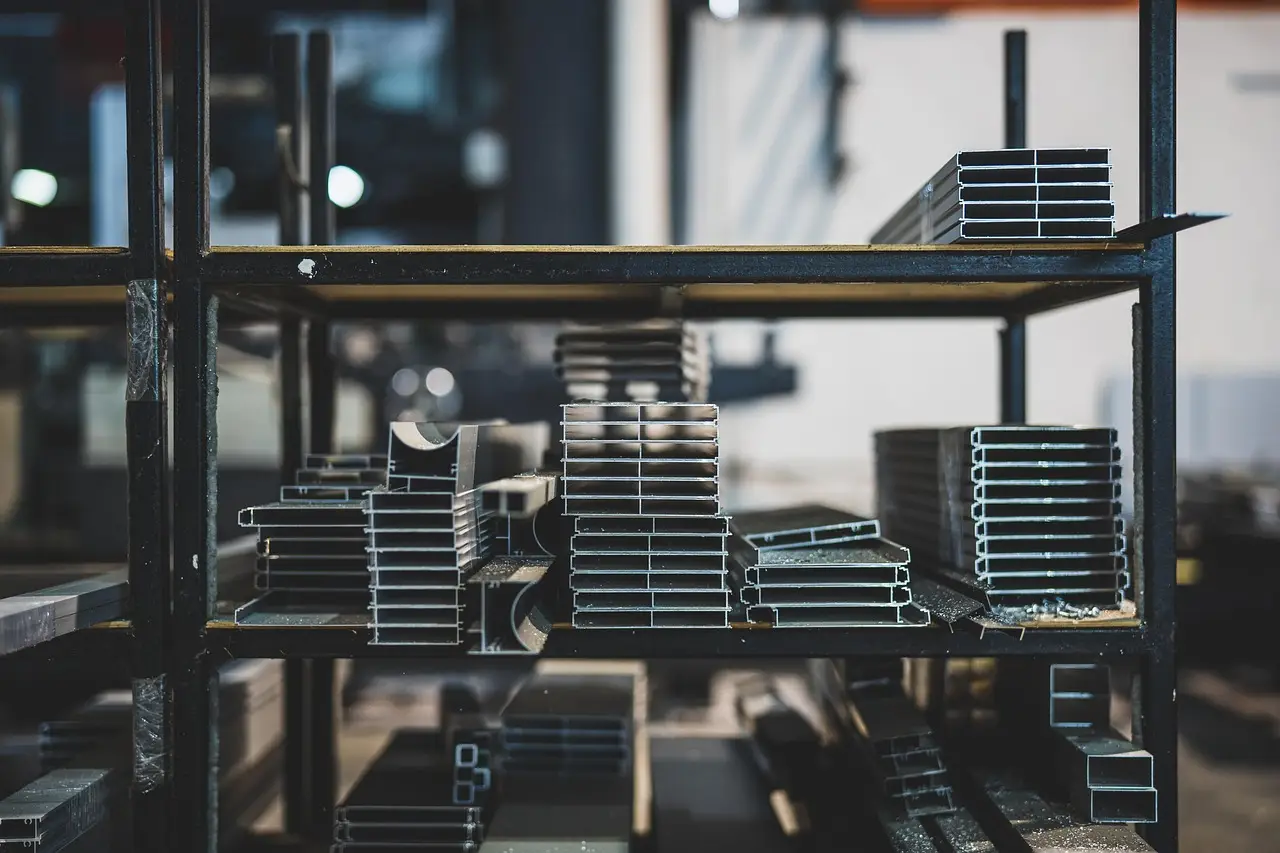
GS Group (078930) and POSCO signed a memorandum of understanding (MOU, a non-binding cooperation agreement) on the AI data center business on the 11th at GS Tower in Seoul's Gangnam District, with roughly 10 key officials in the room — GS Group Vice Chairman Hong Soon-ki and POSCO President Lee Hee-keun among them. The two sides said the pact pairs GS's data center construction and operating capabilities with POSCO's steel materials technology to meet surging global demand for AI data centers. GS separately targets 2.4 gigawatts (GW) of capacity in Donghae, Gangwon State, beginning with 1.2 GW in 2028.
What does the steel angle change?
The companies agreed to jointly identify solutions that strengthen the long-term operational competitiveness of data centers by linking high-efficiency steel materials with design and cooling technologies tailored to data centers. Three targets:
- Lower operating costs
- Better space efficiency
- Improved durability of equipment and materials
Those are the three levers a mill can actually pull. Structural steel sets the frame; cooling hardware and power distribution set the running cost. The commercial logic is that data center buyers now grade suppliers on lifecycle cost rather than the delivered price of steel alone, which lets a steelmaker compete for a larger share of the build package.
How large is the GS buildout?
GS Group is pushing a large-scale AI data center at the Bukpyeong No. 2 General Industrial Complex in Donghae, Gangwon State, led by GS AI Infra, a company dedicated to AI data centers. GS plans to complete 1.2 GW of capacity in phases starting in 2028 and to secure an additional 1.2 GW, expanding the total to 2.4 GW.
The group intends to maximize synergies across its own affiliates:
- Power and energy capabilities within GS Group
- GS E&C (006360) for design and construction
- GS Caltex for liquid cooling
- GS Global (001250) for overseas networks
What happens with overseas projects?
Both companies plan to use the overseas business networks of GS Global and POSCO to identify global AI data center development demand early, and to jointly pursue supply of materials and equipment for overseas projects along with related business opportunities. After the signing, the two sides will set up a group-level working committee to define detailed cooperation tasks: building an equipment supply chain, developing technologies and solutions, and jointly addressing overseas projects. No volumes, prices or project list accompanied the announcement.
What does POSCO get out of it?
POSCO has designated AI data centers as a key area that will drive future steel demand and is strengthening its capabilities in the business. After setting up a future demand development office this year to find demand in new industries such as AI data centers and power grids, it has been expanding development of high value-added steel materials and solutions ranging from structural materials for data center buildings to equipment for power and cooling systems.
What does this change for data center supply chains?
It adds a second sourcing route. For developers and general contractors hunting for structural and cooling-related equipment outside the usual vendor channels, a Korean operator paired with a Korean steelmaker opens a combined bid rather than two separate ones. For POSCO, it converts steel demand forecasting from a cyclical industrial exercise into a bet on a specific end market with a named domestic project to anchor it. For GS, it supplies the material and equipment package for its own 2.4 GW program and for third-party sites overseas.
The limits are worth stating plainly. An MOU commits both sides to a working committee, not to contracted tonnage or a delivery schedule, and neither company disclosed a completion date for the second 1.2 GW block beyond the 2028 start of the first phase. Treat the steel-and-cooling linkage as a plan under committee until orders appear.
via en.sedaily.com (Source)
More from Grace Kim
Show full bio
Market editor covering regulation, policy and their impact on hardware layer of artificial intelligence at Die Signal.
665 articles
Same lot · LOT-362D
- DSG-579514nmSK Telecom Taps Hyosung Heavy for 15 GW Data Center Power Push
- DSG-35273nmSamsung SDS Breaks Ground on 60MW AI Data Center as LG CNS Opens Jakarta Facility
- DSG-51497nmLG CNS completes 30 MW AI data center in Jakarta, a first for Korea abroad
- DSG-252665nmGorilla Technology Targets US Entry With 6MW Data Center Buy
- DSG-478520nmBritish AI Firm Nscale Targets Two or More Data Centers in Korea