Test report DSG-3527 · Rev F · tested November 2, 2026
AI Datacenter InfrastructureDevice under test
Samsung SDS Breaks Ground on 60MW AI Data Center as LG CNS Opens Jakarta Facility
Samsung SDS starts a 60MW AI data center in Gumi, expandable to 120MW by 2028. LG CNS completes a 30MW Jakarta facility, pre-sold and scalable to 400MW.
- Read
- 3 min
- Words
- 622
- Node
- 3nm
- Operator
- Marcus Bennett
Spec summary
- Samsung SDS broke ground on a 60MW AI data center in Gumi, expandable to 120MW, due for completion by end of 2028.
- The Gumi project is the first outcome of Samsung's 60 trillion won Yeongnam investment plan announced in July.
- LG CNS completed a 30MW hyperscale AI data center in Jakarta, fully pre-sold, with planned expansion to 400MW.
- The Jakarta facility supports rack densities above 300kW and combines LG Electronics cooling with LG Energy Solution batteries.
- LG CNS targets Asia-Pacific expansion into Malaysia, Thailand, Vietnam, the Philippines and Japan.
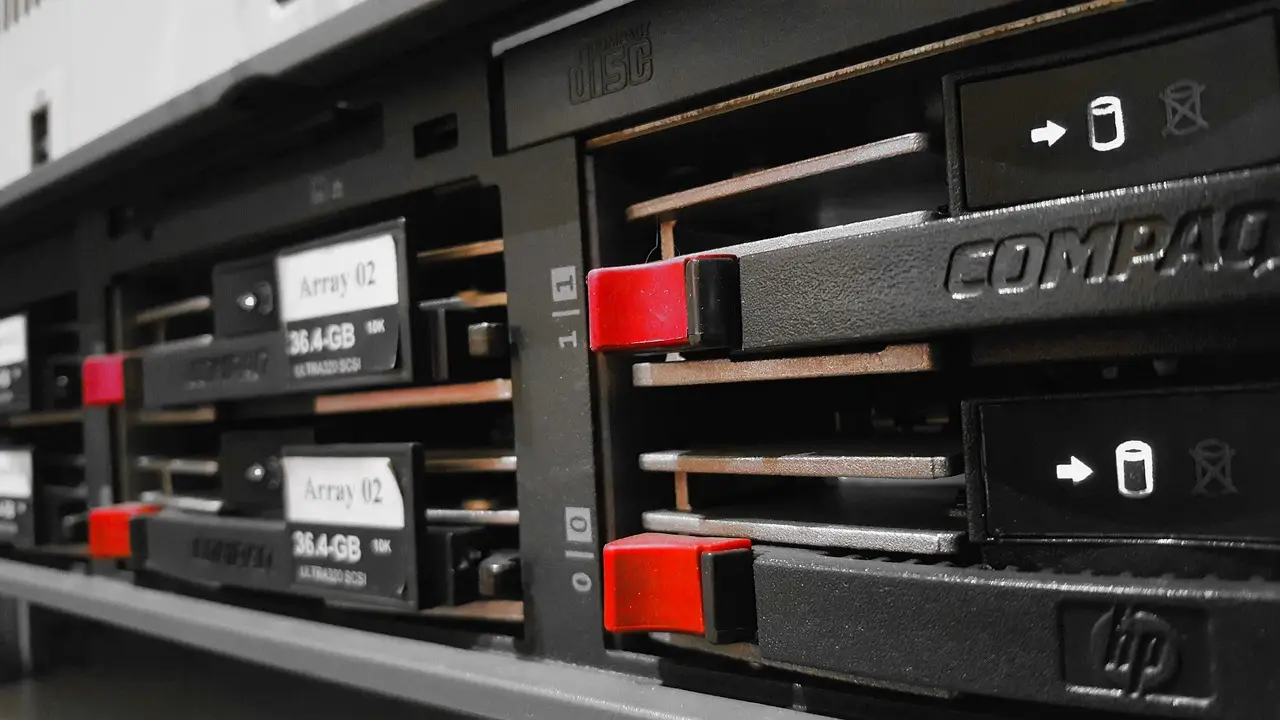
Samsung SDS has started building a 60MW AI data center in Gumi, North Gyeongsang Province, expandable to 120MW, with completion targeted by the end of 2028. LG CNS announced the same day, the 2nd, that it has completed a 30MW hyperscale AI data center in Jakarta, Indonesia, with its full capacity already sold to customers before opening.
Both announcements landed on the same date and point in the same direction: Korean IT service majors are moving from building data centers to operating AI infrastructure as a business.
What is Samsung SDS building in Gumi?
The Gumi facility sits on roughly 14,000 pyeong of land in Gongdan-dong, Gumi City. The design starts at 60MW of power capacity. Samsung SDS can double that figure to 120MW if AI demand keeps growing.
The company received groundbreaking approval in late August. Construction is underway now. Completion is expected by the end of 2028.
The site will use hybrid cooling that combines air-cooled and water-cooled methods. That choice reflects the technical problem at the core of the story: high-performance GPU servers draw heavy power and generate heavy heat, and cooling architecture determines what the facility can actually host.
Samsung SDS plans two business lines at the site. It will run its own GPU operations. It will also offer colocation, where customers install their own equipment in the building. Samsung affiliates will also use the facility for their robot transformation, or RX, business.
How does it fit Samsung's 60 trillion won plan?
The Gumi groundbreaking is the first visible outcome of Samsung's 60 trillion Korean won investment plan for the Yeongnam region, announced in July. That plan covers several assets:
- the Gumi AI data center
- humanoid robots
- all-solid-state batteries in Ulsan
- package substrates for AI servers in Busan
Samsung's stated goal is to build the Yeongnam region into a global physical AI innovation cluster, with robotics as the anchor. Gumi is the first concrete piece.
What does LG CNS gain from Jakarta?
LG CNS completed a 30MW-class hyperscale AI data center in Jakarta. The company secured customers for the entire capacity before finishing construction, which removes the usual occupancy risk from a project of this scale.
The project drew on LG CNS's design, build and operate (DBO) capabilities, packaged with hardware from group affiliates: LG Electronics supplied air conditioning systems and LG Energy Solution supplied batteries. LG CNS brands this as a "One LG" integrated solution.
The technical numbers matter for future deals. The first phase uses air cooling, with liquid cooling planned for later phases. The power system handles densities above 300kW per rack, a threshold built for high-density GPU deployments rather than conventional enterprise workloads. Once all phases are complete, total power capacity should reach 400MW.
Jakarta is a foothold, not the destination. LG CNS plans to push into the wider Asia-Pacific market, naming Malaysia, Thailand, Vietnam, the Philippines and Japan as targets.
What does this change for the AI infrastructure market?
The two projects share a logic. Cooling and power density, not floor space, now define a competitive AI data center. Both companies are investing in hybrid or staged cooling and high-density power delivery because GPU servers demand it.
Both are also shifting the business model. Construction alone is a one-time contract. Samsung SDS wants operating revenue from its own GPUs, colocation tenants and robot workloads. LG CNS wants to sell design, construction and operation as a package, then replicate it across Southeast Asia.
For buyers of AI capacity, the practical effect is more supply in two markets at once: Korea's Yeongnam corridor from 2028, and Southeast Asia sooner, through the Jakarta facility and its planned 400MW buildout.
via Google News: GPU datacenter (Source)
More from Marcus Bennett
Show full bio
News editor covering regulation, policy and their impact on hardware layer of artificial intelligence at Die Signal.
591 articles
Same lot · LOT-3609
- DSG-912265nmSamsung SDS starts building 120MW Gumi AI data center in South Korea
- DSG-51497nmLG CNS completes 30 MW AI data center in Jakarta, a first for Korea abroad
- DSG-55437nmSamsung's Giheung HBM expansion could cost 30 trillion won
- DSG-64405nmSamsung Breaks Ground on $4.1 Billion Asan Packaging Plant
- DSG-628820nmFirmus to deploy 170,000-GPU cluster in Batam, Indonesia