Test report DSG-7409 · Rev B · tested November 2, 2026
Processors & AcceleratorsDevice under test
Global Mobile Chip Shipments Fell 20% in Q3 2026
Global mobile chip shipments fell 20% year-on-year in Q3 2026 as memory costs spiked. Apple hit 21% SoC share and Samsung's Exynos rose to 8%, Counterpoint reports.
- Read
- 2 min
- Words
- 481
- Node
- 5nm
- Operator
- Marcus Bennett
Spec summary
- Global mobile chip shipments dropped 20% year-on-year in Q3 2026, per Counterpoint Research.
- MediaTek led with 28% share; Qualcomm held 22%; Apple's A-series reached 21%; UNISOC took 13%.
- Samsung's Exynos ranked fifth with 8% share, up from 6% in Q3 2025.
- Counterpoint forecasts SoC shipments to fall 20% in 2026 and another 3-4% in 2027.
- Samsung is expected to use Exynos 2700 in next flagships, with Exynos in the Galaxy S27 Pro in most regions.
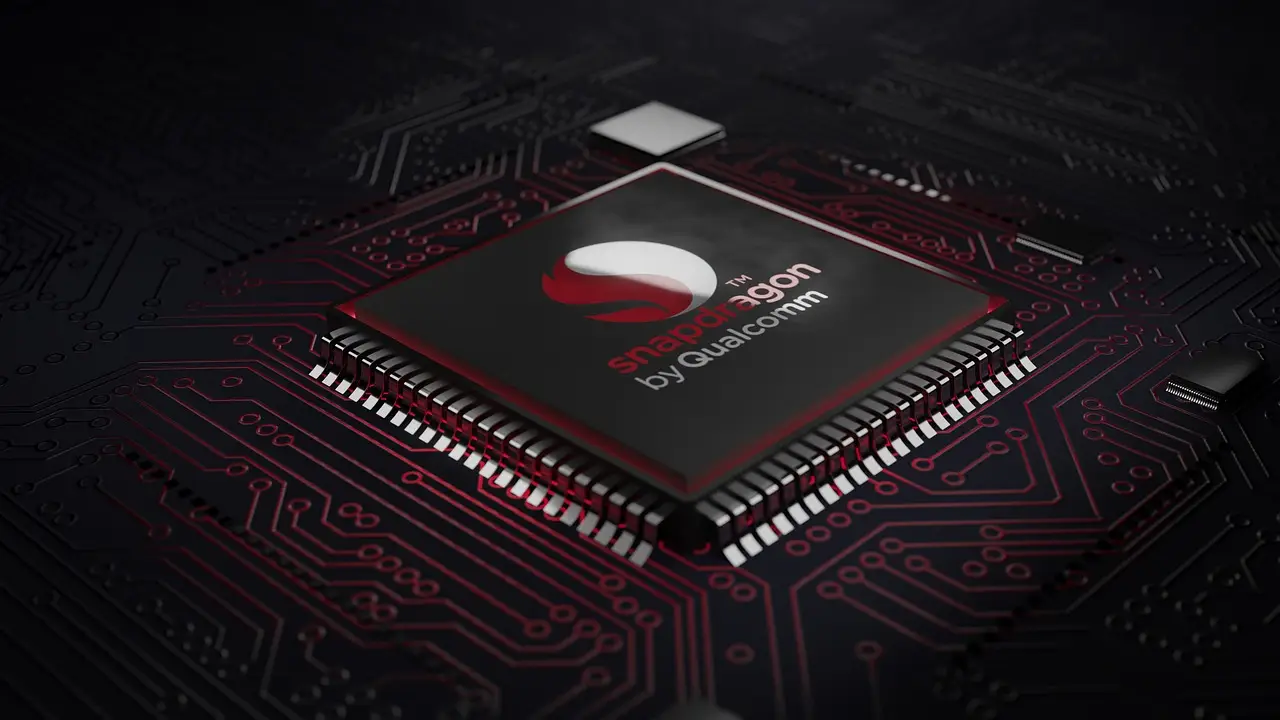
Global mobile chip shipments dropped 20% year-on-year in Q3 2026, according to Counterpoint Research. Rising memory costs drove the decline, and the budget and mid-range smartphone segment absorbed the biggest hit.
Apple and Samsung moved against the trend. Both vendors gained ground while mobile chip leaders Qualcomm and MediaTek lost share during the quarter.
What does the drop mean for chipmakers?
MediaTek kept its market lead with 28 percent share. Qualcomm followed at 22 percent, and UNISOC held 13 percent globally.
The squeeze comes from memory prices. Memory costs continue to spike, and those costs hit affordable devices hardest. As smartphone prices climb, consumers now keep their phones longer.
The era of frequent smartphone upgrades is over. Mobile owners prefer holding their existing device until it fails or a genuine technical breakthrough arrives. That shift in behavior cuts demand for the chips that power non-premium phones, and it reshapes which vendors win share.
How did Apple and Samsung gain?
Apple's A-series chips seized 21 percent of the worldwide mobile SoC market. The gain came from a decline in sales of affordable Android phones, which handed the iPhone maker room to capitalize.
Samsung expanded adoption of its in-house Exynos silicon across segments. The Galaxy S26 series did the heavy lifting, surging shipments and market share for the Exynos 2600 chipset.
In Q3 2026, Samsung's Exynos operation ranked as the fifth-largest mobile SoC vendor. Its share reached 8 percent, up from 6 percent in Q3 2025 — a two-point gain in twelve months built on flagship volumes rather than budget growth.
What comes next for Samsung's silicon?
Samsung is expected to use the Exynos 2700 in its next flagships. The Galaxy S27 Pro could also ship with Exynos inside in most regions, potentially lifting Samsung's mobile application processor share further.
That would extend a clear pattern: Samsung is pushing its own designs into more devices and more markets, reducing reliance on Qualcomm at the top end of its lineup.
What does 2027 look like?
Counterpoint expects global smartphone SoC shipments to decline by 20 percent year-on-year for full-year 2026. A further drop of 3 to 4 percent is forecast for 2027.
Memory prices should keep rising, but the research firm expects price volatility to moderate next year compared with 2026. Some relief is on the horizon, even if costs stay elevated.
Flagship SoCs are expected to remain broadly stable in 2027 despite higher prices tied to migration to 2nm process nodes. Rising memory and component costs will continue to add pressure elsewhere in the bill of materials.
The practical read
The market is splitting. Premium silicon holds steady while budget and mid-range chips shrink. Vendors with in-house designs — Apple and Samsung — gain a buffer against memory cost inflation that fabless chip suppliers and their customers cannot ignore.
via Google News: DRAM chip (Source)
More from Marcus Bennett
Show full bio
News editor covering regulation, policy and their impact on hardware layer of artificial intelligence at Die Signal.
591 articles
Same lot · LOT-3609
- DSG-964210nmQualcomm, Arm Hit by Memory Crunch as AI Data Center Push Falls Short
- DSG-17875nmSamsung Reclaims DRAM Lead With 38% Share as Market Nears $200 Billion
- DSG-659128nmSamsung Targets $80B Quarterly Profit as Memory Prices Bite
- DSG-935728nmSamsung Projects 107.4 Trillion Won Quarterly Profit on AI Chip Demand
- DSG-748714nmSamsung Q3 Preliminary: Operating Profit Passes 100 Trillion Won