Test report DSG-6591 · Rev B · tested October 8, 2026
Memory & StorageDevice under test
Samsung Targets $80B Quarterly Profit as Memory Prices Bite
Samsung is on track for a quarterly profit near $80 billion as memory prices climb, shifting costs onto OEMs and data center buyers of DRAM and NAND.
- Read
- 3 min
- Words
- 574
- Node
- 28nm
- Operator
- Marcus Bennett
Spec summary
- Samsung targets a quarterly profit of roughly $80 billion
- Rising DRAM and NAND prices drive the result
- Memory buyers — OEMs and data center operators — bear the increased costs
- Higher component prices are expected to feed through to hardware prices
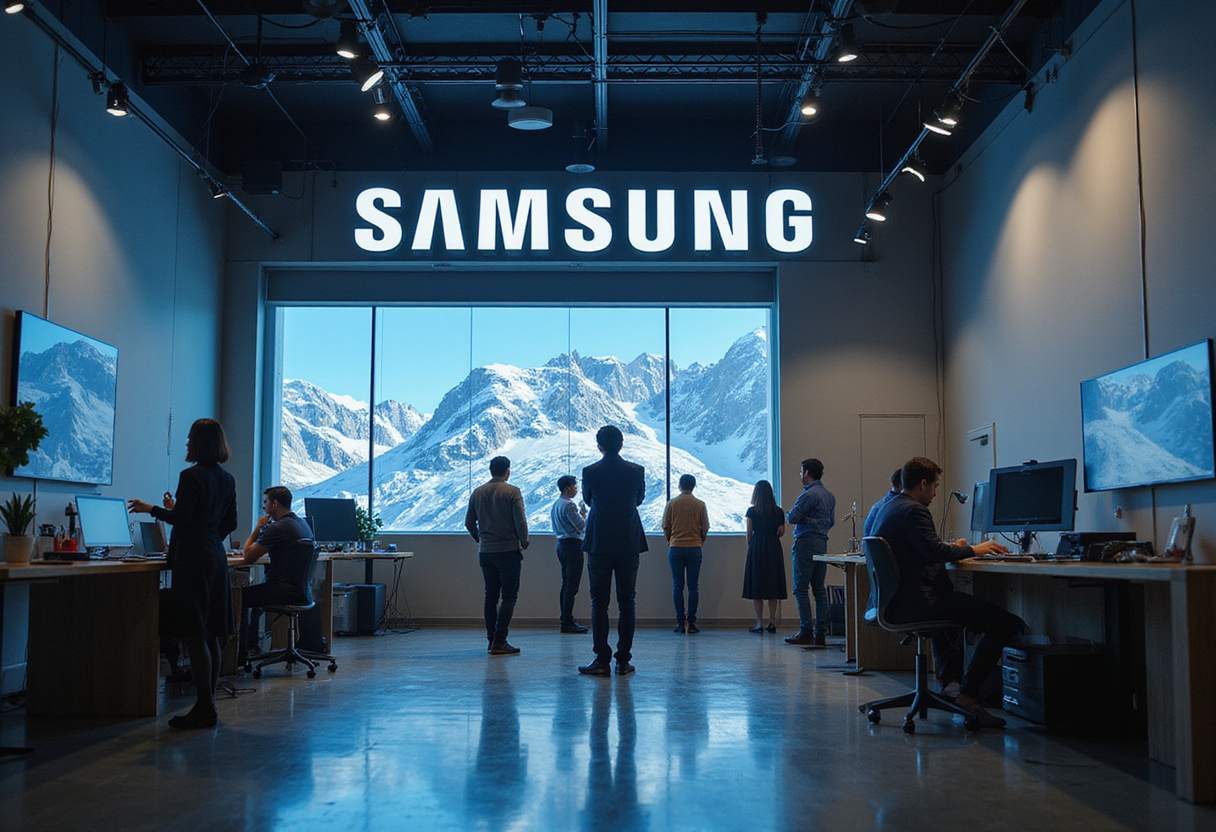
Samsung is on track for a quarterly profit in the region of $80 billion, as surging memory prices push the cost of DRAM and NAND firmly onto the balance sheets of device makers and enterprise buyers.
The figure, reported by The Register, marks the sharpest expression yet of a memory market that has swung decisively in favor of suppliers. Buyers — from PC and smartphone manufacturers to hyperscale data center operators — now absorb the price increases that fund Samsung's windfall.
Why are memory prices rising now?
The current cycle follows the familiar mechanics of the semiconductor memory business: constrained supply meets accelerating demand. Manufacturers have kept a tight grip on output, while orders from AI infrastructure builders and server vendors continue to climb. The result is straightforward pricing power for the handful of companies that control global DRAM and NAND production, with Samsung — the largest of them — capturing the largest share of the upside.
For buyers, the consequences land directly in component budgets. Every additional dollar of Samsung's quarterly profit corresponds to higher contract prices paid by OEMs, which typically feed through to end-user hardware costs over the following quarters.
What does an $80B quarter signal?
A profit of that magnitude in a single quarter signals that memory has moved from a cyclical commodity back to a strategic bottleneck. Three implications stand out:
- Buyer leverage has collapsed. OEMs negotiating supply contracts face suppliers who can pick and choose among customers.
- Cost pass-through is coming. Hardware vendors that cannot absorb component inflation will raise prices on servers, PCs, and mobile devices.
- Investment decisions will follow price. Sustained supplier profitability invites capacity expansion, which historically precedes the next downturn.
Who pays the price?
The Register's framing — "memory buyers pay the price" — identifies the losers in this cycle with precision. Data center operators building AI clusters face the steepest exposure, since memory represents a growing share of the bill of materials for training and inference hardware. PC and smartphone makers confront the same arithmetic at smaller scale.
End customers ultimately stand at the end of that chain. When memory contract prices rise, finished-goods prices follow, unless vendors choose to compress their own margins instead.
How long can the cycle run?
Memory markets have always moved in waves, and this one will not break the pattern. High prices fund new fabrication capacity; new capacity eventually outpaces demand; prices then fall until the cycle resets. The open question is timing.
For now, the signals point to continued supplier strength. Demand from AI infrastructure remains robust, and Samsung's projected quarterly result demonstrates that supply has not caught up. Buyers planning procurement over the next several quarters face a market tilted against them.
Procurement teams respond with the tools available: longer-term supply agreements, forward buying, design adjustments that reduce memory content per unit, and diversification across suppliers where genuine alternatives exist. None of these eliminates the underlying cost pressure; they only shape when and how it lands.
The bottom line
Samsung's expected $80 billion quarter quantifies the transfer of value from memory buyers to memory suppliers in the clearest possible terms. The number will anchor negotiations, budget planning, and hardware pricing decisions across the industry until supply conditions change.
For anyone purchasing systems that contain DRAM or NAND — which is to say, nearly everyone — the practical takeaway is simple: budget for higher memory costs now, and expect finished hardware prices to reflect them.
via Google News: HBM memory (Source)
More from Marcus Bennett
Show full bio
News editor covering marketplaces and e-commerce at Die Signal.
95 articles
Same lot · LOT-C1AF
- DSG-159465nmSamsung Profit Jumps Nearly Nine-Fold on Memory Chip Windfall
- DSG-407820nmSamsung Profit Jumps Nearly Ninefold, Driven by Memory Chips
- DSG-290728nmSamsung Operating Profit Jumps 783% to Record US$80 Billion
- DSG-88577nmSamsung Q3 Profit Set to Jump Nearly Nine-Fold on AI Chip Demand
- DSG-560710nmSamsung Posts Record Profit on Memory Chip Demand