Test report · tested November 19, 2026
Memory & StorageDevice under test
Furukawa Electric sues LG Chem over chip packaging film patents
Furukawa Electric filed a patent infringement suit against LG Chem on Oct. 30 at the Seoul Central District Court, seeking a sales halt on dicing and die-bonding films used in memory packaging.
- Read
- 3 min
- Words
- 562
- Segment
- Memory & Storage
- Operator
- Marcus Bennett
Spec summary
- Patent infringement suit filed at the Seoul Central District Court on Oct. 30.
- Furukawa Electric announced the filing on the 17th, per Nihon Keizai Shimbun.
- Accused products: dicing and die-bonding films used in back-end semiconductor packaging.
- Relief sought: a halt to the sale of the accused products.
- Patents cover packaging productivity technology aimed primarily at memory chips.
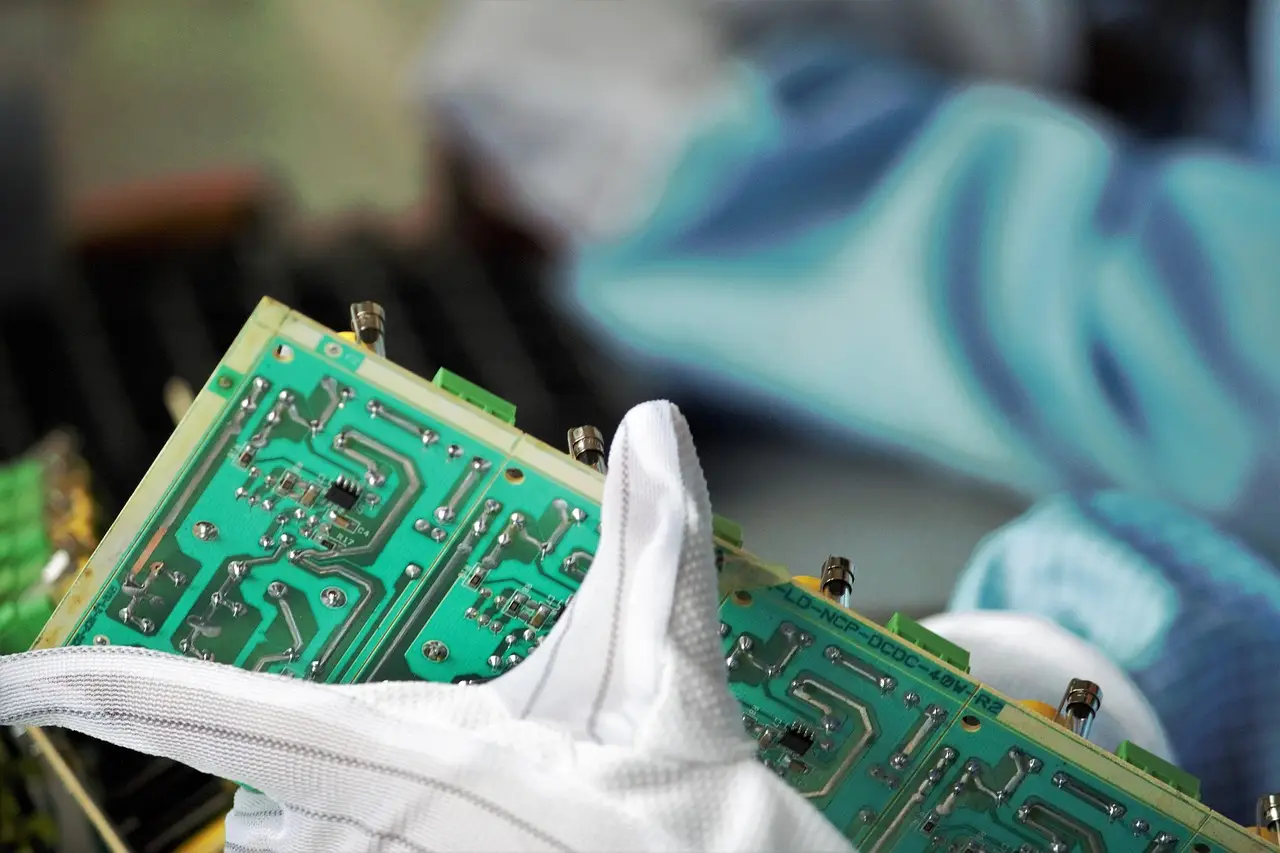
Furukawa Electric filed a patent infringement suit against LG Chem at the Seoul Central District Court on Oct. 30, seeking a halt to sales of two semiconductor packaging materials: dicing films and die-bonding films. The Japanese materials maker announced the filing on the 17th, according to Nihon Keizai Shimbun, which reported the case alongside other foreign media.
The claim reaches the adhesive layer used in back-end semiconductor manufacturing. These films connect chips to substrates, and their importance rises as memory chip output expands. That places a direct legal conflict between Furukawa Electric and LG Chem (051910.KS), a South Korean supplier of semiconductor process materials.
What are dicing and die-bonding films?
Both products sit in the back end of chip production, after the wafer has been fabricated. Dicing film holds the wafer in place while individual die are cut apart. Die-bonding film fixes a separated chip onto the substrate that carries its electrical connections. Together they act as adhesives in assembly and packaging.
They matter most in memory. Memory packaging depends on tight, repeatable bonding, and productivity gains there translate into more packaged units from the same equipment. Growth in the memory chip market therefore raises the commercial weight of these films. Competition in chip materials has intensified on the back of that growth.
What did Furukawa Electric allege?
- Filed at the Seoul Central District Court on Oct. 30.
- Alleges LG Chem infringed Furukawa Electric patents in the production and sale of dicing and die-bonding films.
- Seeks a halt to the sale of the accused products.
- The patents cover technology that improves productivity in semiconductor packaging, primarily for memory chips.
Furukawa Electric described the action as an infringement claim over semiconductor materials. Nihon Keizai Shimbun reported the announcement, and foreign media outlets carried the same report. The filing date, the court and the accused products are the firm points of the case.
Why Seoul?
A Seoul court is the natural venue for a claim against a Korean company that asks the court to stop sales at home. The filing also arrives while memory demand is expanding, which raises the value of the packaging step these two films serve. The dispute lands in the segment where revenue growth and legal exposure now move together.
What does the suit change for LG Chem?
It changes the risk profile of LG Chem's film business, not yet its output. The company faces an allegation that it infringes Furukawa Electric patents in the production and sale of both films, plus a request for a sales halt. If a Korean court granted the injunction, it would constrain sales of the accused products in LG Chem's home market.
The report gives no damages figure, no trial date and no ruling. The suit remains a claim rather than a verdict, and LG Chem has not commented in the coverage. For Furukawa Electric, the filing converts packaging productivity patents into a commercial lever in the segment the memory boom is expanding.
For buyers of chip materials, the practical question is narrow: whether LG Chem can keep selling these films in Korea while the case runs. The answers will come in the court's schedule, any interim sales order and whatever response LG Chem files. For the wider materials market, the signal is that memory-era capacity is pulling legal disputes into back-end packaging.
via en.sedaily.com (Source)
More from Marcus Bennett
Show full bio
News editor covering regulation, policy and their impact on hardware layer of artificial intelligence at Die Signal.
752 articles
Same lot
- Micron's HBM Expansion Lifts Korean Chip Suppliers; Hanmi TC Bonder in Focus
- SK hynix Reportedly Struggles With HBM Hybrid Bonding
- China Narrows the Gap with Korean Chipmakers in NAND and DRAM
- Samsung Electro-Mechanics Signs 360.5 Billion Won Memory Substrate Deal
- Samsung, Broadcom Expand Partnership Into Memory and Foundry