Test report DSG-2234 · Rev E · tested October 10, 2026
Memory & StorageDevice under test
SK hynix Reportedly Struggles With HBM Hybrid Bonding
A TechPowerUp report says SK hynix faces difficulties with HBM hybrid bonding and now trails Samsung in the advanced packaging technique critical for future HBM generations.
- Read
- 2 min
- Words
- 452
- Node
- 45nm
- Operator
- Elena Vasquez
Spec summary
- SK hynix reportedly faces difficulties with HBM hybrid bonding
- The report places Samsung ahead of SK hynix in hybrid bonding readiness
- No yield figures, timelines or affected HBM generations were disclosed
- Neither company has publicly confirmed the reported process gap
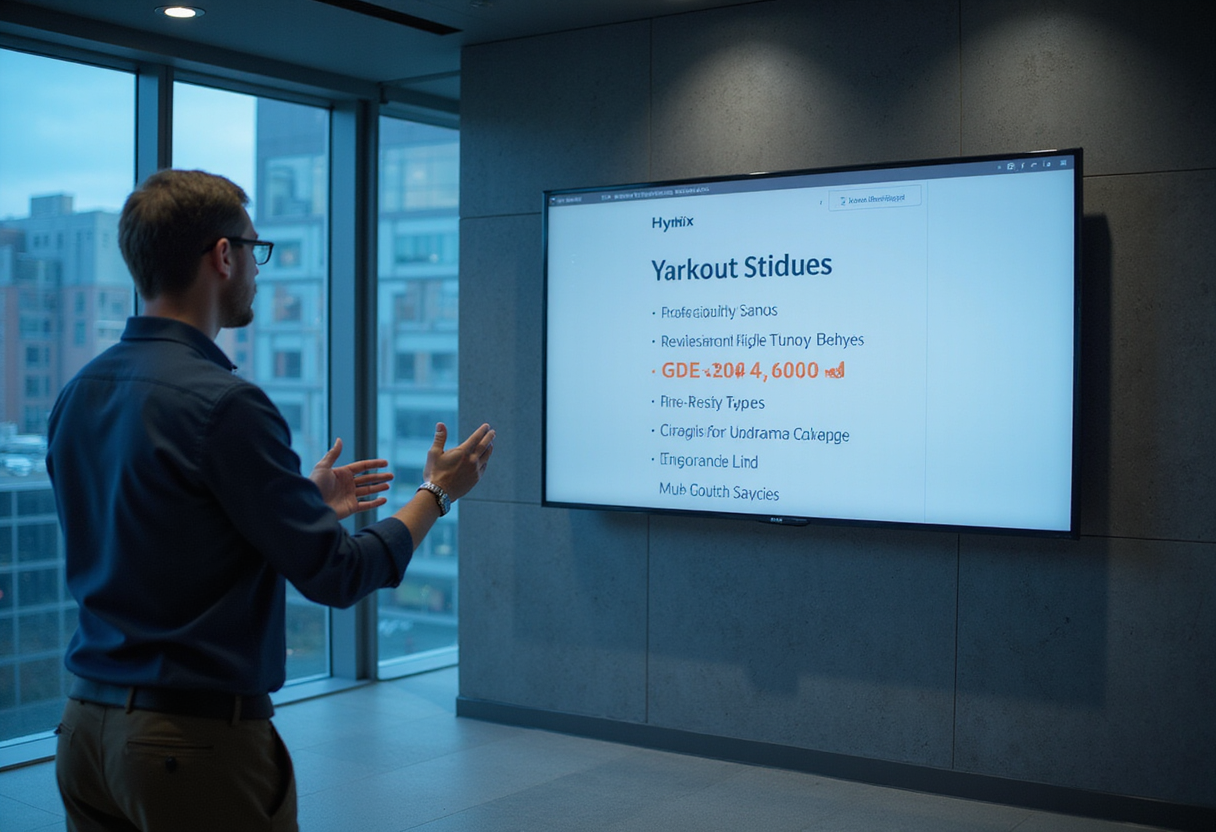
SK hynix, the world's leading supplier of high-bandwidth memory (HBM), is reportedly running into difficulties with hybrid bonding, an advanced chip-packaging technique expected to become critical for future HBM generations. According to the report, the company now trails Samsung in this specific process technology.
The claim comes via a TechPowerUp item summarizing industry reporting on the two Korean memory giants. No quantitative details — yield figures, timelines, or product generations — were disclosed in the report itself.
What is hybrid bonding?
Hybrid bonding is a packaging method that connects memory dies using direct copper-to-copper bonds instead of the micro-bumps used in conventional stacking. The technique shortens interconnect pitch dramatically, which matters as HBM stacks grow taller and data rates climb.
For HBM manufacturers, the process is a candidate for future generations where thermally and electrically constrained bump-based stacking reaches its limits. Difficulties in qualifying the process early can translate into delayed product ramps once the technology becomes a market requirement.
Who benefits if the report holds?
Samsung has been working to claw back share in the HBM market, where SK hynix has held the lead position, particularly in supply to AI-accelerator customers. If Samsung has genuinely moved ahead on hybrid bonding readiness, that would mark a rare instance of the company holding an edge over its rival in a technology area tied directly to next-generation HBM.
The report frames the situation as process-related rather than demand-related. That distinction matters for buyers: a packaging bottleneck constrains supply capability independent of wafer capacity or end-market demand.
What remains unconfirmed
The sourcing is a single aggregated report, and neither SK hynix nor Samsung has publicly commented on hybrid bonding readiness in the terms described. Key open questions include:
- Which HBM generation the reported difficulties would affect
- Whether the gap affects qualification timelines with major AI-chip customers
- Whether SK hynix's current bump-based stacking output remains unaffected in the near term
Until either company or its customers confirm the status of hybrid bonding development, the report should be treated as indicative rather than settled fact.
Why the technology matters now
The AI accelerator segment continues to consume the bulk of HBM output, and packaging capability has become a competitive differentiator alongside raw bit capacity. Reports of a process gap between the two Korean suppliers — in either direction — move expectations for who captures next-generation sockets.
SK hynix has built its HBM position on being first to qualify new generations with leading accelerator vendors. A packaging-technology deficit, if real, would test that pattern for the first time in several product cycles.
"Die Signal" will continue to track confirmation or rebuttal from the companies involved.
via Google News: HBM memory (Source)
More from Elena Vasquez
Show full bio
Senior reporter covering industry trends and analytics at Die Signal.
247 articles
Same lot · LOT-C1C6
- DSG-210510nmSK hynix Reportedly Lags Samsung in HBM Hybrid Bonding
- DSG-22085nmSK hynix Reportedly Trails Samsung in HBM Hybrid Bonding Race
- DSG-25935nmSamsung, SK Pivot Memory Back-End to Vietnam, India, Philippines
- DSG-91507nmSamsung Secures 70% of HBM Memory Capacity Through 2031
- DSG-56945nmMicron's HBM Expansion Lifts Korean Chip Suppliers; Hanmi TC Bonder in Focus