Test report DSG-5564 · Rev E · tested November 10, 2026
Foundries & ManufacturingDevice under test
No Firms Exiting Honam Chip Cluster, Korea's Minister Says
Industry Minister Kim Jung-kwan says no firms are withdrawing from the Honam chip cluster, with the fab layout set for November and first-fab construction still on track for 2028.
- Read
- 3 min
- Words
- 585
- Node
- 3nm
- Operator
- Elena Vasquez
Spec summary
- Minister Kim Jung-kwan denied on the 10th that any firms are withdrawing from the Honam chip cluster.
- The fab layout will be finalized in November, followed by a signing ceremony for the industrial complex.
- First fab construction is slated for 2028, with mass production targeted around 2030.
- Rival fabs in the U.S., Japan and China are being completed within two years, Kim noted.
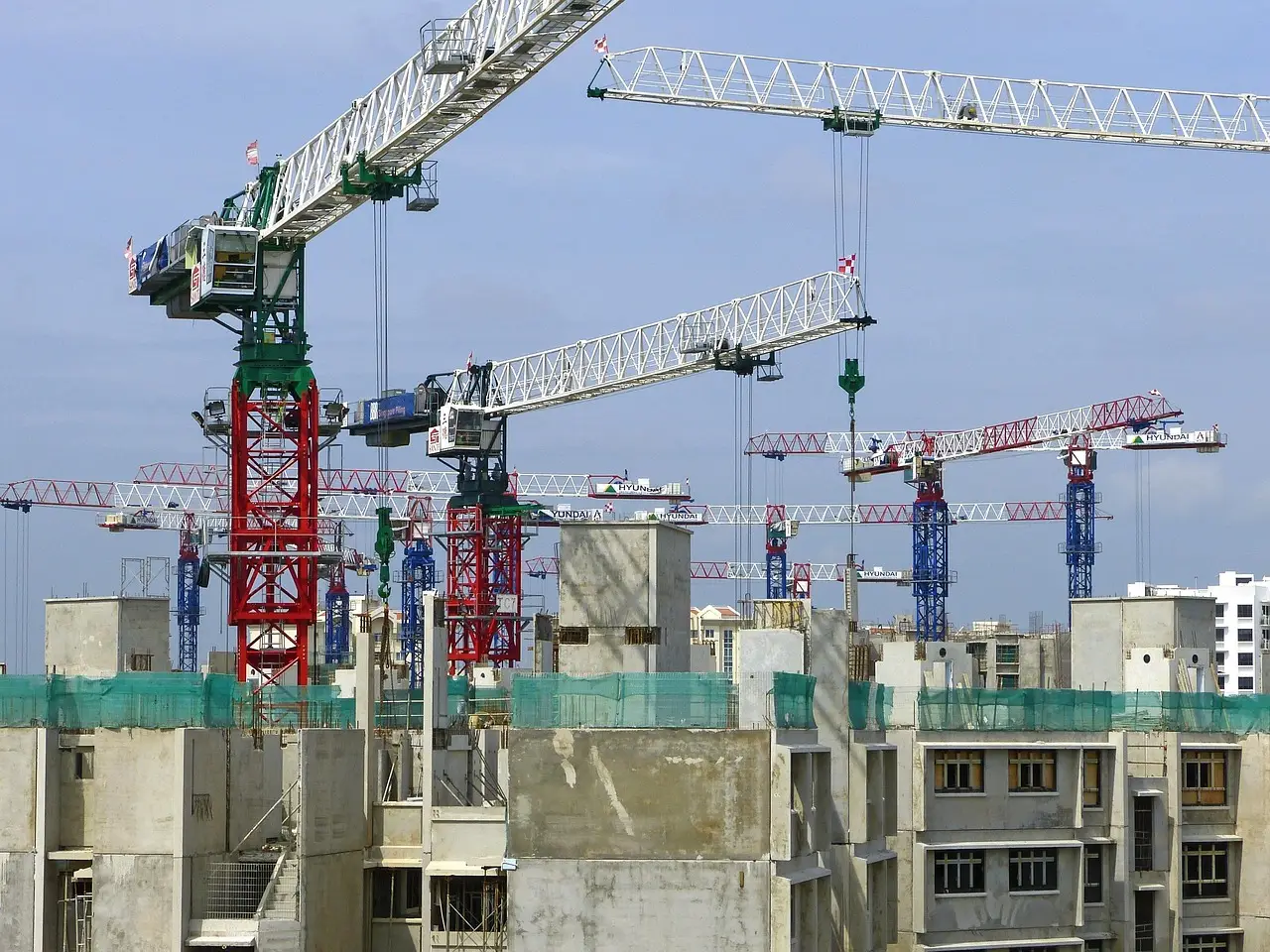
Korea's industry minister has flatly rejected claims that companies are pulling out of the Honam semiconductor cluster, telling lawmakers on the 10th that the opposite is true: investors want the project built faster.
"That is not the case at all," Industry Minister Kim Jung-kwan said at a plenary session of the National Assembly's Special Committee on Budget and Accounts, responding to suggestions that firms are withdrawing investment plans because the cluster was decided too hastily. "Companies want to get this done as soon as possible."
Kim went further, arguing the timetable may actually be lagging. Given the vast amounts of capital that competing countries are pouring into the chip industry, he said, the project may even be overdue.
Why does fab speed decide the winner?
The minister's core argument was simple: construction pace is market power. "How quickly we complete semiconductor fabs is closely tied to who holds the upper hand in the chip industry," Kim told the committee.
He pointed to the benchmark set by rivals. Fabs under construction in the U.S., Japan and China are being finished within two years — a pace that puts pressure on any Korean project that drags through permitting and site preparation.
"Companies also recognize that they need to secure fabs quickly, which is why we moved to prepare the Honam-area semiconductor cluster," he said.
For practitioners, that framing signals the government sees schedule compression as the main deliverable, not just land allocation. If your planning assumptions assume a slower ramp, the ministry's message is to revise them.
What happens in November?
The next concrete milestone is the fab layout. Kim said the arrangement of fabs within the Honam cluster will be settled soon, and he gave a date.
"Once the fab layout is finalized in November, we plan to hold a signing ceremony for the industrial complex," he said.
Beneath that milestone, work is already moving, according to the minister. "A number of issues — how to build out the cluster's power and water infrastructure, and how companies will arrange their fabs — are moving along briskly below the surface," he said.
That's the practical layer suppliers and utilities will care about most. Power and water build-out for a multi-fab cluster is typically a multi-year effort in itself, so decisions made in the next weeks determine who gets contracts and when.
When does construction actually start?
Here the minister was deliberately less precise. On specific timelines, including the start of site development work, he declined to commit.
"There are still some uncertain elements, so it is difficult to give a single answer," Kim said, adding that the government would "announce the overall outline within a reasonable time frame after consultations among ministries."
What hasn't moved is the headline schedule. The plan to begin construction of the first fab in 2028 and start mass production around 2030 remains unchanged, the minister confirmed.
That leaves a two-step picture for the industry: a firm near-term milestone — layout finalized and a signing ceremony in November — sitting on top of a longer-range target that keeps first production at the start of the next decade.
The uncertainty Kim acknowledged sits entirely in the middle: the stretch between the November ceremony and the 2028 construction start, where site development, infrastructure contracts and ministry-level coordination still need to fall into place. Watch for the inter-ministerial outline announcement; that's the document that will fill the gap between ceremony and shovel.
via en.sedaily.com (Source)
More from Elena Vasquez
Show full bio
Senior reporter covering people, launches and day-to-day practice in hardware layer of artificial intelligence at Die Signal.
589 articles
Same lot · LOT-3626
- DSG-35743nmAnalyst: Musk Chip Fab Plan Poses No Near-Term Threat to TSMC
- DSG-794314nmJapan Pours Fresh State Money Into Rapidus for 2nm Push
- DSG-611910nmChina Narrows the Gap with Korean Chipmakers in NAND and DRAM
- DSG-129545nmJapan Approves Plans for TSMC 3 nm Fab
- DSG-957128nmSamsung weighs 30 trillion won Giheung expansion for HBM