Test report · tested November 25, 2026
Device under test
U.S. Caps Korea Tariff at 15% in Section 301 Overcapacity Probe
The USTR will cap tariffs on all Korean products at 15%, netting out an existing 12.5% forced-labor duty, while floating a 25% fallback and naming semiconductors, autos and petrochemicals.
- Read
- 3 min
- Words
- 567
- Segment
- —
- Operator
- Grace Kim
Spec summary
- USTR announced up to 15% tariffs on all Korean products in the Federal Register on the 25th.
- Korea's trade surplus with the U.S. passed $100 billion; Seoul pledged up to $200 billion in U.S. investment to secure the 15% ceiling.
- China faces up to 20% additional tariffs, rising to the 40% range if the truce lapses after Jan. 10 next year.
- Objections close Jan. 5, 2027; the public hearing is set for Jan. 25.
- Of 16 Section 301 investigations opened, only 14 were covered by announced tariffs, excluding Mexico and Norway.
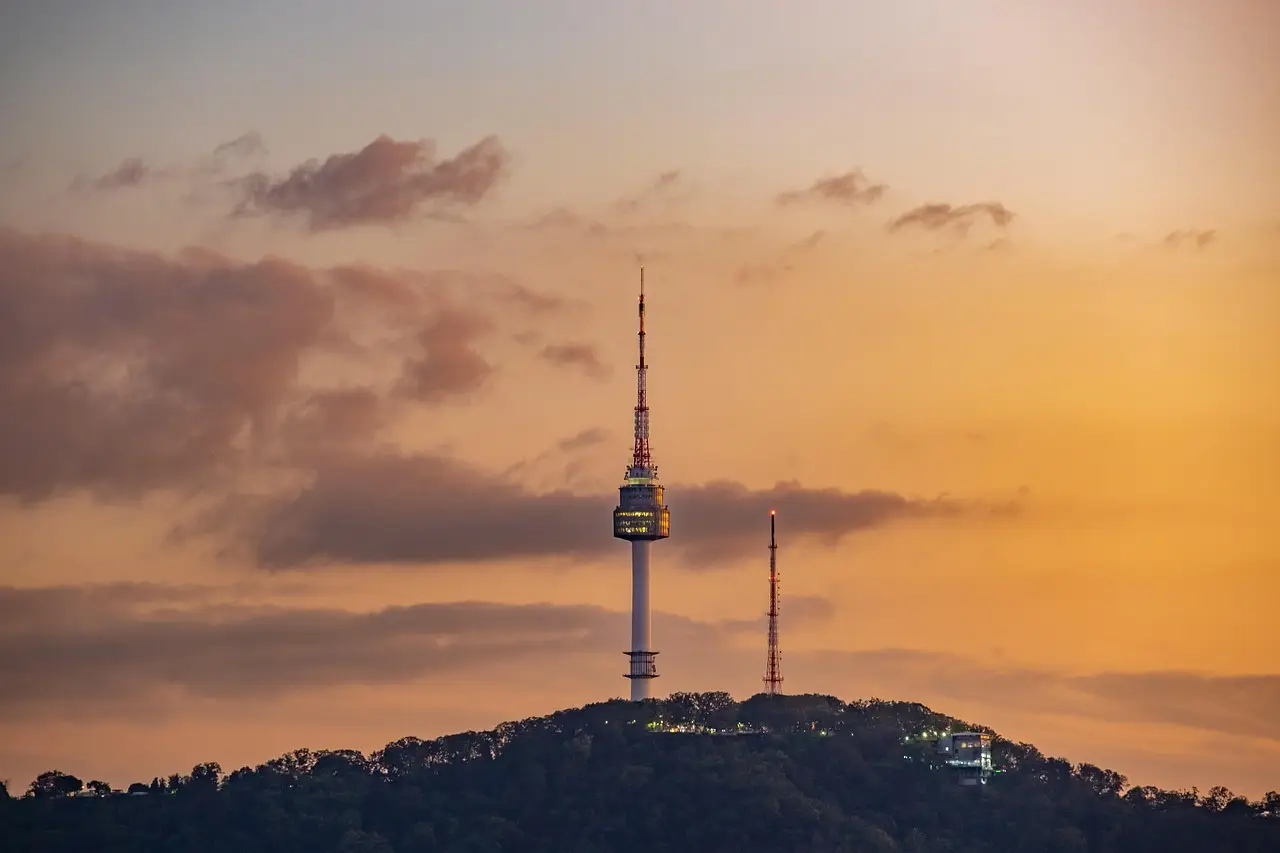
The U.S. Trade Representative said it will impose tariffs of up to 15% on all South Korean products, capping duties at the ceiling Seoul secured in negotiations rather than stacking new charges on top of existing ones. The finding, published in the Federal Register on the 25th, closes out a Section 301 investigation (a U.S. trade-law probe into foreign practices deemed harmful to American industry) into overcapacity.
When the new tariff takes effect, most-favored-nation duties and existing Section 301 tariffs will be netted out. Washington had already imposed a 12.5% tariff on Korea through a separate Section 301 probe based on forced labor, so the new duty will not be added on top. The USTR left one caveat: the rate could rise to 25% if future tariff consultations prove unsatisfactory.
Why did the USTR act?
The agency cited four grounds for its finding that Korea engages in overcapacity:
- sector-specific policies to expand manufacturing;
- preferential lending by state-owned banks;
- imports and foreign direct investment from non-market economies;
- a lack of effort to address global overcapacity.
These practices, the USTR argued, have weakened U.S. manufacturing, exports and jobs. It singled out three industries for pronounced overcapacity: semiconductors, automotive and petrochemicals. All three are major Korean export sectors that generate large surpluses with the U.S.
What does this change for Seoul?
Relief, mostly. Korea brought the ceiling down to 15% by pledging up to $200 billion in investment in the U.S., but concern had grown that Washington might raise tariffs again after a surge in exports pushed Korea's trade surplus with the U.S. past $100 billion.
"Maintaining the 15% ceiling is better than a good outcome — it is an exceptional one," Industry and Trade Minister Kim Jung-kwan said. "Had we faced a surplus of this size without the tariff negotiations and the U.S. investment we have carried out so far, the burden would have been hard to imagine."
How do other countries fare?
The 15% cap extends to Japan, the European Union and other economies that concluded tariff agreements with the U.S. China is the outlier: it faces an additional tariff of up to 20% on top of existing duties.
The China math hinges on the trade truce. While it holds, the current 20% ceiling stays in place until Jan. 10 next year. If the truce is not extended, tariffs on Chinese goods rise to the 40% range.
The U.S. opened Section 301 overcapacity investigations into 16 countries and economies in total. The announced tariffs cover only 14. Mexico and Norway were excluded.
Can Korea fight the finding?
Yes, through the objection procedures built into Section 301. The Ministry of Industry and Trade plans to rebut the issues the USTR raised. Parties objecting must submit requests to appear at a public hearing and written comments by Jan. 5, 2027. The hearing is scheduled for Jan. 25. The USTR will implement the announced tariff rates only after completing these procedures.
"We will communicate closely with the U.S. and faithfully carry out follow-up measures," a ministry official said. "We also plan to work to maintain the balance of interests created through the tariff agreement."
The 15% figure is not yet final, in other words. But the ceiling Seoul negotiated — and paid $200 billion in investment pledges to secure — has, for now, held.
via en.sedaily.com (Source)
More from Grace Kim
Show full bio
Market editor covering regulation, policy and their impact on hardware layer of artificial intelligence at Die Signal.
782 articles
Same lot
- US Sets 15% Tariff on Korea, Threatens 25% Ceiling Above Japan and EU
- USTR Threatens 25% Tariffs, Targets Korea's Chip Mega Projects
- U.S. Readies Overproduction Tariffs on 16 Economies, South Korea Capped at 15%
- U.S. Hits 14 Countries With 15% Overcapacity Tariffs; China Kept at 20%
- USTR Slaps 25% Tariff Ceiling on Korea Over Memory Chip Overcapacity