Test report · tested November 26, 2026
Supply Chain & PolicyDevice under test
USTR Slaps 25% Tariff Ceiling on Korea Over Memory Chip Overcapacity
USTR sets a 25% tariff ceiling on South Korea, citing the 800-trillion-won Honam chip cluster as overcapacity. Initial rate is 15%, five points above Japan and EU exposure.
- Read
- 3 min
- Words
- 625
- Segment
- Supply Chain & Policy
- Operator
- Marcus Bennett
Spec summary
- USTR plans 15% tariffs on South Korea, Japan and the EU under Section 301, announced on the 25th local time.
- South Korea's tariff ceiling is 25%, five points higher than the 20% ceilings for Japan and the EU.
- The Honam cluster plan covers about 800 trillion won (more than $518 billion) in company investment pledges.
- USTR cited 30 trillion won in Korean state support for chip manufacturing over 15 years.
- Washington warned that Korea-concentrated memory production could become an AI industry bottleneck.
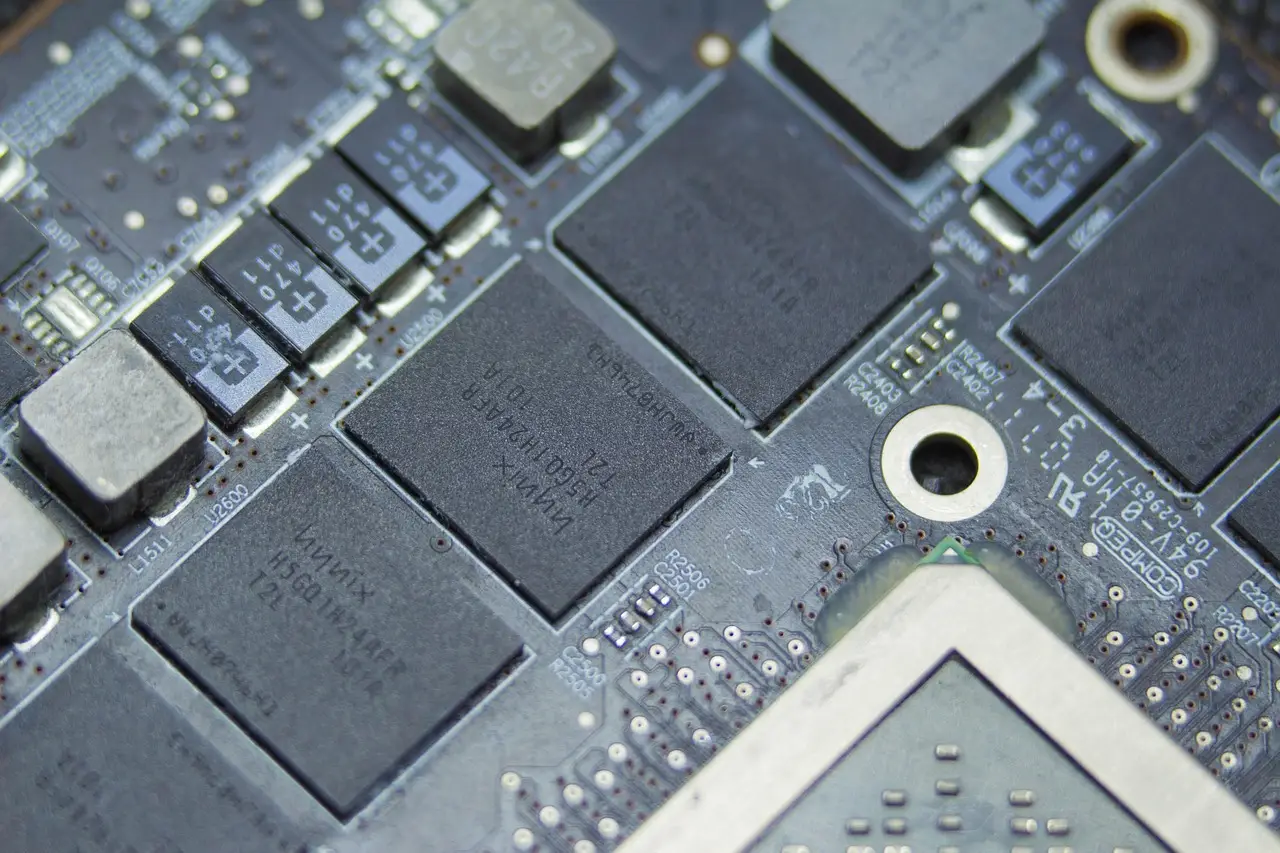
The United States has set a 25% tariff ceiling on South Korea, five points higher than the rates for Japan and the EU, citing Seoul's semiconductor policy as the trigger. The Office of the U.S. Trade Representative announced the plan on the 25th local time. It follows an overcapacity investigation conducted under Section 301 of the Trade Act.
The USTR plans an initial 15% tariff on South Korea, Japan and the European Union. For Seoul, the agency pointed to government support for semiconductors, automobiles and petrochemicals. That support, it said, caused structural overcapacity, damaged the U.S. economy and heightened economic security risks.
What does Washington want from Seoul?
The core target is the Honam semiconductor cluster. In its investigation report, the USTR noted that South Korea "announced in July a plan to build a new semiconductor cluster in the Gwangju and Jeolla regions, based on investment pledges from companies worth about 800 trillion won (more than $518 billion)." The agency also flagged the state's role. It said Seoul "plans to streamline permitting procedures, expand power and water infrastructure, and invest 30 trillion won over 15 years to support the entire chip manufacturing process."
U.S. Trade Representative Jamieson Greer named the cluster directly in an interview with CNBC. He said: "This is not responding to actual demand. Korea is only increasing supply to foreign markets."
The report went further into Korean politics. It stressed that "President Lee Jae-myung sees semiconductors as an opportunity to develop lagging regional economies and is 'pressuring' chipmakers such as SK hynix to keep expanding production capacity at home."
Why the pressure lands on memory makers
Washington added a warning with a clear audience. It said memory chip production concentrated in South Korea "could become a bottleneck for the artificial intelligence industry." Some observers read that remark as pressure on Korean firms to build memory chip plants in the United States. SK hynix is one of the world's dominant suppliers of high-bandwidth memory, the chips most tied to AI datacenter demand.
The tariff structure itself carries a signal. Japan and the EU both face a 20% ceiling. South Korea's ceiling sits at 25%. Tariffs could rise to that level, excluding some items, if bilateral consultations or existing commitments prove unsatisfactory, the report warned.
The measures at a glance:
- 15% initial tariff on South Korea, Japan and the EU under Section 301.
- 25% ceiling for South Korea, versus 20% for Japan and the EU.
- 800 trillion won (over $518 billion) in company investment pledges cited for the Honam cluster.
- 30 trillion won in state support over 15 years for the full chip manufacturing process.
What does this change for Korean chipmakers?
The direct cost starts at 15%. The exposure grows if talks stall. Firms such as SK hynix and Samsung face a calculation: absorb tariffs on U.S.-bound shipments, or shift new capacity to American soil. Washington's "bottleneck" comment suggests the second path is the one it wants. The Honam plan, announced in July for Gwangju and the Jeolla region, now sits at the center of that decision.
A second front: digital regulation
The USTR is also eyeing South Korea's digital regulations for a further investigation. According to Fox News, a White House official said South Korea "broke its promise to President Donald Trump to treat American technology companies fairly by imposing hundreds of millions of dollars in fines on Coupang." That puts Seoul under pressure on two tracks at once: industrial policy on chips and enforcement against U.S. tech platforms.
For now, the initial rate is 15%. The 25% ceiling, the $518 billion Honam cluster and the AI-bottleneck warning together define the bargaining range Washington has laid out.
via en.sedaily.com (Source)
More from Marcus Bennett
Show full bio
News editor covering regulation, policy and their impact on hardware layer of artificial intelligence at Die Signal.
795 articles
Same lot
- U.S. Overcapacity Tariff Lifts Korea Rate to 15%, With 25% Warning Attached
- USTR Threatens 25% Tariffs, Targets Korea's Chip Mega Projects
- USTR Threatens 25% Tariff Over Samsung, SK hynix Memory Dominance
- U.S. Caps Korea Tariff at 15% in Section 301 Overcapacity Probe
- USTR Targets Korea's K-Semiconductor Belt, Keeps 25% Chip Tariff in Reserve