Test report · tested November 26, 2026
Supply Chain & PolicyDevice under test
U.S. Hits 14 Countries With 15% Overcapacity Tariffs; China Kept at 20%
USTR announces 15% Section 301 tariffs on 14 countries including South Korea and Japan, but Asahi Shimbun says the policy's negotiating leverage has faded and household costs rise $820 this year.
- Read
- 4 min
- Words
- 774
- Segment
- Supply Chain & Policy
- Operator
- Priya Raman
Spec summary
- USTR announced 15% Section 301 tariffs on products from 14 countries including South Korea, Japan and Switzerland, per the Federal Register.
- The Tax Foundation estimates U.S. household tariff burden will rise by an average of $820, about 1.1 million won, this year.
- Rates could rise to 25% for South Korea and 20% for Japan depending on compliance with agreements such as U.S. investment commitments.
- China's total tariff rate including forced labor duties is capped at 20%, matching the October 2024 U.S.-China summit agreement, with a possible rise to 40% if talks fail.
- USTR Representative Jamieson Greer said in an interview this month that eliminating tariffs or freer imports from China could not happen.
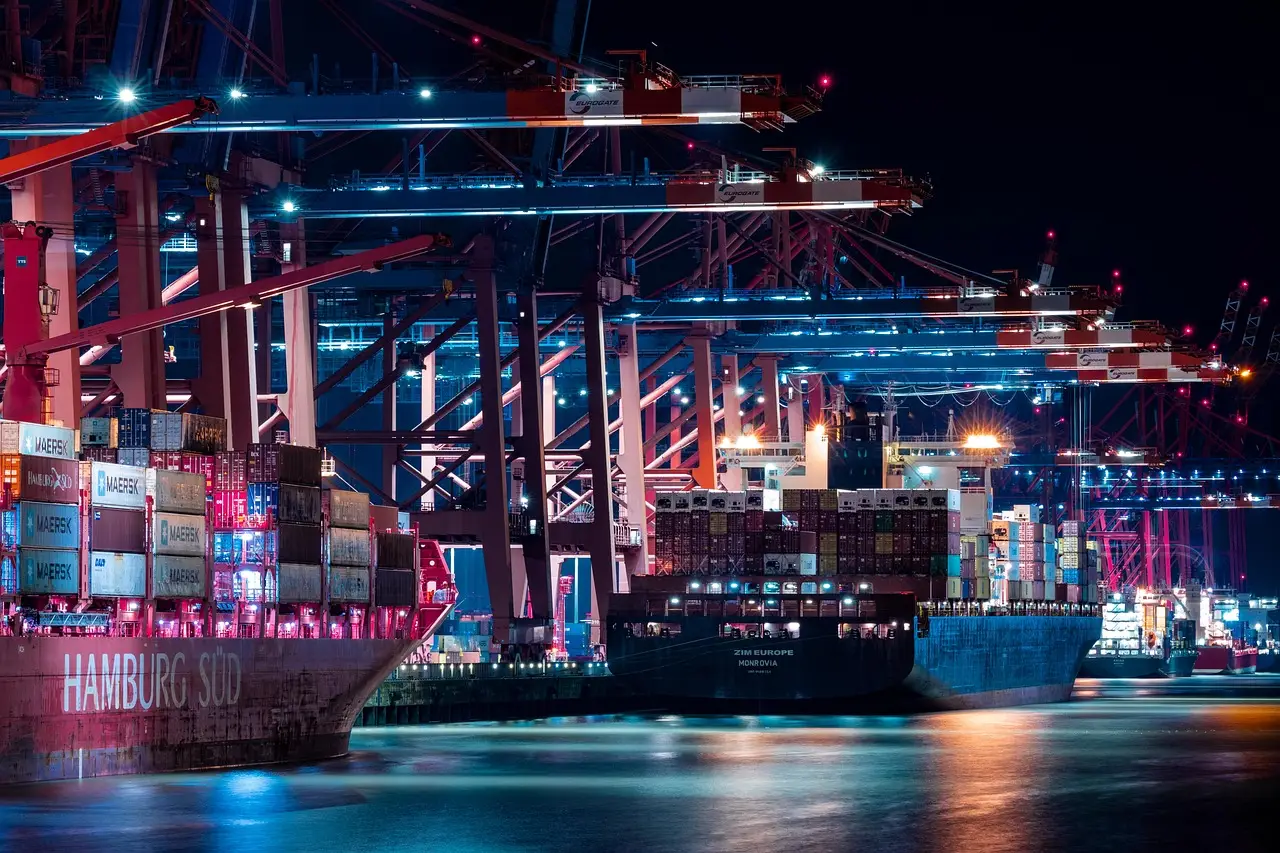
The United States will impose a 15% tariff on products from 14 trading partners, including South Korea, Japan and Switzerland, under Section 301 of the Trade Act. The Office of the U.S. Trade Representative announced the measure in the Federal Register. Yet Japan's Asahi Shimbun, reporting on October 26, argues the policy has lost the force that once pressured countries into trade concessions.
Asahi Shimbun said the Section 301 overcapacity tariffs "have lost the force that once pressured countries into trade negotiations, and questions are being raised about the policy's effectiveness." That is the sharpest verdict to date from a major foreign paper on a tool the administration still calls its signature policy.
What does the new tariff schedule actually impose?
The 15% duty covers imports from major U.S. trading partners, South Korea, Japan and Switzerland among them. The legal basis is the same Section 301 that underpinned the forced labor tariffs imposed in July over inadequate forced labor policies. The USTR added one caveat. The new duties "will not be added on top of the 10% to 12.5% tariffs imposed under Section 301 for forced labor," and countries subject to both will face only the higher rate.
The rates can climb further depending on compliance with earlier agreements, such as investment commitments in the United States. South Korea could face 25%. Japan could face 20%. The headline 15% figure is therefore a floor, not a ceiling, and the USTR has not published the compliance criteria that would trigger the higher rates.
Why does Asahi call the policy's leverage weakened?
The newspaper's core finding is a gap between stated rates and applied rates. The effective additional rate applied to each country has amounted to only a few percentage points, according to analysts cited in the report. That undercuts the negotiating threat the administration built its trade diplomacy around. One long sentence carries the contradiction plainly: a tariff regime designed to force concessions abroad is now delivering a few points of effective pressure while raising prices at home.
The Tax Foundation, a think tank, estimates the tariff burden on U.S. households will rise by an average of $820, about 1.1 million won, this year. Asahi notes the tariffs function as a de facto tax increase. Much of the duty cost passes through to U.S. importers and consumers. The paper also links tariff-driven price increases to the ruling Republican Party's defeat in this month's U.S. midterm elections.
The administration has gained confidence, the analysis says, because the contraction in consumer spending it initially expected failed to materialize. That is the caveat behind every promise of policy pain: the predicted domestic cost has not yet arrived in the form feared, so the political pressure to withdraw the tariffs stays weak.
How did China escape the higher rates?
China, which Washington has attacked most intensively as an overproducing country, received softer treatment. The total U.S. tariff rate on China under this measure, including the forced labor tariffs, reaches at most 20%. That matches the level agreed at the U.S.-China summit in October last year. Compare that with South Korea's potential 25% ceiling and Japan's 20% ceiling, and the restraint toward Beijing becomes conspicuous.
The read is diplomatic. The Trump administration is seeking additional talks with China around the Group of 20 summit, to be held in Miami, Florida, on the 14th and 15th of next month. The restraint is interpreted as an effort to avoid antagonizing China before those talks. There is a stated price for failure: if trade negotiations do not progress, tariffs on China could rise to as much as 40%.
Will the high-tariff policy survive?
Yes, on the available evidence. USTR Representative Jamieson Greer said in an interview in the middle of this month that eliminating tariffs or importing goods more freely from China and other countries could not happen. The administration treats the duties as a core policy, difficult to abandon despite the contradictions. Asahi frames the paradox precisely: the tariffs raise domestic prices, contributed to an electoral defeat, yet persist because the feared consumer contraction never arrived.
What is not said matters as much. The USTR has not defined the compliance thresholds that would lift South Korea to 25%. It has not set a deadline for the China talks beyond the G20 window. And no official has addressed whether the effective applied rate of a few percentage points will ever approach the announced ceilings. The announced numbers are the policy. The applied numbers are the result. The gap between them is the story.
via en.sedaily.com (Source)
More from Priya Raman
Show full bio
Correspondent covering money, funding and market shifts around hardware layer of artificial intelligence at Die Signal.
776 articles
Same lot
- U.S. Caps Korea Tariff at 15% in Section 301 Overcapacity Probe
- US Sets 15% Tariff on Korea, Threatens 25% Ceiling Above Japan and EU
- U.S. Readies Overproduction Tariffs on 16 Economies, South Korea Capped at 15%
- US sets 15% EU tariff cap and 20% China levy across 14 partners
- USTR Threatens 25% Tariffs, Targets Korea's Chip Mega Projects