Test report DSG-9541 · Rev B · tested October 30, 2026
Supply Chain & PolicyDevice under test
TSMC weighs rare-earth-free factory motors amid export risk
TSMC is testing rare-earth-free motors for automated semiconductor factories as China's licensing rules expose supply risk, while Taiwan plans a pilot plant within three years.
- Read
- 3 min
- Words
- 543
- Node
- 28nm
- Operator
- Amara Osei
Spec summary
- China introduced licensing requirements for rare-earth elements, magnets and processing techniques last year.
- TSMC’s early-stage supplier talks have not led to large-scale equipment adjustments.
- TSMC is seeking alternatives to motors that use rare-earth elements.
- Taiwan plans a rare-earth pilot production facility within three years.
- The pilot facility should cover about half of Taiwan’s domestic needs.
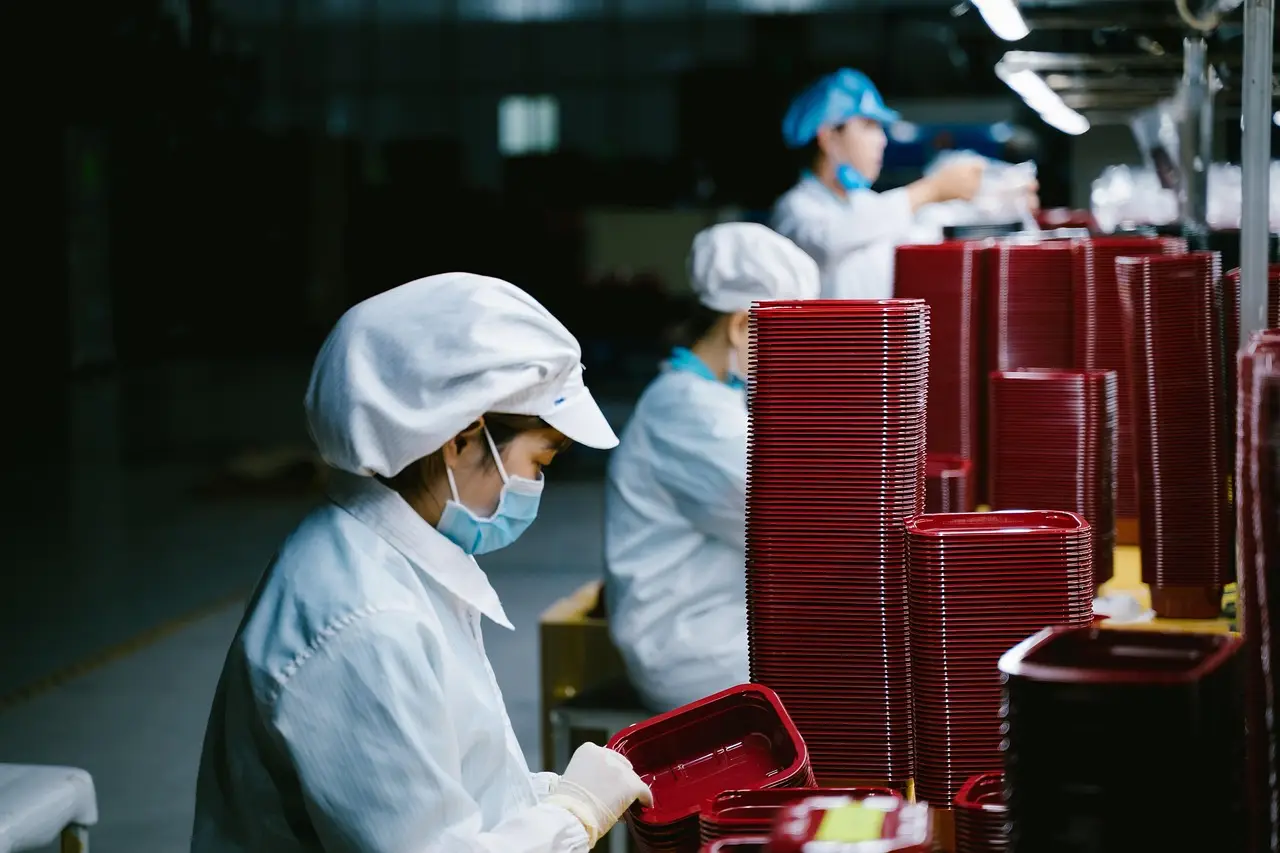
TSMC has begun early-stage supplier talks on rare-earth-free motors, with no large-scale factory changes yet, as China’s licensing rules introduced last year threaten critical-mineral supply.
Reuters, citing people familiar with the matter, said TSMC is exploring ways to remove rare-earth elements from production machines. The company wants to protect advanced-chip output from possible disruptions under Beijing’s strict export rules.
Industry executives said TSMC has started asking suppliers about the feasibility of motors that do not require rare-earth elements. The discussions focus on factory equipment used in automated production systems rather than a stated redesign of the company’s entire chipmaking process.
The talks have not led to large-scale equipment adjustments, and supply-chain instability remains their driving concern. TSMC has not disclosed an implementation timetable or the volume of potential changes.
Takeaway: TSMC is evaluating a motor alternative, not yet converting its factory fleet.
How do Taiwan and the United States fit into the response?
TSMC’s supplier initiative fits the broader strategic objectives shared by Taiwan and the United States: reducing dependence on Chinese mineral resources. Raymond F. Greene of the American Institute in Taiwan said: “Washington is working with its allies to tap into new sources of supply and to improve the robustness of processing capacities.”
Last year, China introduced licensing requirements for rare-earth elements, magnets and processing techniques. Those measures exposed a vulnerability in the international chip industry by placing export controls across several linked parts of the supply chain.
- Rare-earth magnets are essential to the motors that drive automated production systems.
- A shortage of these components can slow the production of advanced semiconductor chips.
- The affected output includes chips used in defence, AI, data centres and mobile devices.
The licensing regime therefore links access to minerals, magnets and processing capacity with the continuity of automated chip production. TSMC’s inquiry addresses one upstream dependency in that chain, although the discussions remain preliminary and have produced no large-scale equipment changes.
Takeaway: China’s controls create supply risk before it reaches chip fabrication, where constrained motor components can slow automated lines.
What is Taiwan building to reduce mineral dependence?
Taiwan’s government is investing in the Industrial Technology Research Institute, or ITRI, to increase domestic capabilities in rare-earth elements. The funding supports the government’s effort to reduce reliance on Chinese mineral supply.
Taiwan’s Minister of Economic Affairs, Kung Ming-hsin, announced plans to establish a pilot production facility within three years. The facility should cover about half of Taiwan’s domestic requirements, giving the project a defined role in the country’s supply strategy.
The project has attracted interest from US officials seeking to diversify the global supply of critical minerals. ITRI confirmed its cooperation with Taiwan’s Ministry of Economic Affairs but did not provide further details about the planned facility.
Taiwan’s three-year pilot and TSMC’s supplier discussions address different parts of the same supply-chain problem. The government project seeks additional domestic production capacity, while TSMC is testing whether factory equipment suppliers can remove reliance on rare-earth-based motors.
Takeaway: Taiwan plans to add domestic rare-earth capacity, while TSMC’s factory redesign remains at the feasibility stage.
via Google News: TSMC (Source)
More from Amara Osei
Show full bio
Staff writer covering money, funding and market shifts around hardware layer of artificial intelligence at Die Signal.
507 articles
Same lot · LOT-C204
- DSG-537814nmTSMC Surveys Suppliers for Rare-Earth-Free Motors as China Curbs Loom
- DSG-674245nmTSMC Texas Fab Plans Push Taiwan Contractors Into Action
- DSG-692214nmChina Imposes New Export Controls on Rare Earth and Battery Materials
- DSG-336065nmTSMC Explores Texas Investment to Expand US Production
- DSG-36227nmTSMC Reportedly Evaluates Second U.S. Site for Chip-Making Hub