Test report DSG-5378 · Rev A · tested October 23, 2026
Supply Chain & PolicyDevice under test
TSMC Surveys Suppliers for Rare-Earth-Free Motors as China Curbs Loom
TSMC has asked automation suppliers about rare-earth-free motors, hedging against Beijing's export licensing rules that threaten magnets in wafer-handling and cleanroom equipment.
- Read
- 3 min
- Words
- 568
- Node
- 14nm
- Operator
- Marcus Bennett
Spec summary
- TSMC surveyed automation suppliers on rare-earth-free motors after China imposed export licensing rules last year.
- Talks are early and have not triggered wide equipment replacements; TSMC declined to comment.
- Taiwan's ITRI plans a pilot rare-earth facility within three years to cover an estimated 50 percent of domestic demand.
- In June, AIT director Raymond F. Greene confirmed US-Taiwan coordination on critical minerals.
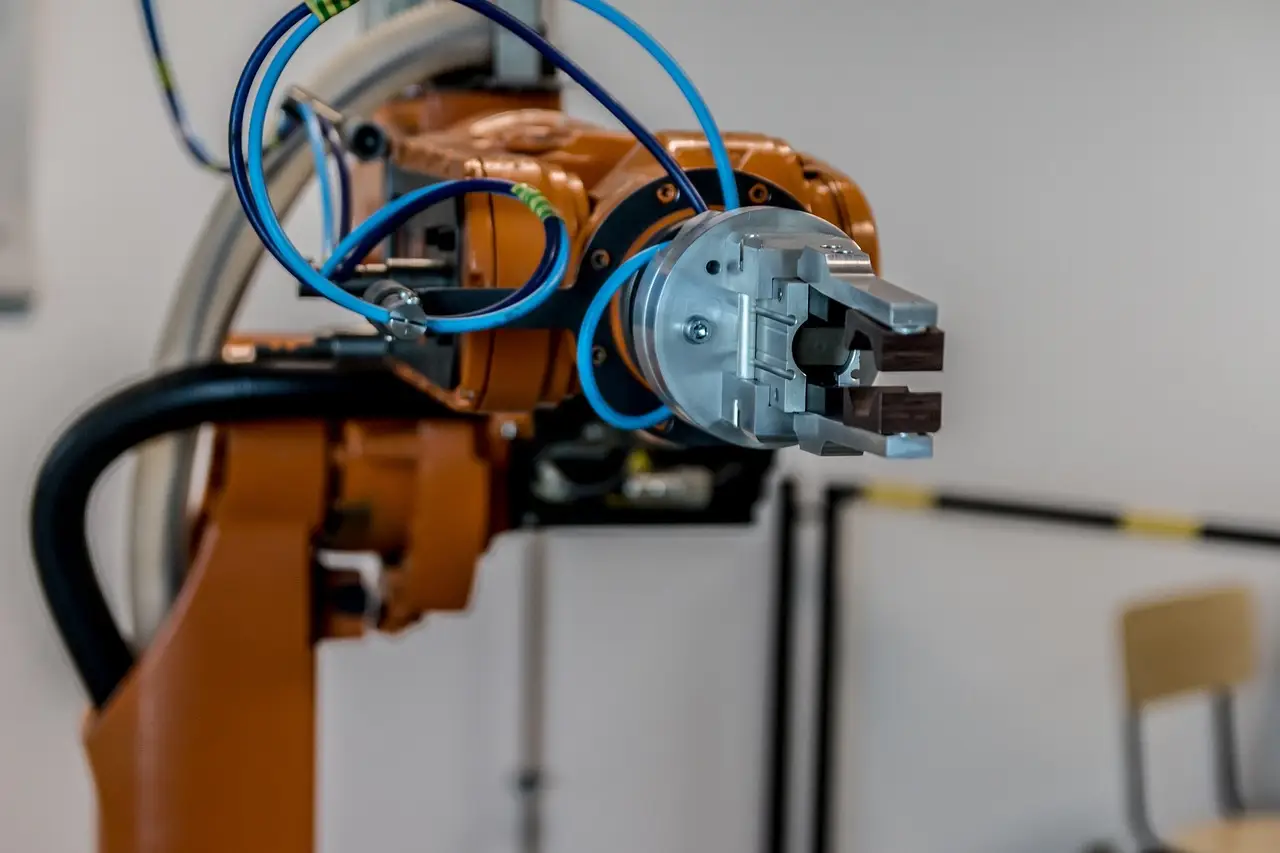
TSMC has surveyed its automation suppliers on rare-earth-free motors, three people familiar with the matter said, as the world's largest contract chipmaker tries to shield its fabs from Beijing's export controls. The risk is concrete: specialised rare-earth magnets drive the precision motors in automated wafer-handling systems and cleanroom equipment. Without them, high-throughput lines grinding out chips for AI systems, smartphones and data centres would halt.
China placed certain rare-earth materials, magnets and processing technology under export licensing rules last year. That regulatory clampdown now hangs over the supply chain for the most advanced chips on the market. TSMC declined to comment on its vendor communications.
What does this change for chip supply?
For now, not much on the factory floor. Talks with equipment suppliers remain at an early phase and have not triggered wide equipment replacements across operational plants. TSMC has approached vendors to gauge whether alternative motor designs can match current production tolerances without relying on Chinese materials.
The downstream exposure is broader than one company. A shortage of factory-floor magnets would threaten chip output for AI systems, smartphones and data centres. Hardware brands across Asia track fabrication inputs closely because component disruptions cascade rapidly into consumer hardware shortages.
A bottleneck in factory machinery also slows capacity additions for cutting-edge nodes. That lifts wafer costs and tightens component supply for consumer electronics brands already operating on thin margins.
Why is replacing the magnets hard?
Engineering, not procurement, is the core problem. Permanent magnets made with rare earths provide the highest torque density for compact industrial robotic arms. Substitutes often demand larger machinery footprints or reduced operating speeds.
For equipment vendors, redesigning factory tools without rare-earth magnets requires heavy engineering adjustments. Capital expenditure across upcoming wafer fabrication projects in Taiwan and the United States will reflect the cost of these redesigns.
What are governments doing?
Beijing's export restrictions, imposed last year, placed several rare-earth materials, industrial magnets and associated extraction technology under strict licensing regimes. The clampdown prompted tech-heavy economies across the Pacific to fund alternative supply chains and local extraction capacity.
Two concrete steps have followed:
- In June, American Institute in Taiwan director Raymond F. Greene confirmed Washington is coordinating with Taipei to secure critical minerals and build domestic processing capacity.
- In February, Economy Minister Kung Ming-hsin said the government would support the Industrial Technology Research Institute to establish a pilot production facility within three years, targeting an estimated 50 percent of domestic rare-earth demand.
The state-backed Industrial Technology Research Institute confirmed it is working with the Ministry of Economic Affairs on an execution plan for the mineral initiative.
The open question
TSMC's supplier talks are a hedge, not yet a redesign programme. But the timeline matters. Building a pilot rare-earth facility takes three years under the government plan, while export licensing decisions in Beijing can change with little notice.
If substitutes cannot match current tolerances, chipmakers face a choice between slower tools, bigger machines or continued dependence on Chinese supply. Each option carries a cost that will eventually surface in wafer prices and in the capital budgets of new fabs in Taiwan and the United States. A reader poll attached to the original report, with 17,918 votes cast, suggests the industry audience itself is split on whether chipmakers can eliminate rare earths from factory robotics entirely.
via Google News: TSMC (Source)
More from Marcus Bennett
Show full bio
News editor covering regulation, policy and their impact on hardware layer of artificial intelligence at Die Signal.
491 articles
Same lot · LOT-C1E8
- DSG-60315nmUS Export Curbs Are Forcing China to Redesign Its AI Chip Industry
- DSG-123465nmUS Proposals to Tighten China Chip Tool Exports Hit Suppliers
- DSG-942714nmU.S. and Japanese Chip Toolmakers Still Depend on Chinese Materials
- DSG-692214nmChina Imposes New Export Controls on Rare Earth and Battery Materials
- DSG-14175nmUS export controls redraw chip supply chains as China scales output