Test report · tested November 26, 2026
Supply Chain & PolicyDevice under test
Trump Hits 14 Trading Partners With New Tariffs
Reuters reports Trump imposed or announced tariffs on 14 trading partners including China, Japan and the EU. Rates and dates are unpublished. GPU, memory and storage exposure explained.
- Read
- 4 min
- Words
- 873
- Segment
- Supply Chain & Policy
- Operator
- Marcus Bennett
Spec summary
- Reuters reported on November 26, 2026 that Trump imposed or announced tariffs on 14 trading partners, including China, Japan and the EU.
- No tariff rates, start dates or the remaining 11 partner names appear in the cited Reuters material.
- Musk pledged two SpaceX shares for every American child; no valuation or mechanism was reported.
- Fire destroyed the Eagle's Nest roof and furniture in late October 2026; the site drew about 300,000 visitors a year.
- PC DRAM contract prices were already up 13-18% and the RTX 5090 street price hit $6,199 against a $1,999 list.
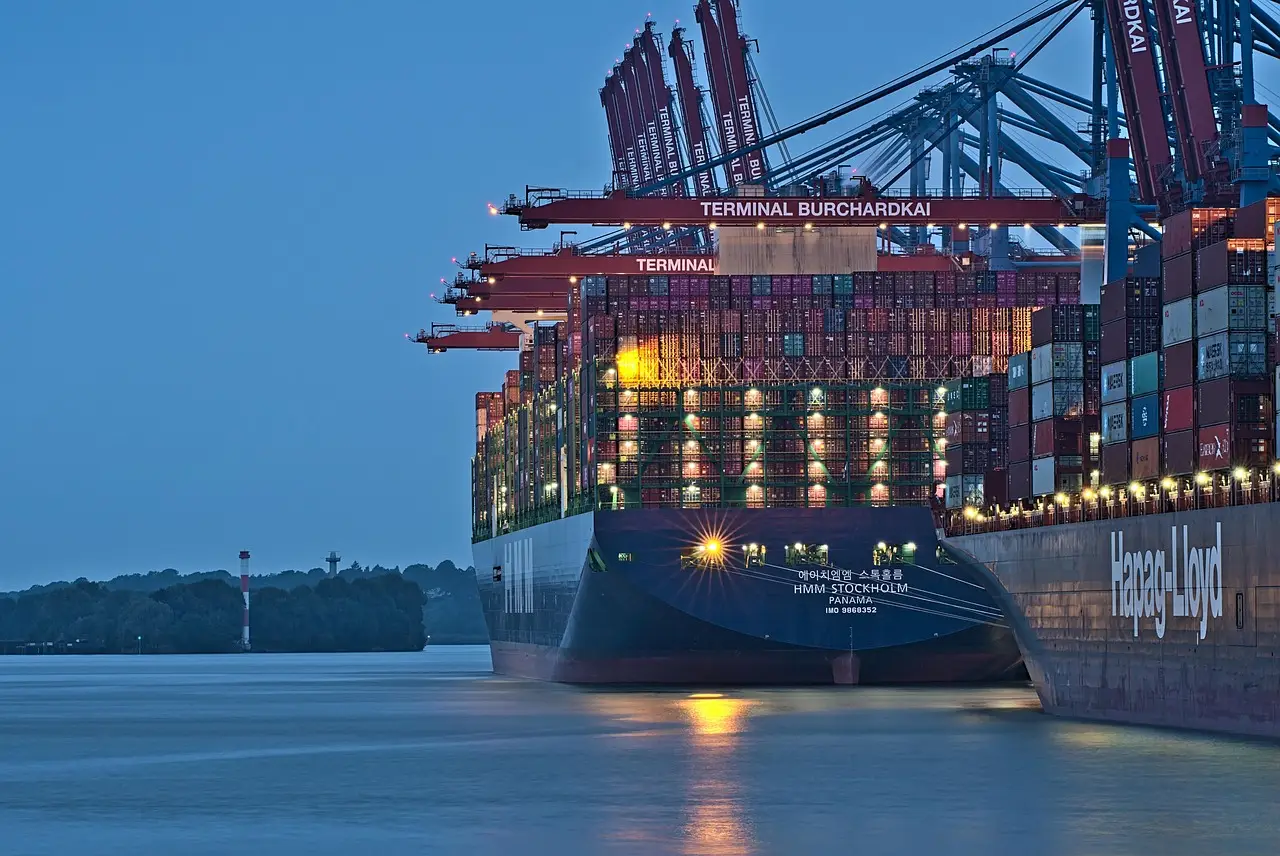
Reuters reported on November 26, 2026 that Donald Trump imposed or announced new tariffs against 14 major trading partners, including China, Japan and the European Union. The report came in a Reuters World News podcast episode titled "Trump's tariff blitz, Musk's SpaceX pledge and Nazi guest house reno," which runs 9 minutes and 55 seconds. The episode bundles three stories; only the tariff item moves hardware prices.
What does the 14-partner list actually contain?
Reuters names three targets: China, Japan and the EU. The other 11 partners are not identified in the cited material. Reuters describes the move as a tariff blitz, which signals breadth rather than a single targeted duty. The phrase "imposed or announced" matters, because some measures may already be in force while others sit at the announcement stage.
That distinction changes how buyers react. An imposed duty hits customs paperwork on the next shipment, while an announced duty gives importers a window to pull inventory forward, renegotiate contracts or reroute final assembly. Reuters has published no rates and no start dates in the material we cite, so any percentage or effective date circulating on social media should be treated as unconfirmed.
Each named partner reaches hardware through a different door. China supplies finished electronics, batteries and a large share of PC assembly. Japan supplies materials, camera sensors, chipmaking tools and specialty components. The EU supplies lithography-related equipment, automotive electronics and industrial machinery.
How tariffs reach GPUs, memory and storage
Consumer hardware crosses borders several times before it reaches a shopper. A graphics card may use a chip made in one country, memory from another and a board assembled in a third. Each hop can attract a duty. When a government targets 14 partners at once, the odds rise sharply that at least one hop in a product's chain gets taxed. That is analysis, not a Reuters finding, but it follows from how supply chains work.
The pressure lands on top of an already tight market. Earlier reports documented PC DRAM contract prices rising 13% to 18%, and AI server makers facing reported 45% price hikes on signed contracts during the RAM shortage. Premium GPUs show the scarcity problem clearly, with an RTX 5090 gap between a $1,999 list price and a $6,199 street price in 2026. Importers tend to treat any new duty as a reason to widen margins on products that are already hardest to find.
Relative exposure by category, in our analysis:
- Gaming laptops and handheld consoles: high, finished goods imported from China
- Graphics cards: high, board assembly and cooler parts from China and Japan
- PC memory (DRAM): medium to high, module assembly on top of the existing shortage
- SSDs and NAS drives: medium, controllers, enclosures and assembly
- Chipmaking tools: indirect, capital equipment imports felt by fabs
- Cables and peripherals: high on price, low on value
Past tariff rounds followed a familiar pattern: importers front-loaded shipments, retailers ran down inventory, and prices rose in steps rather than all at once. What is different now is breadth. Earlier rounds often focused on a single country, letting companies shift production to a neighbor. A wide list narrows that escape route.
What did Musk pledge about SpaceX?
Reuters reports that Elon Musk pledged two SpaceX shares for every American child. The reporting names SpaceX and stops there. No valuation, eligibility rules, delivery mechanism, filing or timeline appears in the cited material. Any dollar figure circulating online is speculation until SpaceX or Musk publishes terms. The pledge has no model behind it yet and no measurable link to hardware pricing. Reuters reported separately that SpaceX slid 5% to $119.66 on a single day.
What happened at the Eagle's Nest?
The third story is the odd one out. The Eagle's Nest, also called the Kehlsteinhaus, is a former Nazi guest house in southern Germany. A fire in late October 2026 destroyed its roof and the remaining original furniture, per Reuters. The site drew about 300,000 visitors a year and has stayed closed since the blaze.
Bartl Wimmer, chairman of the local tourism association that operates the site, said the blackened walls remain structurally sound enough to carry a new roof. That is the only engineering assessment in the cited material. Reuters has reported no renovation budget, contractor or reopening date. The podcast title says reno, but the reporting describes an assessment, not a funded project.
What should buyers do now?
Check current prices, compare retailers and note return windows. Price protection policies at some retailers let you claim a difference within a short period. Do not rush into a purchase over tariff headlines, since many announced duties get delayed, narrowed or exempted. Track the exact model you want weekly, with the date and retailer, so you can tell a tariff step from ordinary drift. Businesses buying in volume should ask suppliers now whether quotes include duty adjustments and what happens if rates change after an order.
The takeaway: the tariff blitz is the story that deserves attention, and the correct response is measured. The Musk pledge and the Eagle's Nest fire are real, reported events, yet neither changes what a GPU or SSD costs this week.
via shattered.io (Source)
More from Marcus Bennett
Show full bio
News editor covering regulation, policy and their impact on hardware layer of artificial intelligence at Die Signal.
795 articles
Same lot
- US plans tariffs up to 20% on EU and 13 other partners
- US Prepares New Tariffs Targeting China, EU and 14 More Economies
- US sets 15% EU tariff cap and 20% China levy across 14 partners
- China Extends 24% Tariff Suspension on U.S. Goods Through January
- U.S. Hits 14 Countries With 15% Overcapacity Tariffs; China Kept at 20%