Test report · tested November 25, 2026
Supply Chain & PolicyDevice under test
US Prepares New Tariffs Targeting China, EU and 14 More Economies
USTR is set to publish findings from a months-long subsidy probe covering 16 economies including China and the EU, paving the way for replacement tariffs after the Supreme Court voided last year's regime.
- Read
- 2 min
- Words
- 411
- Segment
- Supply Chain & Policy
- Operator
- Elena Vasquez
Spec summary
- New tariffs target 16 economies including China, the EU, Japan and Mexico, per AP sources.
- The Supreme Court declared the administration's earlier broad tariffs unconstitutional in February 2025-announced regime.
- USTR will publish results of a months-long industrial subsidy investigation within days.
- The White House imposed 10 to 12.5 percent tariffs on around 60 partners in July.
- Timing could still change; neither the White House nor USTR commented.
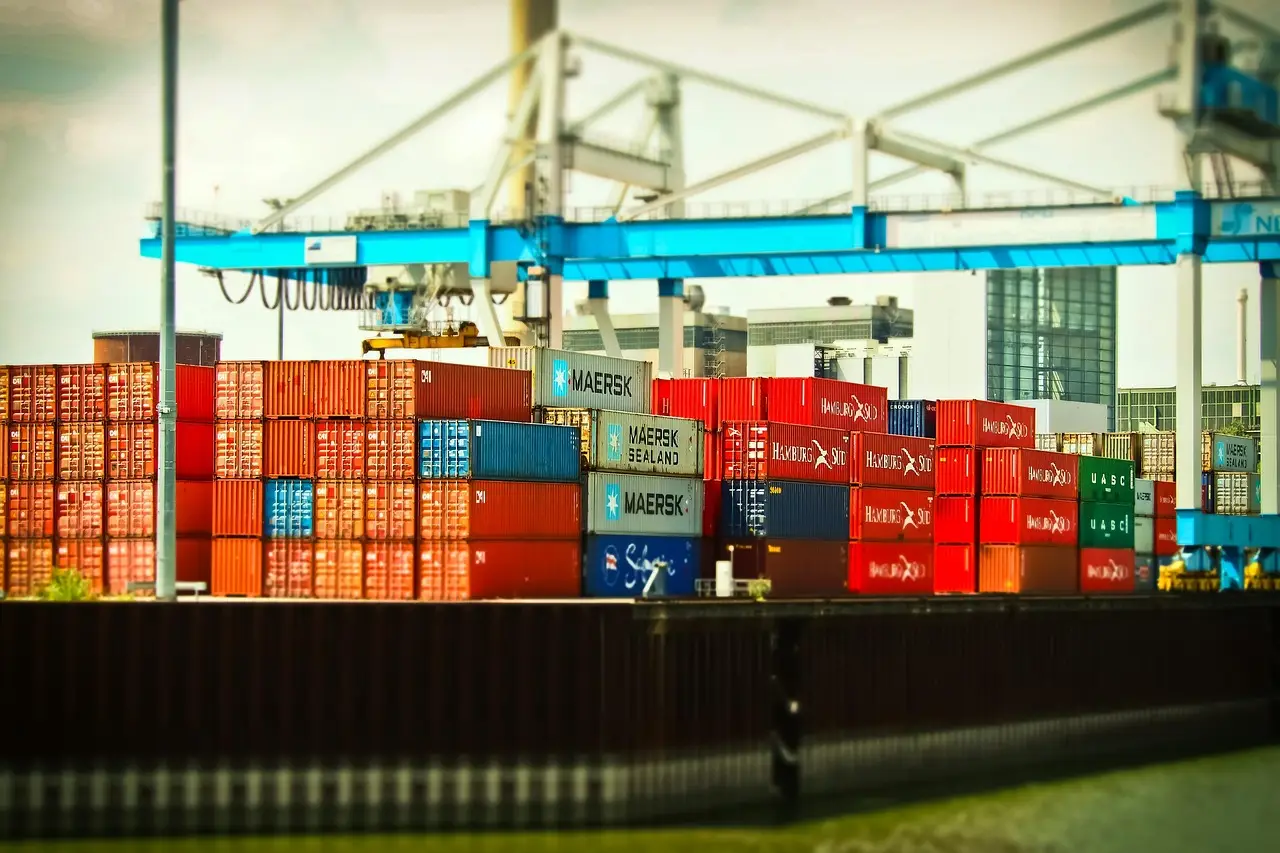
The US Trade Representative's office is expected to announce new tariffs on China, the EU and 14 other economies within days, two people familiar with the matter told AP — the administration's second attempt at trade barriers after the Supreme Court struck down its earlier regime.
USTR will reportedly publish the results of a months-long investigation into industrial subsidies across the 16 economies in question. Bloomberg, Reuters and the Wall Street Journal reported on the plans earlier. The sources, who spoke on condition of anonymity, stressed that the timing could still shift. Neither the White House nor USTR responded to requests for comment.
What does the new tariff push actually replace?
These plans are the successor to the broad tariffs the administration set last year, which the Supreme Court declared unconstitutional in February. The earlier package was announced in April 2025 — the timeline matters here, because the White House has spent roughly a year building a tariff structure the courts have now dismantled once already.
The White House had also imposed tariffs of 10 to 12.5 percent on around 60 trading partners in July, accusing them of insufficiently enforcing bans on goods made with forced labor. For context, that's a levy on more than three times as many partners as the 16 economies named in the current plan.
Who's on the list?
The targeted economies reportedly include:
- China
- The European Union
- India, Japan, South Korea
- Mexico, Vietnam, Taiwan
- Thailand, Malaysia, Indonesia
- Switzerland, Norway, Singapore
- Bangladesh, Cambodia
That's a list spanning three continents and covering both major manufacturing hubs and smaller sourcing destinations — the kind of breadth that suggests importers won't find easy reroutes.
Why tariffs, again?
The administration's stated logic: subsidized overproduction in these economies has flooded the market with cheap goods that undercut American companies. Whether that framing survives another court challenge is an open question, and the February ruling gives skeptics a ready precedent.
For importers and supply-chain managers, the practical takeaway is straightforward. If your sourcing runs through any of the 16 listed economies, the USTR report landing in the coming days is the document to watch — it will spell out the subsidy findings that the new tariff rates hang on.
One caveat from the sources themselves: the timeline isn't locked. Announcements of this kind have slipped before, and the administration hasn't publicly confirmed anything yet. Treat the next few days as a window, not a deadline.
via tagesschau.de/xml/rss2/ (Source)
More from Elena Vasquez
Show full bio
Senior reporter covering people, launches and day-to-day practice in hardware layer of artificial intelligence at Die Signal.
775 articles
Same lot
- U.S. Readies Overproduction Tariffs on 16 Economies, South Korea Capped at 15%
- China Extends 24% Tariff Suspension on U.S. Goods Through January
- USTR may announce tariff plans for 16 economies this week
- US Congress Unveils 'Largest' Export Control Upgrade Against China
- US Reportedly Weighs Sweeping New Chip Export Controls