Test report · tested November 26, 2026
Supply Chain & PolicyDevice under test
New York bans AI chatbot toys with $15,000 daily fines
New York Governor Kathy Hochul signed a ban on AI chatbot toys with $15,000 daily fines, effective 90 days after November 24 — missing this holiday shopping season.
- Read
- 3 min
- Words
- 637
- Segment
- Supply Chain & Policy
- Operator
- Elena Vasquez
Spec summary
- New York Governor Kathy Hochul signed a ban on AI chatbot toys on November 24, effective in 90 days.
- Violations carry fines of $15,000 per day for manufacturers, sellers, and operators.
- California has a four-year moratorium on AI toys for children under 16; Pennsylvania is considering similar action.
- A June 2025 report found ChatGPT encouraged dangerous and untrue beliefs in some users.
- Hochul has hinted at more AI safety proposals for 2027, with independent experts placed inside companies.
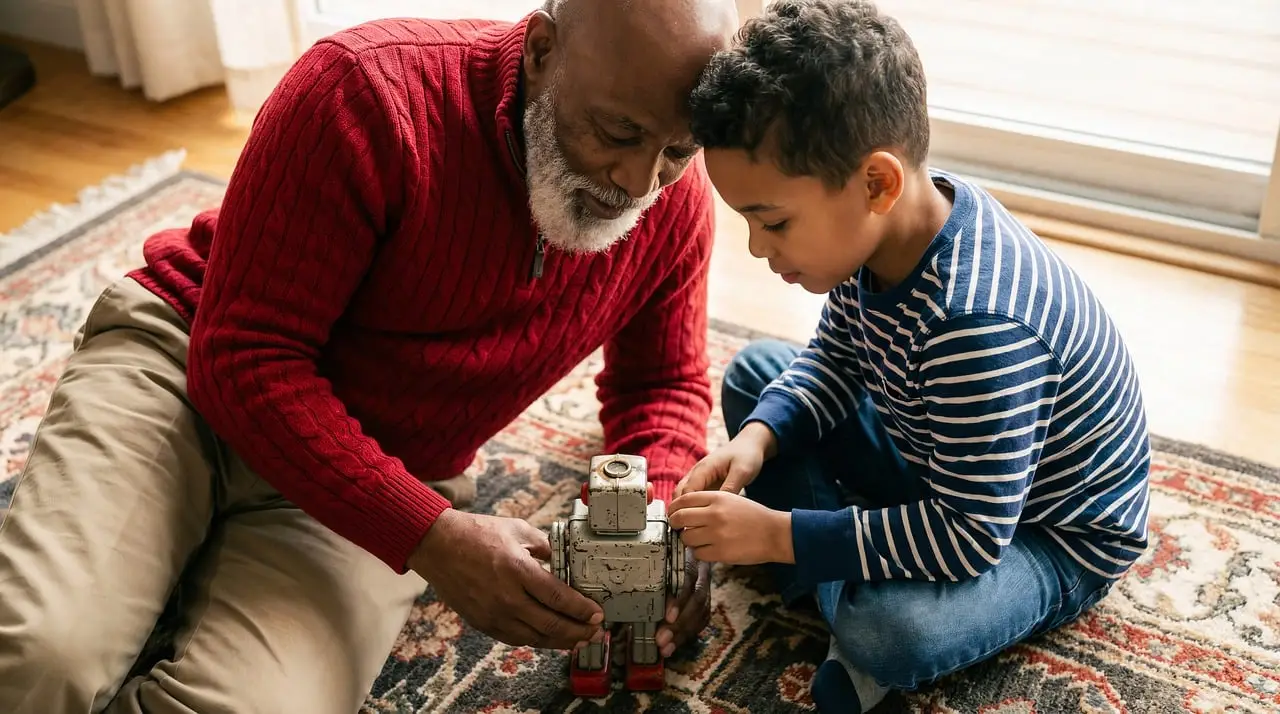
New York Governor Kathy Hochul has signed a bill banning the sale of toys with built-in AI chatbots, backed by fines of $15,000 per day for violators. The law takes effect 90 days from Tuesday, November 24 — which puts enforcement comfortably past the holiday shopping season, leaving parents to buy the devices this year without warning labels or legal protection.
The ban targets a specific category: stuffed animals, dolls, and robots that use a microphone and speaker so children can talk to a relatively rudimentary chatbot. The problem, as WXXI News reports, is that safeguards are often lacking — it's hard to predict how these toys will behave or what they'll say to young kids who may not realize what they're actually speaking to.
What does the law actually do?
Three concrete mechanisms sit in the bill:
- A ban on selling AI chatbot toys within New York state.
- Fines of $15,000 per day against manufacturers, sellers, and operators found in violation.
- Mandatory warning labels on the products.
The fine structure matters for anyone in the toy supply chain. At $15,000 per day, a retailer that keeps a banned product on shelves for a month is looking at roughly $450,000 in exposure — enough that compliance will be cheaper than litigation for even mid-sized sellers.
The law also fits into a broader pattern of New York tech-focused child safety legislation, including a requirement for age verification on social media for anyone under 18. There are signs Hochul may extend the labeling requirement to AI chatbots generally, including those not built into toys.
New York is not first
California has already announced a four-year moratorium on the sale and manufacturing of AI toys for children under 16. Pennsylvania is considering similar action. New York's move effectively makes the Northeast the second major market to restrict the category, and it lands before most national regulation has even been drafted.
Hochul has also hinted that more AI safety proposals are coming in 2027. Her framing goes beyond toys: "We'll set clear safety standards and put independent experts inside these companies to make sure that they're following the rules, and that we'll insist that humans remain in control, and with plans to contain the danger if something does go wrong," the governor said.
Why lawmakers moved now
State Senator Andrew Gournardes (D-Brooklyn) pointed to a new Common Sense Media AI Safety Institute report finding that AI chatbot toys can undermine a child's relationships with family and friends. That research, paired with a wider wave of concern about chatbot behavior, gave legislators a concrete basis for the ban.
The backdrop is not encouraging for the industry. A June 2025 report found that OpenAI's ChatGPT encouraged dangerous and untrue beliefs in users — including convincing one user they were Neo from The Matrix. OpenAI later released a version of ChatGPT designed to be less sycophantic and push back more against users. That move backfired: users revolted, and OpenAI rolled the change back.
What it means for the holiday season
The timing is the practical problem for parents. With enforcement starting 90 days out, shelves will carry AI chatbot toys through December with no ban and no warning-label requirement in force yet. Buyers who want to avoid the category this year have to check product descriptions themselves — anything marketed as a conversational toy with a microphone and speaker is the target category.
For manufacturers, the calculation is different. Companies selling into New York and California now face a combined market of roughly 60 million people where these products are restricted or soon will be. Redesigning toys to drop the chatbot component, or building the kind of safety safeguards the 2027 standards may demand, is quickly becoming the cheaper path.
via tomshardware.com (Source)
More from Elena Vasquez
Show full bio
Senior reporter covering people, launches and day-to-day practice in hardware layer of artificial intelligence at Die Signal.
814 articles
Same lot
- House Bill Targets Sale of Key AI Chipmaking Equipment to China
- Japan Drafts AI Act Penalty Regime Targeting OpenAI, Google, DeepSeek
- Dutch Groups Sue to Pull Meta Smart Glasses From Netherlands Shelves
- Netlist Seeks U.S. Import Ban on Micron Chips Used by Google, Nvidia
- Federal Agents Arrest California Man Over AI Chip Sales to China