Test report · tested November 23, 2026
Memory & StorageDevice under test
Tesla Cuts AI4.5 Memory From 32GB to 24GB, Steers AI5 to Optimus
Musk confirmed AI4.5 drops from 32GB to 24GB due to RAM costs, with the upgrade mostly an LPDDR5X move. AI5 goes to Optimus, cars remain on AI4. No launch date or pricing disclosed.
- Read
- 4 min
- Words
- 781
- Segment
- Memory & Storage
- Operator
- Amara Osei
Spec summary
- AI4.5 memory cut from 32GB to 24GB, a 25% reduction, attributed to Musk's X posts relayed November 22-23, 2026
- Musk: 'RAM is super expensive, so we reduced AI4.5 from 32GB to 24GB'
- AI5 goes to Optimus; cars remain on AI4, per Musk's Sunday reply
- HBM takes 23% of DRAM wafers, nearing 30% by 2027 per TrendForce; PC DRAM contracts up 13-18% in Q4 2026
- Claim that AI5 offers 12x AI4's compute remains unconfirmed
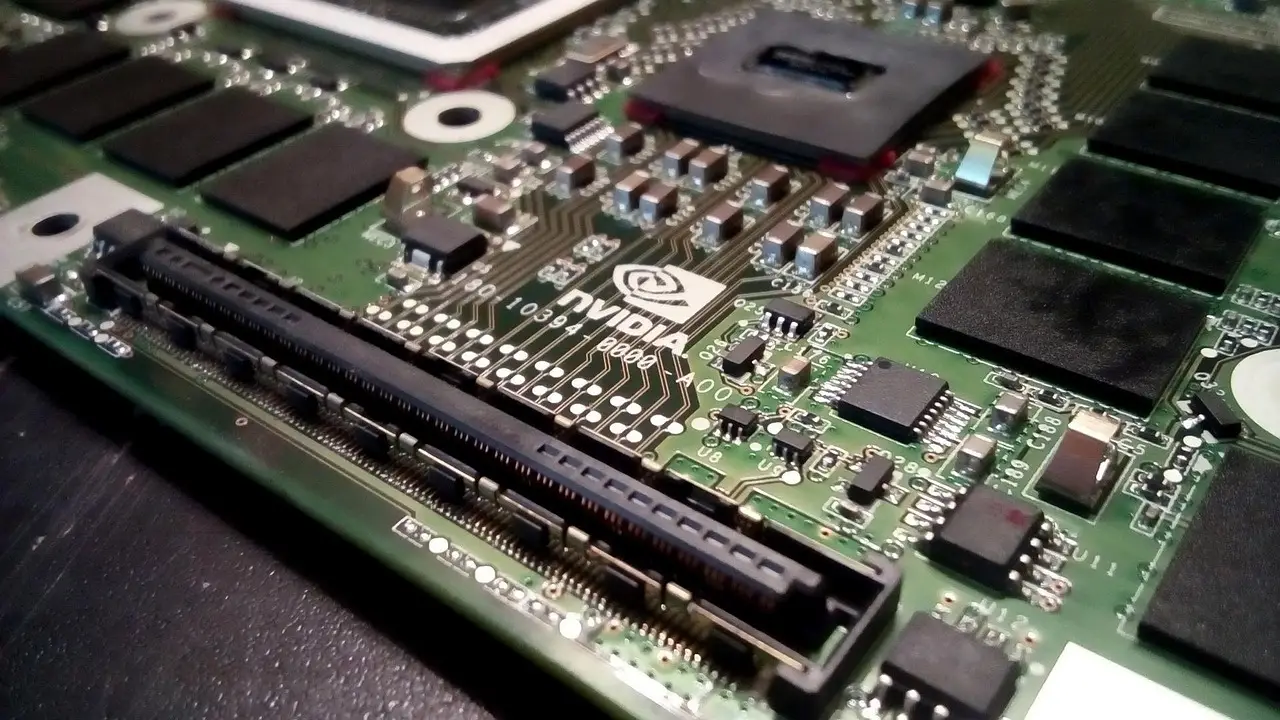
Tesla has cut the planned memory of its next in-car computer from 32GB to 24GB — a 25% reduction — and Elon Musk named the cause himself: RAM prices. Reports from TrendForce and AUTO Connected Car News on November 22 and 23, 2026, carried the story based on Musk's posts on X. The same exchange fixed another roadmap decision: the AI5 chip goes to Optimus, and cars remain on AI4.
The CEO's words, relayed by Teslarati, leave little room for interpretation. "RAM is super expensive, so we reduced AI4.5 from 32GB to 24GB," Musk wrote. "That will be fine. It's hard to use 32GB anyway, given memory bandwidth constraints." He also called AI4.5 "a relatively small performance improvement that is mostly due to needing to upgrade RAM to LPDDR5X."
What does the memory change actually contain?
Three separate statements form the news:
- AI4.5 is a modest step, primarily moving memory to LPDDR5X.
- The capacity cut from 32GB to 24GB happened because RAM is expensive.
- AI5 is going to Optimus, and cars will remain at AI4.
Each stands on its own. TrendForce framed the change amid soaring costs, but that phrase belongs to the headline writer, not to Musk. What Musk said is narrower: RAM is expensive, so Tesla bought less of it.
One caution on sourcing. Musk posted these remarks as short social replies over the weekend, not as a spec sheet. Tesla has published no AI4.5 datasheet, launch date, vehicle list or price. The reports confirm no memory bandwidth figure, no LPDDR5X speed grade and no production timeline.
Why does bandwidth matter more than capacity?
Musk's second sentence carries the engineering argument. Capacity determines how much data sits in memory; bandwidth determines how fast the processor pulls it through. When bandwidth is the bottleneck, extra capacity sits idle. Neural networks running in a car read their weights repeatedly, so bandwidth typically sets the pace — which is why designers chase it first.
The argument also serves the bottom line. A company cutting a cost will naturally point to the spec that matters least. Without published bandwidth numbers or independent benchmarks, outsiders cannot verify whether 24GB leaves headroom for future models. Musk's claim is plausible and unverified at the same time.
Where do the cost pressures come from?
Musk's explanation matches the wider market. Memory makers have shifted wafer capacity toward high-bandwidth memory for AI accelerators. TrendForce data shows HBM taking 23% of DRAM wafers today, approaching 30% by 2027. PC DRAM contract prices rose 13% to 18% in Q4 2026, and flagship phones are projected to cost 30% or more extra, per Counterpoint. Tesla's car computers buy LPDDR5X from the same squeezed supply chain. No per-vehicle saving figure exists, since Tesla has not disclosed AI4.5's memory cost — treat any dollar figure online as a guess.
What does the AI5-to-Optimus decision signal?
In a Sunday reply captured by 24/7 Wall St., Musk wrote: "It's going to Optimus. Cars will remain at AI4. That's enough to solve superhuman driving." The last sentence is a position, not a measured result; Tesla has published no evidence that AI4 reaches superhuman driving.
Some headlines stretch the wording into AI5 being reserved for Optimus indefinitely. The reports only support the present tense. Tesla has revised chip plans before. A circulating claim that AI5 offers roughly 12 times AI4's compute appears in secondary reporting with no primary source, and it stays unconfirmed.
Who feels the market impact?
For memory suppliers, an 8GB cut per computer barely dents demand — Tesla's volumes sit far below AI data-center consumption. The signal is different: a price-sensitive buyer with purchasing power is choosing less memory over more cost, evidence that non-AI demand has a price ceiling. For shareholders, the read cuts both ways: trimming a costly component protects margins, but the CEO publicly acknowledging cost pressure invites analyst questions on the next earnings call.
Tesla's in-house chip design lets it cut 32GB to 24GB with one decision, something buyers of merchant silicon cannot do. The flip side: Tesla negotiates memory supply alone. Musk's remark suggests those negotiations are not going in its favor.
Owners of AI4 cars should expect continuity — FSD V15 already runs on AI4, and updates will keep targeting that hardware. Buyers waiting for AI4.5 are betting on a gain Musk himself calls small, with no public measurement behind it.
Until Tesla publishes specifications, the confirmed facts are few, and all trace to the CEO's own posts: memory got expensive, Tesla bought less, and the best new silicon heads to the robot.
via shattered.io (Source)
More from Amara Osei
Show full bio
Staff writer covering money, funding and market shifts around hardware layer of artificial intelligence at Die Signal.
777 articles