Test report DSG-4872 · Rev C · tested November 6, 2026
AI Devices & SystemsDevice under test
Sipeed MaixStation: 256-TOPS Linux AI box from $2,000
Sipeed's MaixStation packs a 256-TOPS Axera AX8860P, up to 128GB LPDDR5X and 10G SFP+ into 363cm³, from under $2,000, with preliminary benchmarks beating NVIDIA's DGX Spark.
- Read
- 3 min
- Words
- 590
- Node
- 10nm
- Operator
- Grace Kim
Spec summary
- MaixStation runs a 256-TOPS FP4 Axera AX8860P with 16 Cortex-A55 cores and up to 128GB LPDDR5X.
- Preliminary pricing: under $2,000 (32GB) and under $4,000 (128GB); Kickstarter set for late 2026.
- Sipeed reports 1,400 tokens/s prefill on Qwen3.8-27B FP4 vs 1,300 for NVIDIA's DGX Spark.
- Enclosure is 110 × 110 × 30mm (~363cm³) drawing about 40W via USB-C Power Delivery.
- Ships with Debian 13, Linux 6.18, vLLM, SGLang, llama.cpp and Ollama; AXDSL kernels to be open-sourced.
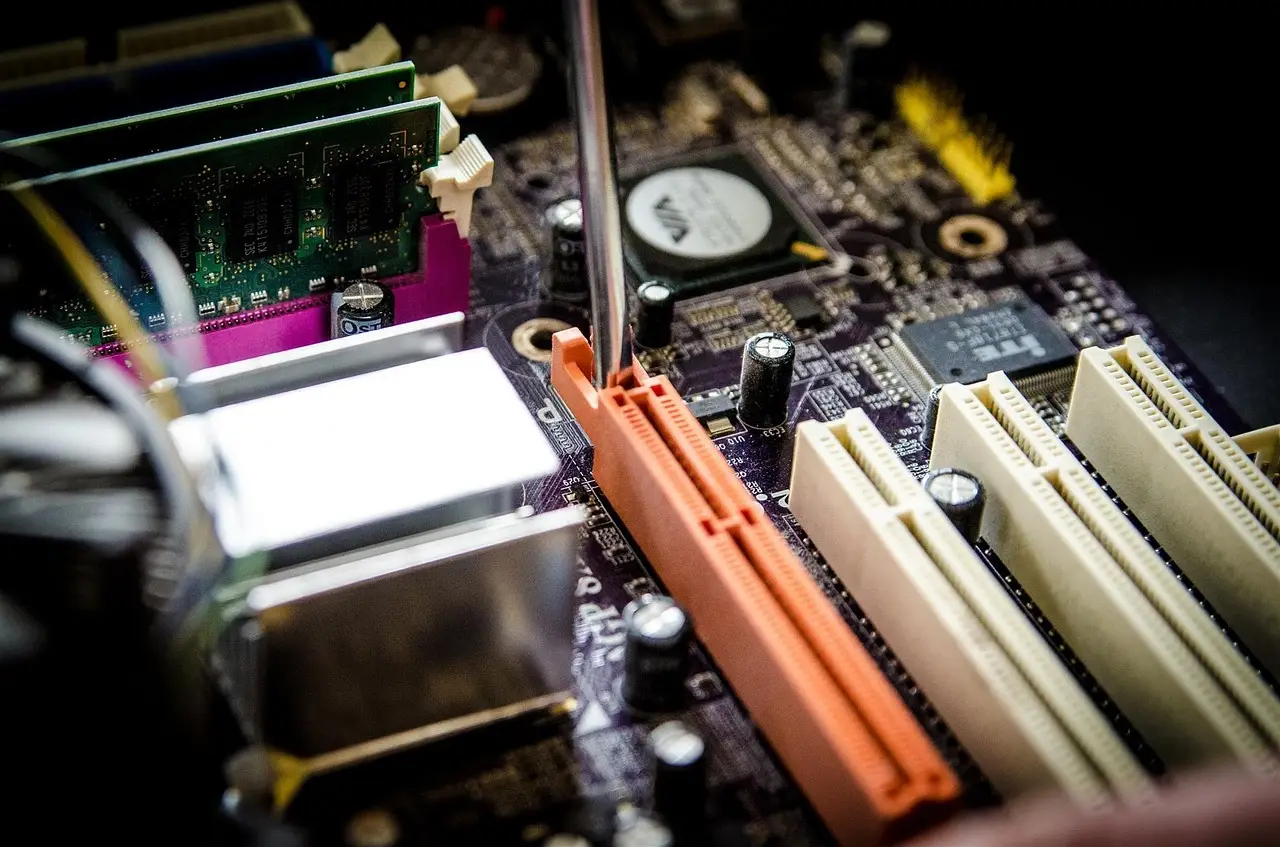
Sipeed's MaixStation, a pocket-sized Linux AI workstation built on Axera's AX8860P processor, delivers 256 TOPS of dense FP4 inference for a preliminary price below $2,000. The 128GB configuration starts below $4,000. A Kickstarter launch is scheduled for late 2026.
The AX8860P pairs 16 Arm Cortex-A55 cores with a dedicated NPU rated at 256 TOPS FP4. Memory support runs to 128GB of LPDDR5X on a 256-bit LPDDR5X-8533 interface, giving 273GB/s of bandwidth. The chip also integrates video-processing hardware and PCIe 5.0 connectivity.
How does it stack up against NVIDIA?
Sipeed has published preliminary, manufacturer-reported benchmarks comparing the 128GB MaixStation with NVIDIA's DGX Spark. Neither set of figures has been independently verified.
- Qwen3.8-27B at FP4: MaixStation hit 1,400 tokens per second on prompt prefill and 15 tokens per second on decoding. DGX Spark returned 1,300 and 13 tokens per second respectively.
- Qwen3.6-35B-A3B (mixture-of-experts): MaixStation reported 6,300 tokens per second prefill and 80 decoding, versus 5,600 and 80 for the DGX Spark.
Both systems were tested with multi-token prediction disabled, according to the company.
What can it actually run?
Sipeed says the 32GB model accommodates dense language models of roughly 27 billion parameters. The 128GB variant supports larger mixture-of-experts models (a design where only a subset of the network activates per token) up to 125 billion parameters, depending on architecture and precision.
The system ships around the Maix-V compute module, a 78 × 78mm board carrying the AX8860P and memory on an LPCAMM2 connector. The same module serves the MaixStation, MaixStation Pro, and MaixBlade families.
Hardware and expansion
The enclosure measures 110 × 110 × 30mm — about 363cm³. It includes a power button, USB Type-C power input, USB 3.0, a 10G SFP+ network port, and a physical mode switch. That switch toggles between direct USB connection to a host computer and serving inference over a 10Gbps network link. A small status display monitors device information.
Power comes via USB-C Power Delivery at roughly 40W typical consumption. Sipeed says a compatible 65W USB-C power bank can run it. Storage uses an M.2 2280 slot for NVMe SSDs.
Expansion plans go well beyond one box:
- Two MaixStation units link via MCIO 8i with PCIe 5.0 ×8, combining to 256GB of memory.
- A 512GB MaixStation Pro is on the roadmap.
- The MaixBlade, a PCIe accelerator card with four AX8860P processors, scales to 1TB or 2TB aggregate memory across multiple cards.
Software and open-source plans
MaixStation is expected to ship with Debian 13 and Linux kernel 6.18. Supported inference frameworks include vLLM, SGLang, PyTorch, llama.cpp, and Ollama, plus agent-oriented tooling such as OpenClaw and n8n.
The vLLM and SGLang implementations rely on a hardware-acceleration backend with kernels written in Axera's AXDSL programming language. Sipeed plans to open-source those kernels and the associated development tools, and is working toward broader availability of the AX8860 SDK.
The system should arrive with preloaded language models, a browser-based interface, and OpenAI- and Anthropic-compatible APIs for local inference services.
What does the pricing mean for buyers?
Final crowdfunding prices and shipping dates remain unconfirmed. Sipeed is preparing a $30 reservation program that returns a $100 rebate on eligible Kickstarter pledges after delivery, subject to its reservation terms. For developers weighing local inference hardware under $2,000, the MaixStation's spec sheet — and its benchmark claims — will draw direct comparison with pricier alternatives.
via Google News: NPU (Source)
More from Grace Kim
Show full bio
Market editor covering regulation, policy and their impact on hardware layer of artificial intelligence at Die Signal.
565 articles
Same lot · LOT-360D
- DSG-79313nmAxera Claims AX8860 Beats Nvidia DGX Spark by 25% in LLM Tests
- DSG-369465nmNVIDIA Ships DGX Spark 64GB at $4,999 for Local AI
- DSG-506628nmNvidia's Vera CPU Benchmarked: 1.2 TB/s Bandwidth Takes On x86 Flagships
- DSG-986814nmNVIDIA Floods GTC Berlin With Local AI Hardware, Models and Tooling
- DSG-787628nmNvidia's 88-Core Vera CPU Edges AMD EPYC, Trails in Crypto