Test report DSG-5066 · Rev C · tested October 30, 2026
Processors & AcceleratorsDevice under test
Nvidia's Vera CPU Benchmarked: 1.2 TB/s Bandwidth Takes On x86 Flagships
Nvidia's 88-core Vera CPU hits 1.2 TB/s memory bandwidth and leads EPYC 9755 in SPEC 2026 and Python tests in its first standalone benchmarks against x86 flagships.
- Read
- 4 min
- Words
- 717
- Node
- 28nm
- Operator
- Elena Vasquez
Spec summary
- Vera offers up to 1.2 TB/s aggregate memory bandwidth (14 GB/s per core), more than double AMD's dense Turin designs
- In estimated SPEC CPU 2026 intrate, Vera beats the EPYC 9755 by 1.5% with 352 threads against the 9755 system's 512
- Vera leads PyBench by 4% over the EPYC 9755 and is nearly 40% faster in cold-cache ClickHouse runs
- The 88-core Olympus chip runs Armv9.2-A with SOCAMM2 LPDDR5X-9600 and a 250W–450W configurable TDP
- AMD's Zen 6 (Venice) arrives through year-end; Intel's Diamond Rapids targets 2027
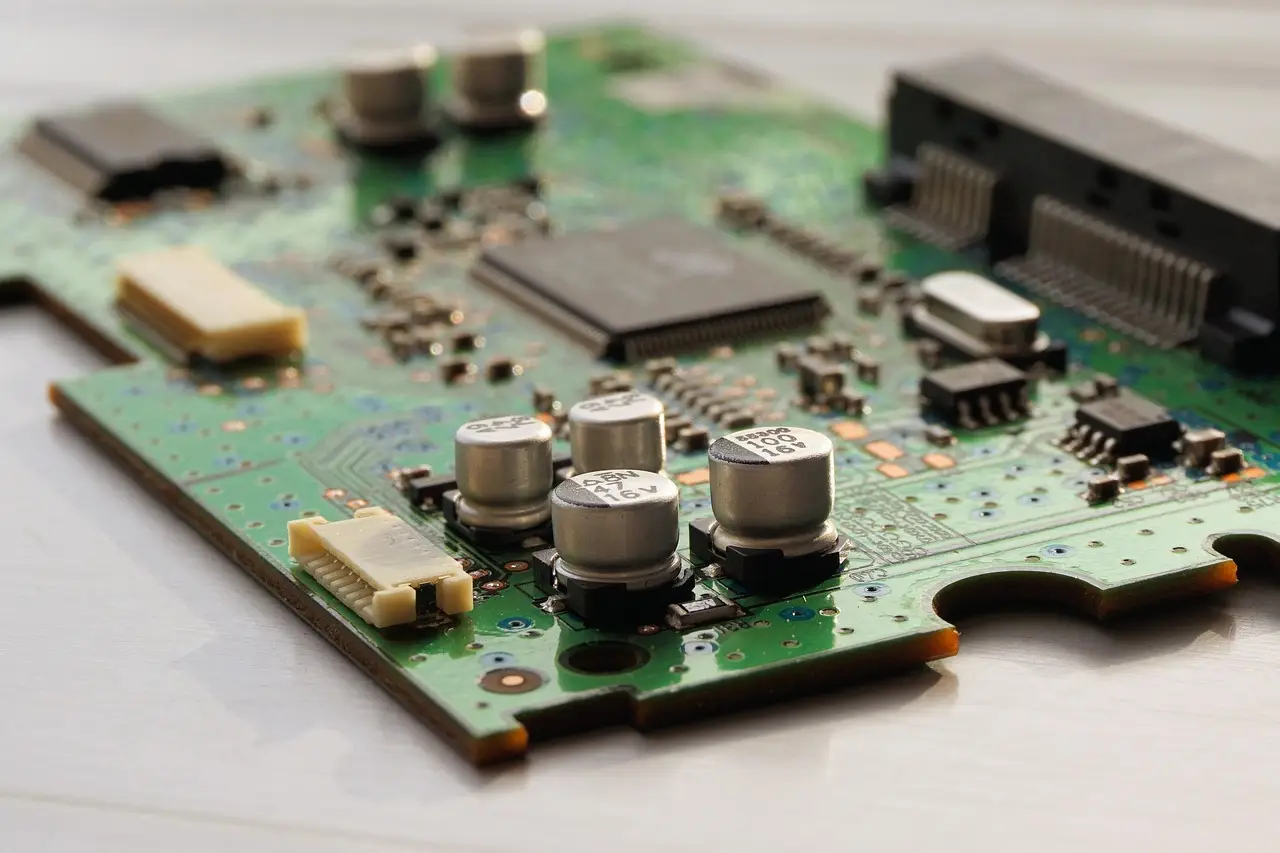
Nvidia's Vera CPU delivers up to 1.2 TB/s of aggregate memory bandwidth — more than double AMD's dense Turin designs — and it backs that number up with chart-topping Python performance in the first standalone benchmarks against Intel's Granite Rapids-AP and AMD's EPYC Turin.
The 88-core chip, built on the Armv9.2-A architecture with two threads per core via Nvidia's "spatial multithreading," runs 176 threads per socket. Each Olympus core — Nvidia's first custom design — carries 2 MB of L2, with 164 MB of L3 distributed per CPU. Memory comes as replaceable SOCAMM2 LPDDR5X at up to 9600 MT/s, capacity up to 1.5 TB, translating to roughly 14 GB/s per core. TDP is configurable between 250W and 450W, and the chip exposes 88 PCIe 6.4 lanes with CXL 3.1 support — 96 lanes in the full Vera Rubin configuration.
Testing ran on a dual-socket Nvidia MGX Vera reference platform with 1.5 TB of Samsung LPDDR5X, against a Supermicro SYS-222HA carrying Intel Xeon 6980P processors with Micron DDR5-8800 MRDIMMs, and an AMD Volano reference platform running EPYC 9965 and 9755 parts with SK hynix DDR5-6000 RDIMMs.
What do the SPEC CPU 2026 numbers show?
In estimated SPEC CPU 2026 intrate results compiled with GCC 15.2 and jemalloc, Vera lands 1.5% ahead of the EPYC 9755 — close to Nvidia's own white paper claim of a 3% lead. That's with the 9755 system offering 512 threads against Vera's 352, and per-core scores favor Vera decisively. Intel's 512-thread Xeon 6980P trails: even after a 10% gain from oneAPI-optimized binaries, generic GCC on Vera stays 8.6% ahead.
Floating point tells a similar story. Strong showings in PALM, ROMS, Marian and LBM — workloads that lean on the second-generation Scalable Coherency Fabric and memory bandwidth — put Vera at the top of the estimated charts, with misses only in FemFlow and CACTUS.
How does Vera handle agentic workloads?
Python is the closest proxy for agentic AI today, since frameworks like LangGraph, CrewAI and AutoGen sit on it. Vera leads PyBench averages by 4% over the EPYC 9755, and tops PyPerformance nearly across the board, missing only in a couple of web server-focused tests.
Database results are equally notable. Vera wins the 64-thread and 128-thread SQLite tests, and in ClickHouse it's competitive with a dual EPYC 9755 in warm runs — but from a cold cache it's nearly 40% faster. JSON parsing via simdjson favors Turin's native AVX-512, and cryptography is a clear weakness: Vera trails significantly in John The Ripper and loses OpenSSL to the larger core arrays.
Where does the chip fall short?
Compression splits. Vera takes Zstd compression at both level 3 and level 19, but falls behind on decompression. 7-Zip, which traditionally favors Zen, goes to both Turin configurations. CacheBench's combined read/modify/write test puts Vera at the back of the pack, though memory bandwidth largely papers over that gap.
Code compilation trades blows: Vera beats a dual 9755 system by 12% in a timed GCC build and wins ImageMagick and PHP compiles, but lands last in LLVM compilation. AV1 encoding belongs to the 9755 by 25%+ margins, while Vera takes x265. Blender was skipped — no official Arm Linux build — but Vera wins C-Ray and POV-Ray, outclassing even the 768 threads of a 2P EPYC 9965 at 1080p and 4K. AVX-512-heavy OSPRay "dim_512" gives AMD three to four times Vera's performance.
What happens next?
Nvidia itself frames Vera as one option, not the whole market. "The world is not going to be served by one SKU of CPU. And that's not our intention," said Nvidia's Ian Buck when the chip was revealed in March.
The x86 response is coming: AMD's Zen 6 rolls out through the end of the year, with Venice touting much higher memory bandwidth, and Intel's Diamond Rapids targets 2027. Standardized end-to-end agentic benchmarks don't exist yet — Google Cloud's Mark Lohmeyer notes the industry will need them. Until then, Vera's debut suggests Nvidia's standalone CPU push has legs, and it demands attention from AMD and Intel.
via Tom's Hardware (Source)
More from Elena Vasquez
Show full bio
Senior reporter covering people, launches and day-to-day practice in hardware layer of artificial intelligence at Die Signal.
508 articles
Same lot · LOT-C204
- DSG-787628nmNvidia's 88-Core Vera CPU Edges AMD EPYC, Trails in Crypto
- DSG-823420nmNvidia Vera: 1.228 TB/s Memory, 164 MB L3 and the Cost of Latency
- DSG-34455nmNvidia Vera CPU begins shipping in multiple form factors
- DSG-251410nmVera silicon outperforms NVIDIA's own whitepaper arguments
- DSG-384028nmNVIDIA's Olympus Server Core: 10-Wide, 3.3 GHz, Near-Desktop IPC