Test report DSG-7876 · Rev E · tested October 30, 2026
Processors & AcceleratorsDevice under test
Nvidia's 88-Core Vera CPU Edges AMD EPYC, Trails in Crypto
Nvidia's 88-core Vera CPU beat dual EPYC 9755 by 1.5% on SPEC CPU 2026 and led PyBench by 4%, but trails AMD and Intel in cryptography and compression workloads.
- Read
- 4 min
- Words
- 706
- Node
- 28nm
- Operator
- Amara Osei
Spec summary
- Vera beat dual EPYC 9755 by 1.5% on SPEC CPU 2026 intrate and stayed 8.6% ahead of Xeon 6980P on GCC builds
- Each Vera CPU carries up to 1.5 TB SOCAMM2 LPDDR5X at 9,600 MT/s, about 1.2 TB/s aggregate bandwidth
- Vera ran nearly 40% faster than EPYC 9755 on cold-cache ClickHouse and led PyBench by 4%
- Power draw averaged 430–440 watts per CPU with a 535-watt peak at 3.2–3.3 GHz clocks
- Intel's Coral Rapids arrives in 2028 on 14A with restored SMT; AMD's Zen 6 EPYC Venice is ramping now
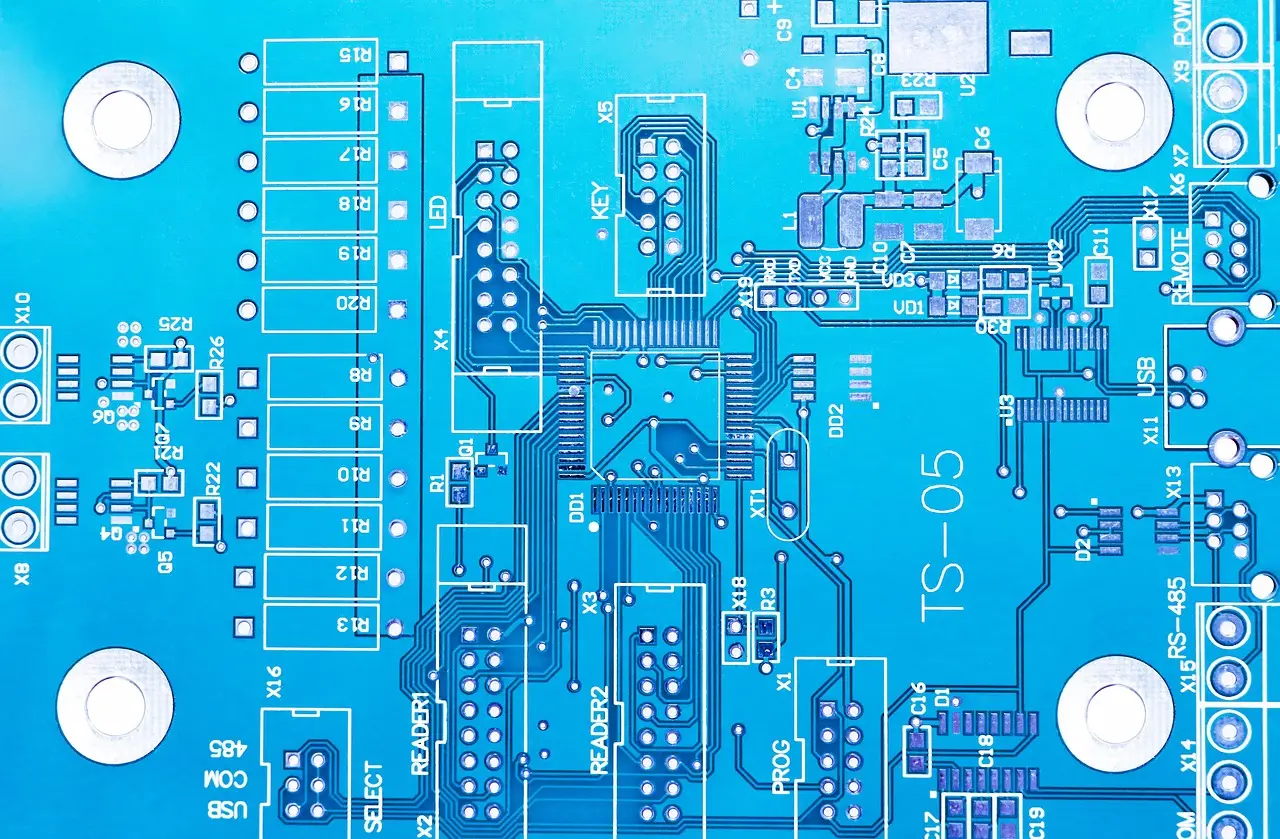
Nvidia's 88-core Vera CPU beat a dual AMD EPYC 9755 system by 1.5% on SPEC CPU 2026 intrate in independent testing, marking the company's first purpose-built data center processor as a credible contender in general-purpose server work — not just AI-adjacent compute. Tom's Hardware ran the benchmarks on a dual-socket Nvidia MGX Vera reference platform built on the custom Olympus core.
Vera pairs 88 Olympus cores with spatial multithreading for 176 threads per socket and 352 threads per two-socket system. Each CPU carries up to 1.5 TB of replaceable SOCAMM2 LPDDR5X memory at 9,600 MT/s, delivering roughly 1.2 TB/s of aggregate bandwidth — about 14 GB/s per core. A second-generation Scalable Coherency Fabric distributes L3 cache across the die at up to 3.4 TB/s.
How does Vera score against x86?
- SPEC CPU 2026 intrate: 1.5% ahead of dual EPYC 9755 (which fields 512 threads to Vera's 352), close to the 3% margin in Nvidia's white paper. Intel's Xeon 6980P trailed both; even after retesting with Intel-optimized oneAPI binaries lifted its score by roughly 10%, Vera stayed 8.6% ahead on generic GCC builds.
- Python: Vera led the PyBench average by 4% over EPYC 9755 and topped nearly every PyPerformance test except a handful of web-server workloads.
- Memory bandwidth: The STREAM benchmark placed Vera well beyond Intel's MRDIMM platform and AMD's DDR5-6000 setup. An OpenMP "spread" policy Nvidia suggested — distributing processes to cut cache contention — slightly hurt AMD and Intel but produced a large gain for Vera.
Database and compilation results split. Vera trailed only a single-socket Xeon 6980P in maximum-thread SQLite and led in like-for-like 64-thread and 128-thread runs. It ran nearly 40% faster than a dual EPYC 9755 on ClickHouse from a cold cache and stayed competitive in steady state. It beat the dual 9755 by 12% in timed GCC compilation but finished last in LLVM builds under both Make and Ninja.
Where does Vera fall short?
Weak spots clustered in cryptography and compression. Vera fell well behind in John the Ripper, trailed in OpenSSL, lost to AMD's Turin chips on Zstd decompression and to a dual Xeon 6980P on 7-Zip. Intel's AI-specific instruction extensions put its chips ahead in Llama.cpp prompt processing, though such workloads normally run on GPUs. AMD's native AVX-512 support gave it a decisive edge in certain OSPRay visualization workloads.
Separate Phoronix testing found Vera scales cleanly from one socket to two. Across dozens of NUMA-friendly Linux workloads — OSPRay, Coremark, Stream, QuantLib, Liquid-DSP, OpenSSL 4.1 and Stockfish among them — the dual-socket configuration showed no scalability problems. Clocks held at an average 3.2 GHz with a 3.3 GHz peak; each CPU drew roughly 430–440 watts on average and peaked at 535 watts.
What comes next?
Vera enters a contested field. Custom Arm silicon is advancing in hyperscale data centers, and AMD and Intel retain incumbency and deep customer relationships. Nvidia's Ian Buck said at the March unveiling that the market would not be served by a single CPU SKU and that a broad lineup was not the company's intention. Grace, Nvidia's earlier server CPU, relied on an off-the-shelf Arm design; Olympus is the first custom core, and the improvement is broad.
Competitors have already scheduled responses. AMD's Zen 6-based EPYC Venice is ramping now. Intel's Diamond Rapids, with up to 256 P-cores, is due in 2027, and CEO Lip-Bu Tan told investors on the third-quarter 2026 earnings call that Coral Rapids will arrive in 2028 on the 14A process and restore simultaneous multithreading. He described Coral Rapids as competitive with AMD's EPYC line and said subsequent generations would move ahead.
For buyers, chip selection remains workload-dependent: Vera's case rests on memory bandwidth, Python throughput and clean multi-socket scaling, with cryptography and some compression tasks as the trade-off. Standardized benchmarks covering full agentic AI loops do not yet exist, so the industry will judge the chip on proxies until they do.
via Google News: GPU datacenter (Source)
More from Amara Osei
Show full bio
Staff writer covering money, funding and market shifts around hardware layer of artificial intelligence at Die Signal.
516 articles
Same lot · LOT-C204
- DSG-506628nmNvidia's Vera CPU Benchmarked: 1.2 TB/s Bandwidth Takes On x86 Flagships
- DSG-823420nmNvidia Vera: 1.228 TB/s Memory, 164 MB L3 and the Cost of Latency
- DSG-251410nmVera silicon outperforms NVIDIA's own whitepaper arguments
- DSG-34455nmNvidia Vera CPU begins shipping in multiple form factors
- DSG-384028nmNVIDIA's Olympus Server Core: 10-Wide, 3.3 GHz, Near-Desktop IPC