Test report · tested November 20, 2026
AI Datacenter InfrastructureDevice under test
Senate Passes Bill Shifting AI Data Center Grid Costs to Big Tech
The U.S. Senate passed BAAJA 62–33 on November 19, 2026, forcing large AI data centers to fund grid upgrades. Winners include Constellation, Vistra and Eaton; AEP faces mixed effects.
- Read
- 3 min
- Words
- 538
- Segment
- AI Datacenter Infrastructure
- Operator
- Amara Osei
Spec summary
- The U.S. Senate passed BAAJA 62–33 on November 19, 2026.
- The bill directs regulators to make large data centers pay a greater share of grid upgrade costs.
- PJM electricity costs reached historic levels in Q3 2026 on surging data center load.
- The bill still requires passage in the House before becoming law.
- Constellation Energy, Vistra and Eaton are positioned as beneficiaries; AEP faces a mixed outcome.
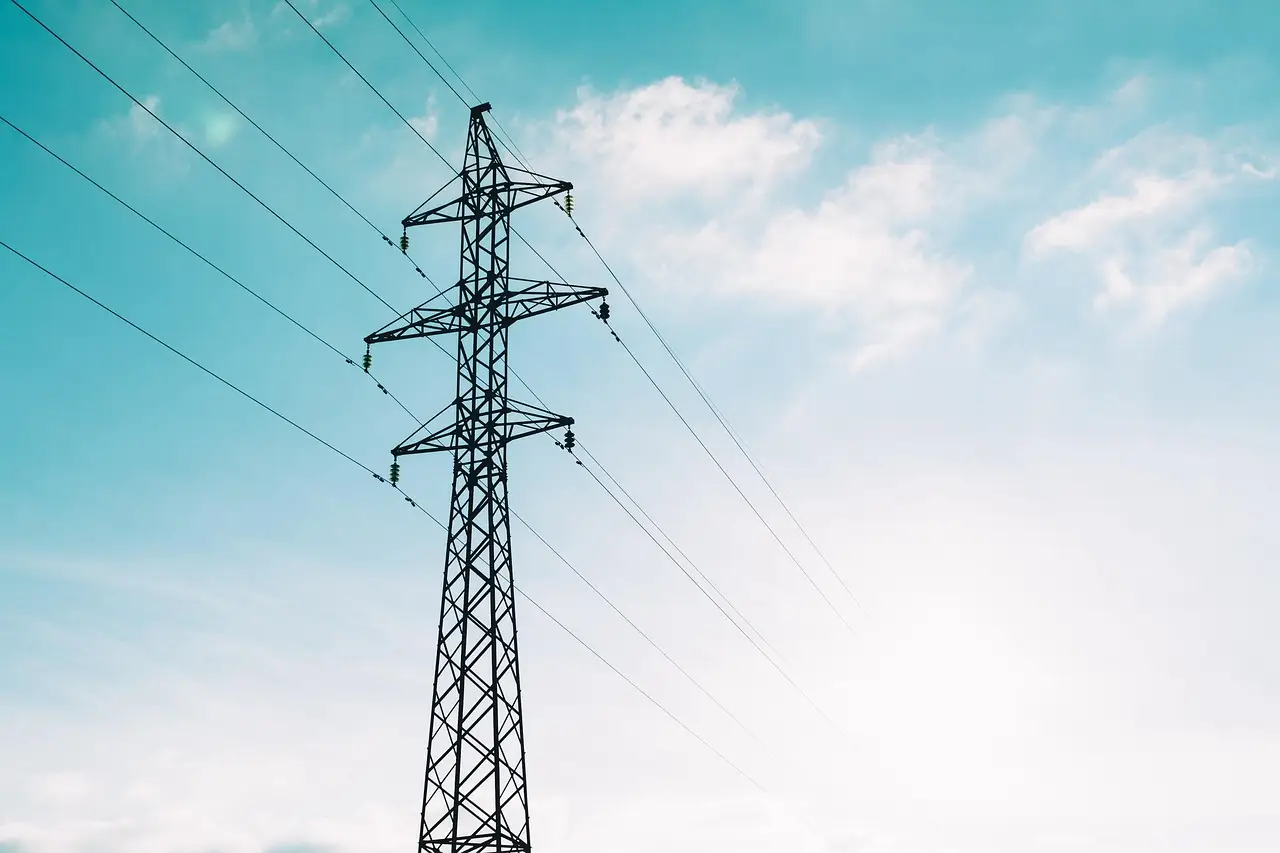
The U.S. Senate passed the Bipartisan American Affordability and Jobs Act (BAAJA) by a 62–33 vote on November 19, 2026, directing regulators to make large data centers pay a greater share of the grid upgrades their electricity demand requires. The bill's data center provisions move the cost of AI's power consumption off residential bills and onto hyperscalers, and the legislation now heads to House reconciliation, where the text could change.
For two years, AI computing has dominated market headlines. Its biggest physical constraint sits on regional power grids. In markets like PJM Interconnection, surging load and tight capacity have already pushed electricity costs to historic levels, according to the PJM Market Monitor's Third Quarter 2026 Market Report.
Who gains pricing power under the new rules?
Independent power producers with firm baseload generation gain significant leverage under BAAJA's proposed framework. Nuclear operator Constellation Energy (CEG) and power producer Vistra (VST) top that list. When public grid connections become more expensive and slow to obtain, dedicated power purchasing agreements and behind-the-meter co-locations become far more valuable to big tech.
The logic is structural rather than speculative: forcing hyperscalers to fund their own grid expansion changes who carries financial risk, removes public ratepayer pushback, and highlights where pricing power actually lives.
What happens to equipment suppliers and utilities?
Electrical equipment suppliers such as Eaton (ETN) stand to gain regardless of who writes the check. High-voltage transformers, switchgear, and grid automation equipment are required whether projects are utility-funded or privately underwritten by hyperscalers. If streamlined federal permitting reduces legal delays, existing equipment backlogs can convert into revenue faster.
The picture is more balanced for regulated utilities like American Electric Power (AEP). Avoiding residential rate-case fights is a positive, but direct private funding could limit growth in their traditional regulated rate base.
The bill's implications split across the sector:
- Winners with pricing discipline: Constellation Energy and Vistra, whose firm baseload output becomes more valuable as interconnection costs rise.
- Winners on volume: Eaton and similar equipment makers, whose transformer and switchgear backlogs convert to revenue under either funding model.
- Mixed outcome: AEP and other regulated utilities, which shed rate-case friction but may see slower regulated rate base growth.
- Under pressure: Cloud providers and hyperscalers, which now carry grid upgrade costs directly.
What are the risks?
The bear case centers on cost inflation and execution limits. Higher interconnection fees and mandatory exit penalties could cause cloud providers to trim peripheral data center builds. BAAJA must still pass the House, where reconciling text could introduce new compliance hurdles. Legal permitting reform cannot instantly fix global transformer shortages or skilled labor bottlenecks.
The core open question for the industry: will hyperscalers absorb higher grid fees to protect deployment timelines, or will cost-allocation rules accelerate off-grid nuclear and microgrid solutions?
For long-term investors, the November 19 vote marks a shift from speculative AI power headlines to real-world infrastructure execution. The strategy involves prioritizing firm power producers with pricing discipline and hardware manufacturers with deep backlogs, rather than assuming every energy ticker benefits equally from the AI trade.
The bill still needs a House majority before any of this becomes law.
via tradingview.com (Source)
More from Amara Osei
Show full bio
Staff writer covering money, funding and market shifts around hardware layer of artificial intelligence at Die Signal.
777 articles
Same lot
- Alphabet's Power Lock-In: Grid Deals Turn AI's Bottleneck Into an Edge
- Senate Votes 62-33 to Make Big AI Data Centers Pay More for Grid
- Senate Starts Data Center Power-Cost Debate After 73-25 Vote
- AI Data Center Power Demand to Double by 2030, IEA Warns
- Senate Votes Nov. 9 on Data Center Permitting and Grid Cost Bill