Test report · tested November 20, 2026
AI Datacenter InfrastructureDevice under test
AI Data Center Power Demand to Double by 2030, IEA Warns
The IEA's World Energy Outlook 2026 says AI data center power demand doubles by 2030, adding a second Great Britain's worth of load. Grids, not chips, are the bottleneck.
- Read
- 3 min
- Words
- 507
- Segment
- AI Datacenter Infrastructure
- Operator
- Elena Vasquez
Spec summary
- AI data center power demand will double by 2030, equal to adding a second Great Britain to global load
- 93 large 'AI factories' tracked by satellite grew from under 2GW to 17GW in two years, targeting 50GW
- Coal and gas emissions from data centers expected to rise 70% by 2030
- Cumulative AI data center investment projected at $32 trillion by 2050
- About 180GW of self-generation planned or under construction in the U.S.
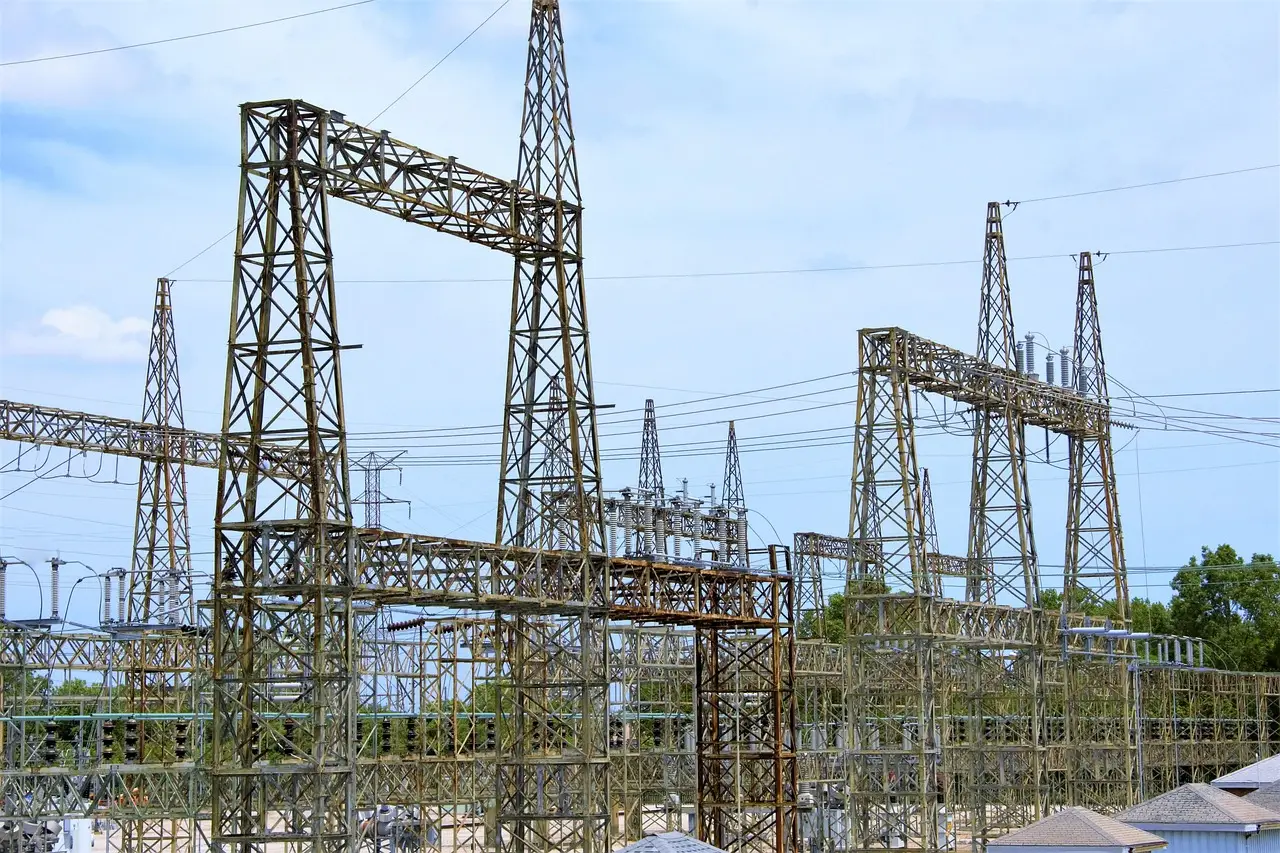
AI data centers will draw twice the power by 2030, according to the International Energy Agency's World Energy Outlook 2026 — the equivalent of bolting an entire second Great Britain onto global electricity demand. The build-out rides on roughly $4 trillion in spending, and the IEA's message for grid planners is blunt: chips aren't the constraint. Power infrastructure is.
The numbers behind that warning are concrete. Today, all data centers worldwide offer about 120GW of capacity. Another 120GW should come online by the end of the decade, and 75% of that new capacity is earmarked for AI workloads. Satellite imagery backs this up: the IEA is tracking 93 large "AI factories" under construction or expansion, whose combined capacity jumped from under 2GW to 17GW in just two years. On completion, those sites alone should hit 50GW.
What does this mean for electricity prices?
Community opposition to data centers often centers on utility bills, and residents have blamed new projects for pushing prices up. The IEA, however, said its analysis "does not yet show a clear relationship between growth in data center capacity and increases in electricity prices."
The agency laid out the two scenarios practitioners should watch:
- If a data center uses existing grid capacity and pays its share of the cost, it could actually lower utility bills for all customers.
- If the operator must upgrade the system to serve one large consumer, monthly bills could rise when those costs are spread across everyone on the network.
How clean is the power, really?
Here's the gap worth noting: renewables account for nearly 50% of data centers' power purchase agreements, yet coal and natural gas supply closer to 60% of actual generation. Reliability drives the split — fossil plants fill in when wind and solar can't deliver what a hyperscale campus needs.
Some projects are sidestepping the grid entirely. Elon Musk's Colossus 2 in Southaven, Mississippi, is one example, and about 180GW of self-generation is planned or under construction in the U.S. Even so, the IEA expects coal- and gas-related emissions from data centers to climb 70% by 2030.
Why is the grid the bottleneck?
Cumulative investment in AI data centers is projected to reach $32 trillion by 2050 — more than railways, electrification, and the internet combined. But money can't compress construction timelines. Renewable plants take one to five years to build, roughly the same as a massive data center project that avoids extended moratoriums. Transmission lines take three to five times longer than that.
That timing mismatch explains a workaround that's now hitting its own limit: some AI hyperscalers are installing jet engines on-site for power. Even those face shortages, particularly in turbine blades.
For grid operators, utilities, and data center teams, the takeaway is about sequencing. The demand is arriving on data center timelines, while the infrastructure to serve it moves on transmission timelines — and the gap between the two is where the next decade's conflicts over siting, pricing, and emissions will play out.
via tomshardware.com (Source)
More from Elena Vasquez
Show full bio
Senior reporter covering people, launches and day-to-day practice in hardware layer of artificial intelligence at Die Signal.
757 articles
Same lot
- Bernstein: AI Data Center Buildout Costs Hit $39.5 Billion per GW
- UBS: Power Supply Can Meet AI Chip Demand Through 2030
- Microsoft walks away from Nscale's Loughton data center
- Senate Passes Bill Shifting AI Data Center Grid Costs to Big Tech
- BlackRock and Nvidia Back $40 Billion AI Data Center Consortium