Test report · tested November 22, 2026
AI Datacenter InfrastructureDevice under test
Senate Votes 62-33 to Make Big AI Data Centers Pay More for Grid
The Senate passed BAAJA 62-33, directing FERC to make data centers above 20MW pay more grid infrastructure costs and overhauling US energy permitting. The House votes next.
- Read
- 3 min
- Words
- 680
- Segment
- AI Datacenter Infrastructure
- Operator
- Grace Kim
Spec summary
- US Senate passed BAAJA 62-33; bill now heads to the House of Representatives
- FERC would set ratepayer protections for data centers with capacity above 20MW
- Bill removes permits for onshore oil and gas drilling on non-federal land
- Democrats took both House and Senate in midterms held shortly before the vote
- Senate Democrats blocked the Ratepayer Protection Act one month earlier
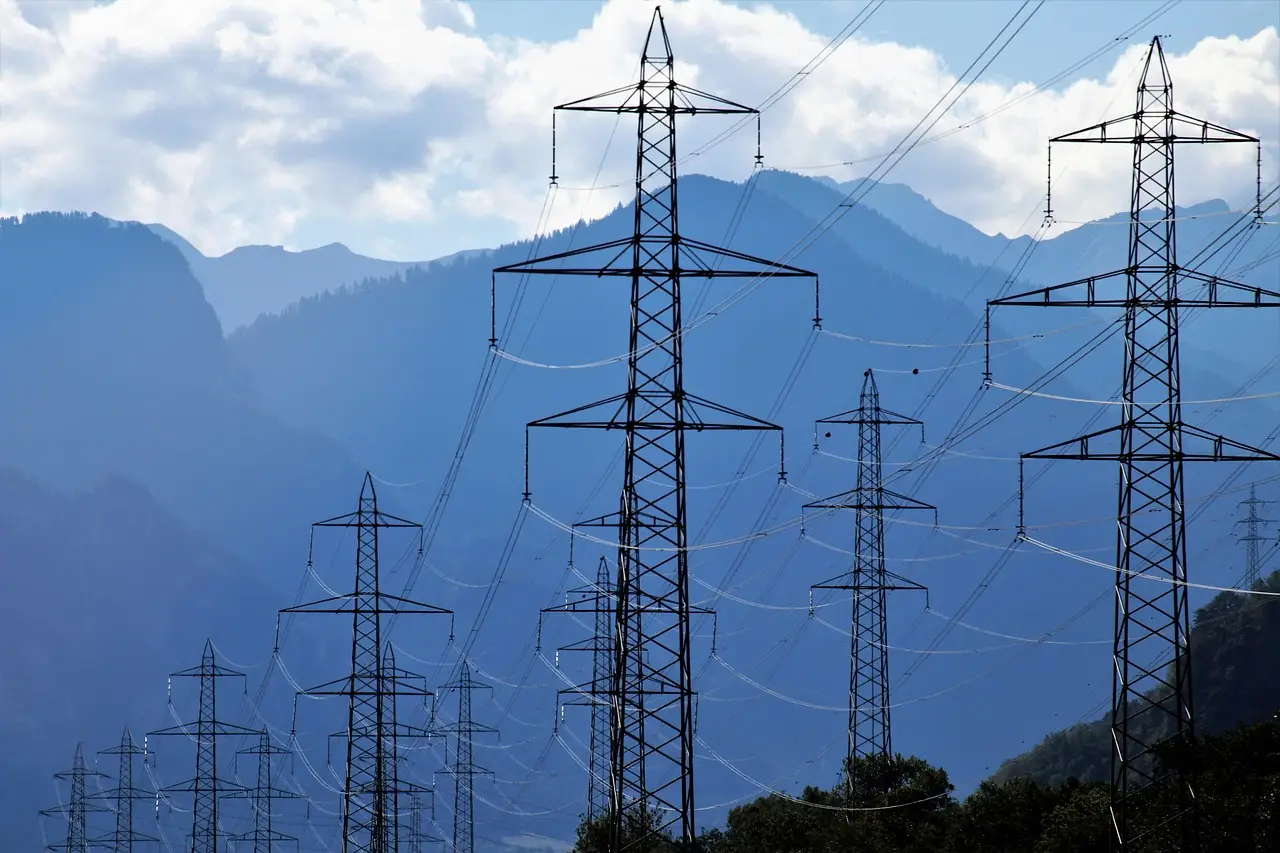
The US Senate passed a bipartisan bill on a 62-33 vote that would force AI data centers above 20MW to shoulder a larger share of the grid infrastructure costs tied to their electricity consumption. The Bipartisan American Affordability and Jobs Act (BAAJA) of 2026, sponsored by Republican Senator Shelley Moore Capito of West Virginia, now moves to the House of Representatives.
The core provision directs the Federal Energy Regulatory Commission (FERC, the body regulating interstate electricity markets) to establish ratepayer protections for data centers with capacity exceeding 20MW. In practice, that means large facilities pay more of the cost of building the energy infrastructure they depend on, rather than spreading it across residential and commercial customers.
But the data-center clause is only one piece. The bill packages several sweeping energy-permitting changes:
- Expands FERC's authority to issue construction permits for certain interstate electricity transmission projects
- Removes permit requirements for onshore oil and gas drilling on non-federal land
- Accelerates permitting for renewable energy, geothermal, hydropower and offshore energy projects
- Shortens deadlines for federal environmental reviews
- Limits the circumstances in which environmental permits can be revoked or challenged in court
Together, the measures amount to a significant overhaul of the country's permitting process, aimed at expediting major energy infrastructure projects that often take years to approve. If the House passes the bill without changes, it heads to the President for signature.
What does this change for operators?
For now, nothing is final. The House still has to vote. But if BAAJA becomes law as written, any operator planning a campus above the 20MW threshold faces a new cost structure: FERC would set rules requiring those facilities to cover a greater share of the transmission and distribution upgrades their load triggers. Operators budgeting gigawatt-scale builds would need to price that in.
A reluctant yes from Maine
Maine Senator Angus King, who voted for the bill, was blunt about its imperfections. "Is it a perfect bill? No, there are some things in it that I don't like. If I had written it myself, it may have said some other things," he said. "But it's the bill that we can get right now, and there is no clear alternative to it, either now or even in the next Congress."
King added: "It wasn't an easy choice. I listened to my environmental friends in Maine, many of whom were opposed to the bill; I talked to people in the energy field, particularly in the renewable field, and decided that, on balance, this bill is a lot better than the status quo."
Environmental groups push back
Critics argue the bill risks significant environmental damage by making fossil fuel infrastructure easier to build. Earth Justice, an environmental pressure group, attacked its NEPA provisions (NEPA being the National Environmental Policy Act, the statute governing federal environmental reviews).
"The bill exempts a wide array of government actions from NEPA, including loans, loan guarantees, and pipeline expansions within existing rights-of-way," the group said in a statement. "It also limits an agency's ability to consider reasonable alternatives to proposed actions and prohibits agencies from considering new information or scientific developments that arise after an agency decides to commence its review."
Political timing
The vote lands shortly after the US midterms, in which the Democratic Party took control of both the House and the Senate. AI data centers were a key campaign issue. Communities across the US rallied against the gigawatt-scale campuses planned in many states, citing concerns over power and water availability and the impact of AI on the labor market.
There's recent precedent for grid-cost fights, too. Last month, Senate Democrats blocked the Ratepayer Protection Act, a nonbinding commitment that would have required data centers to cover the full cost of grid and generation upgrades needed to serve their facilities. Their argument: it didn't do enough to shield regular ratepayers from energy price rises.
BAAJA goes further than that failed measure, and it cleared the Senate with bipartisan support. The House is the next test.
via datacenterdynamics.com (Source)
More from Grace Kim
Show full bio
Market editor covering regulation, policy and their impact on hardware layer of artificial intelligence at Die Signal.
749 articles
Same lot
- Senate Starts Data Center Power-Cost Debate After 73-25 Vote
- Senate Votes Nov. 9 on Data Center Permitting and Grid Cost Bill
- Senate Passes Bill Shifting AI Data Center Grid Costs to Big Tech
- 40 of 41 Data Center Measures Rejected; Venture Global Rises 7.1%
- Rep. Dexter's bill claws back federal lands sold for data centers