Test report DSG-5528 · Rev C · tested November 8, 2026
Memory & StorageDevice under test
Samsung Holds 38% of Global DRAM Market in Q3, Yonhap Reports
Counterpoint data shows Samsung held 38 percent of global DRAM revenue in Q3, SK hynix rose to 29 percent, and CXMT's 9 percent share may fall as HBM4 supply begins.
- Read
- 2 min
- Words
- 439
- Node
- 28nm
- Operator
- Marcus Bennett
Spec summary
- Samsung held 38 percent of global DRAM revenue in Q3, down from 39 percent in Q2
- SK hynix gained 3 percentage points quarter-on-quarter to reach 29 percent
- Micron ranked third at 21 percent; CXMT fourth at 9 percent
- Counterpoint projects CXMT share could decline as Korean HBM4 supply starts in Q4
- Data reported by Yonhap News Agency on November 5, 2025
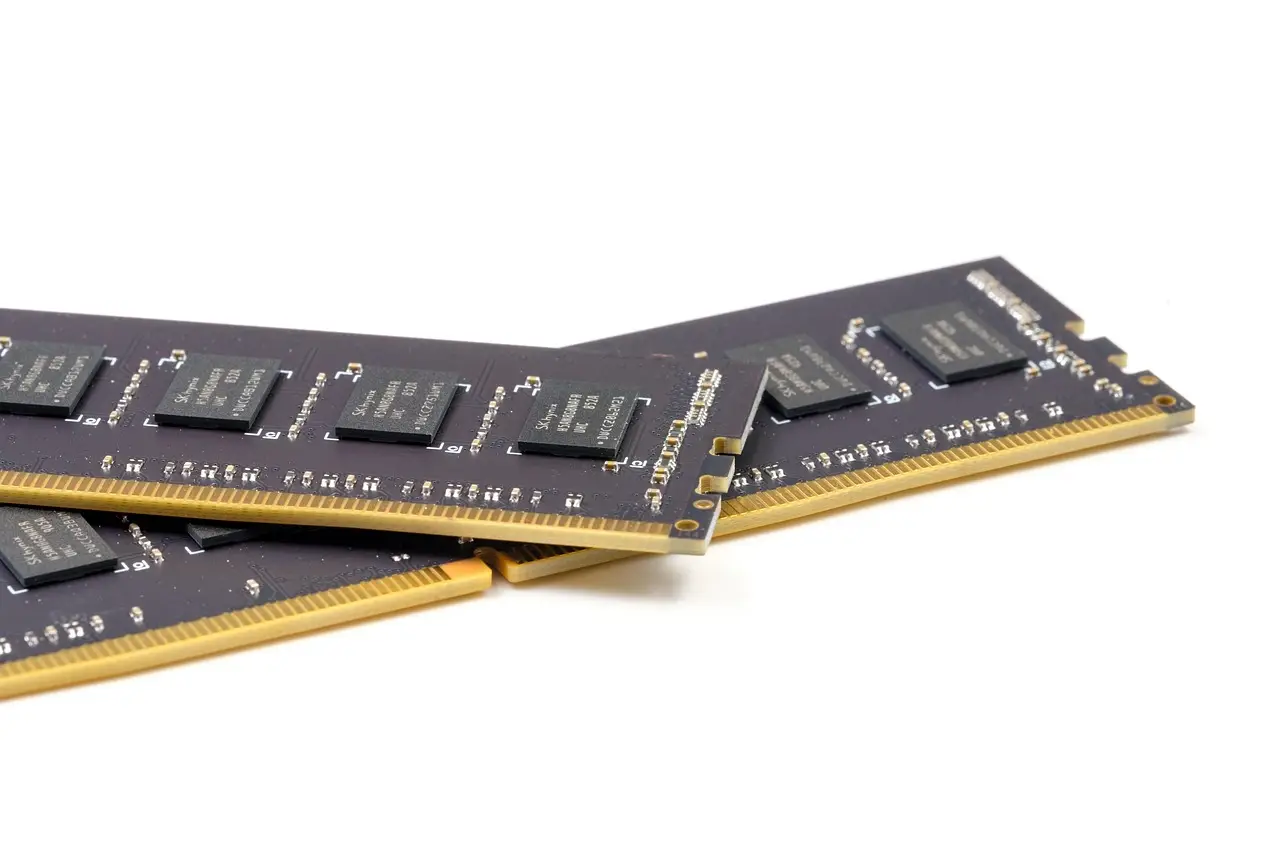
Samsung Electronics controlled 38 percent of global DRAM revenue in the third quarter, keeping the top spot ahead of SK hynix at 29 percent, according to Counterpoint Research data reported by Yonhap News Agency on November 5.
The numbers cover the July-September period. Samsung's share slipped one point from 39 percent in the second quarter. The decline did not threaten its lead.
SK hynix moved in the opposite direction. Its share rose 3 percentage points from the previous quarter, recovering ground it had lost earlier in the year. The gain narrowed the gap between South Korea's two memory makers.
How the rest of the field placed
Micron Technology of the United States ranked third with 21 percent. China's ChangXin Memory Technologies, known as CXMT, took fourth place with 9 percent.
The ranking puts two Korean firms in control of roughly two-thirds of global DRAM revenue. That concentration matters for pricing. When two suppliers hold 67 percent of a market, their output decisions shape contract prices for PC, server and handset makers worldwide.
What does HBM4 change for CXMT?
Counterpoint Research projected that CXMT's 9 percent share could decline further. The reason is timing. South Korean chipmakers begin supplying premium fourth-generation high-bandwidth memory, or HBM4, in the fourth quarter.
HBM4 sits at the high end of the memory stack. It commands premium pricing and serves demand from AI accelerators. Korean suppliers moving volume into that segment strengthens their revenue base, while CXMT remains concentrated in conventional DRAM products where margins are thinner.
The mechanism is straightforward. If Samsung and SK hynix shift more wafer capacity toward HBM4, they pull supply and revenue out of the commodity DRAM pool at the margin. Every point of share they add is a point someone else loses, and CXMT, as the smallest of the four named players, has the least cushion.
What does this change for buyers?
For memory buyers, the quarter confirms stability at the top. Samsung keeps the lead it has held despite a one-point slide. SK hynix's recovery suggests competitive pressure between the two Korean firms will continue, which historically keeps pricing honest in standard DRAM segments.
The open question is the fourth quarter. HBM4 shipments from Korean suppliers are the variable to watch. Counterpoint's own projection ties CXMT's trajectory to that rollout, so Q4 data will test whether premium chip supply can reshape a ranking that has otherwise held steady through 2025.
The report was based on revenue share data from Counterpoint Research, a market tracker, and published by Yonhap News Agency from Seoul on Thursday, November 5.
via Google News: DRAM chip (Source)
More from Marcus Bennett
Show full bio
News editor covering regulation, policy and their impact on hardware layer of artificial intelligence at Die Signal.
591 articles
Same lot · LOT-360F
- DSG-688914nmKorean Chip Stocks Slide as China Advances Its DRAM Push
- DSG-44257nmMicron Closes Gap on SK Hynix in Global DRAM Rankings
- DSG-352620nmMicron, SK Hynix Shares Slip as China's CXMT Advances Next-Gen DRAM
- DSG-17875nmSamsung Reclaims DRAM Lead With 38% Share as Market Nears $200 Billion
- DSG-486420nmCXMT Claims DRAM Breakthrough; Samsung, SK Hynix Shares Fall