Test report DSG-9451 · Rev F · tested October 26, 2026
Memory & StorageDevice under test
Samsung and SK Hynix Stocks Fall 30% as Market Doubts AI Boom
Samsung and SK Hynix shares have dropped up to 31.4% in a month even as analysts project combined operating profits above 1,000 trillion won. The market is pricing in doubt.
- Read
- 3 min
- Words
- 631
- Node
- 65nm
- Operator
- Amara Osei
Spec summary
- Samsung Electronics and SK Hynix report Q3 earnings on October 28–29 after share declines of 24.5% and 31.4% over the past month.
- Combined 2026 operating profit projections for the two companies exceed 1,000 trillion Korean won; some analysts see 2027 profits 50% higher.
- Foreign ownership of Samsung and SK Hynix stood at 46.1% and 48.7% on October 23, below 2023–2026 averages of 51.7% and 53.3%.
- DRAM prices in Q3 reached roughly nine times their 2023 Q2 low; NAND flash prices hit about seven times that level, per Daishin Securities.
- Elon Musk said on October 25 he secured $40 billion in debt to purchase AI GPUs.
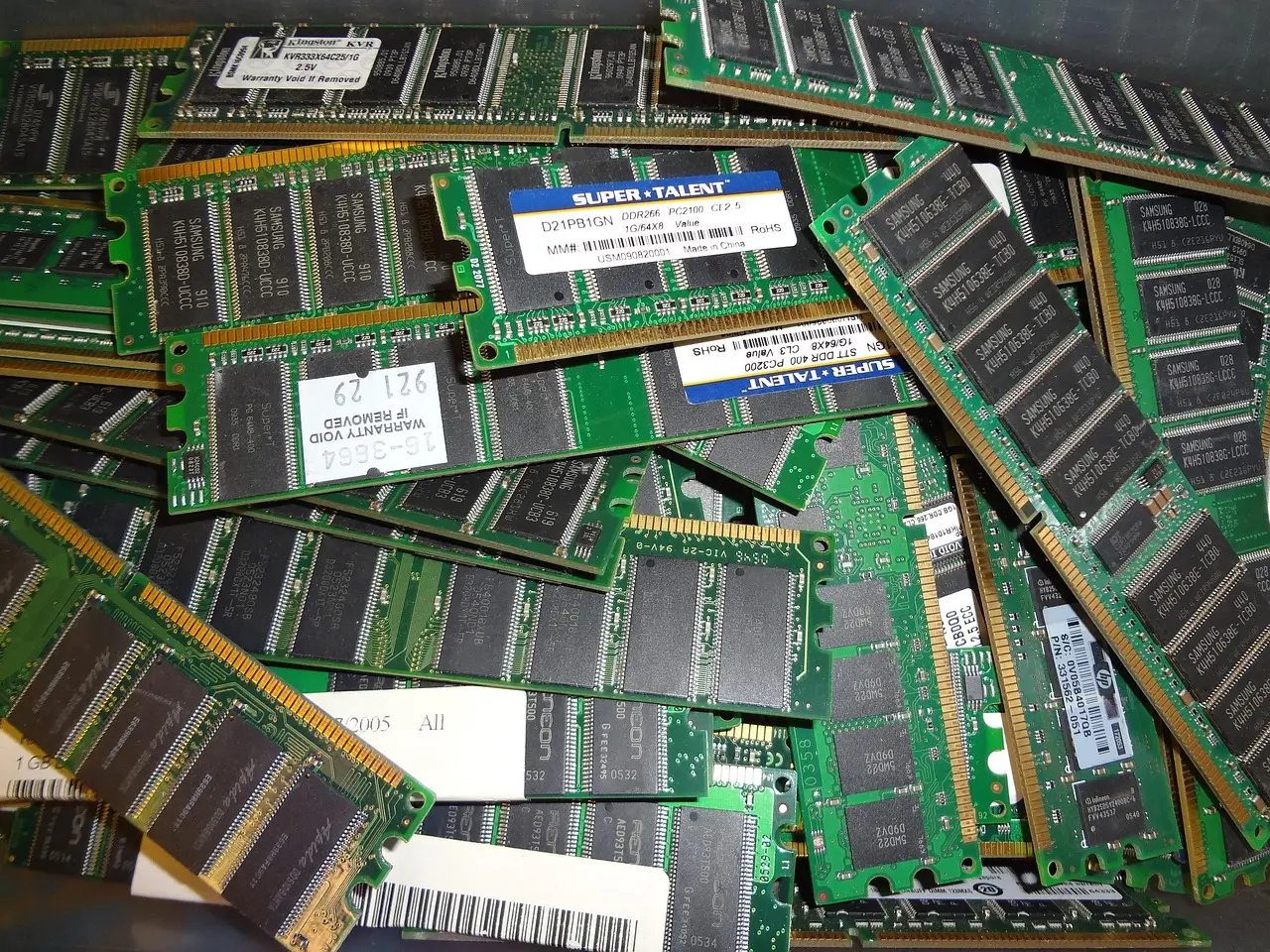
Samsung Electronics and SK Hynix have lost roughly 30% of their market value in a month, even though both companies will report record third-quarter earnings this week on October 28–29. The gap between profit outlook and share price is now the central question for Korea's memory chipmakers.
On October 23, Samsung closed at 215,500 won and SK Hynix at 1.277 million won, down 24.5% and 31.4% respectively over the past month. Securities firms have simultaneously raised their 2026 profit forecasts. Samsung is projected to post 555 trillion to 592 trillion won in operating profit next year; SK Hynix is expected to record 389 trillion to 455 trillion won. Combined, the two could exceed 1,000 trillion won. Some analysts predict their combined 2027 operating profit will run 50% above 2026.
Why are earnings records not lifting the stocks?
Foreign investors show the skepticism in hard numbers. As of October 23, foreign ownership of Samsung stood at 46.1% and SK Hynix at 48.7%, below their 2023–2026 averages of 51.7% and 53.3%. Improved earnings forecasts have not reversed the selling.
Valuation metrics point the same way. The 12-month forward price-to-earnings ratio for both companies has fallen to around 3. A PER that low can signal undervaluation against current profit estimates — or, in a volatile sector like semiconductors, an expectation that profits will decline after a peak. Which reading is correct depends on whether the AI memory boom is sustainable.
How far have memory prices run?
Daishin Securities calculated that third-quarter DRAM prices surged to roughly nine times their second-quarter 2023 low, while NAND flash prices reached about seven times that level. The rise cuts both ways. If prices keep climbing, customer costs soar; if they reverse, profit forecasts weaken.
Maintaining profitability after 2028, when memory supply is expected to increase, is critical for any stock rebound, the analysis suggests.
Can Big Tech keep funding the AI buildout?
This week's U.S. tech earnings will feed directly into semiconductor stock sentiment. Alphabet and Microsoft report third-quarter results on October 28, followed by Amazon on October 29. The market will scrutinize cloud growth, AI data center investment plans, and whether costs convert into revenue and cash flow. Samsung and SK Hynix's profit outlook depends on confirming their customers' financial health and spending capacity.
Funding pressure is already visible. Reuters, citing S&P Global analysis, reported that major tech firms' AI-related debt and obligations may exceed disclosed levels. On October 25, SpaceX CEO Elon Musk said he secured $40 billion in debt to purchase AI graphics processing units and warned that companies reliant on AI data centers, unlike those with stable revenue streams, may struggle to secure funding. Capital raising difficulties could delay data center construction and semiconductor orders.
What threat does Chinese competition pose?
In the NAND flash market, China's YMTC (Yangtze Memory Technologies) is expanding production and domestic market share. According to Reuters, Samsung and SK Hynix are moving up plans to upgrade NAND production at their Chinese factories to counter local rivals while serving AI memory demand. U.S. export restrictions on advanced equipment could block those upgrades.
What could ease the market's doubts?
Underlying demand remains strong. TSMC's third-quarter net profit jumped 69% year-over-year, and the company said AI chip demand exceeds its production capacity.
Kim Rok-ho, an analyst at Hana Securities, said: "As DRAM prices in the third and fourth quarters are expected to exceed estimates, profit forecasts will likely rise post-earnings." If the results confirm price strength and customer orders, the market's concerns could ease.
Until then, the market will keep asking one question: can record profits survive past 2027?
via Google News: AI chip (Source)
More from Amara Osei
Show full bio
Staff writer covering money, funding and market shifts around hardware layer of artificial intelligence at Die Signal.
469 articles
Same lot · LOT-C1EB
- DSG-998920nmSamsung, SK hynix Set for Record Q3 on AI Memory Shortage
- DSG-50777nmSamsung Targets 100 Trillion Won Q3 Profit as Won Strength Looms
- DSG-641865nmSamsung Electronics Posts First 100 Trillion Won Quarterly Profit
- DSG-246945nmSamsung Posts Record Q3: Operating Profit Up 782.5% Year-on-Year
- DSG-935728nmSamsung Projects 107.4 Trillion Won Quarterly Profit on AI Chip Demand