Test report DSG-3057 · Rev B · tested November 17, 2026
AI Devices & SystemsDevice under test
Samsung and POSTECH Show 1.5mm AR Lens That Stays Sharp in Daylight
A 1.5mm metasurface lens from Samsung Research and POSTECH delivered sharp AR overlays in bright sunlight, published in Nature on June 12. A 30-degree field of view came with reduced light loss.
- Read
- 3 min
- Words
- 520
- Node
- 3nm
- Operator
- Amara Osei
Spec summary
- Samsung Research and POSTECH published a 1.5mm AR lens technology in Nature on June 12
- The optical system delivers a 30-degree diagonal field of view
- The prototype rendered indoor color video with display output reduced to 30%
- Professor Junsuk Rho led the POSTECH team; Samsung Research's Dr. Yoon Jeong-geun co-authored
- Mass production, rainbow blurring and eye-position color variation remain unsolved
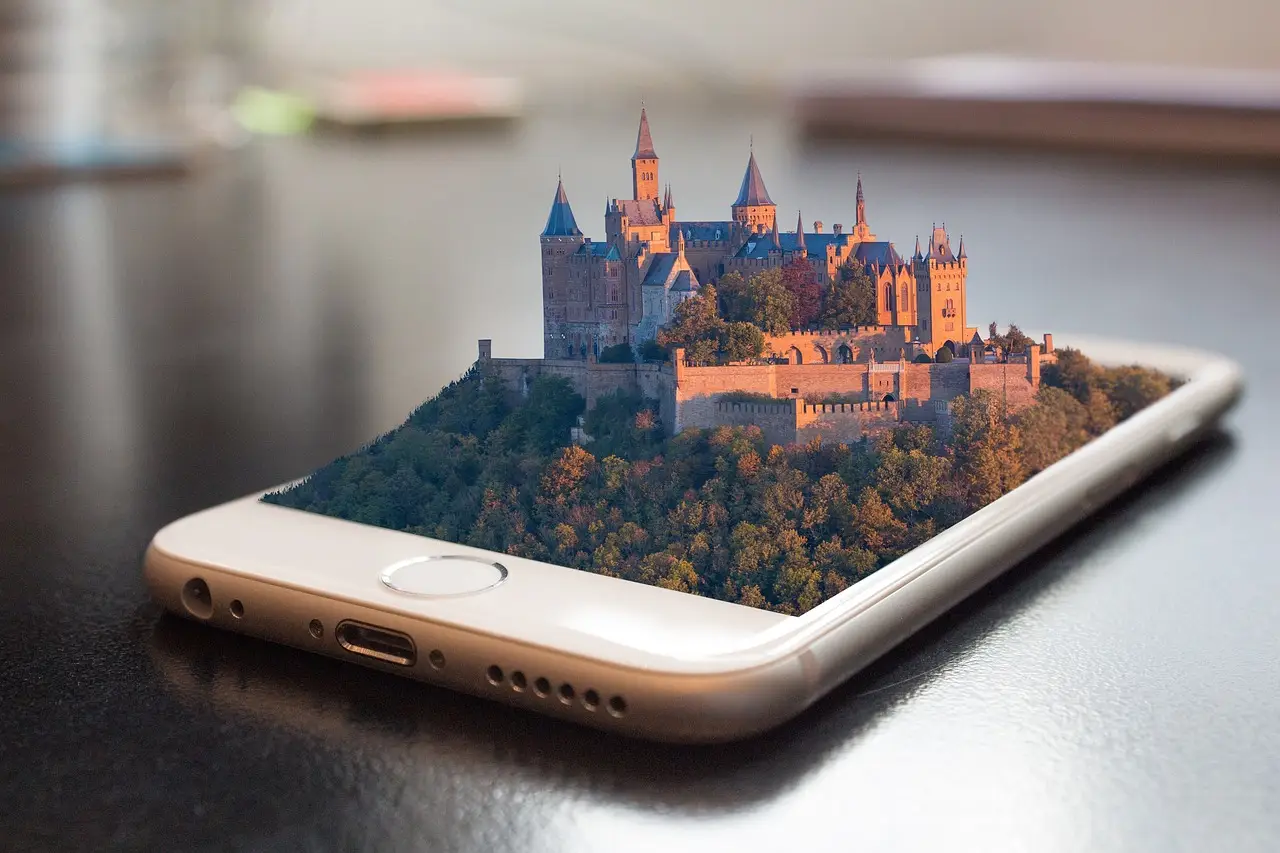
A lens 1.5 millimeters thick has produced legible augmented reality images in bright outdoor sunlight. Samsung Electronics (005930.KS) and POSTECH announced the result on June 12, when the Ministry of Science and ICT confirmed the study's publication in the journal Nature.
The metasurface-based optical technology came from a team led by Professor Junsuk Rho of POSTECH, working with Samsung Research. Dr. Yoon Jeong-geun of Samsung Research and Kang Hyun-jung, a POSTECH doctoral candidate, served as co-first authors.
What problem does the lens solve?
AR glasses overlay navigation prompts, text and video onto the real-world view. Everyday wear demands two things at once: a form factor as thin and light as ordinary eyewear, and a display that stays readable outdoors under strong sunlight. Existing optics could not deliver both. Making the lens thinner or widening the viewing area increased light loss, which dimmed the image.
The team attacked that trade-off with metasurface technology, which arranges nanostructures smaller than the wavelength of light to steer its direction of travel. Earlier research concentrated on how efficiently individual microstructures on the lens surface transmitted light. This study instead designed the entire path light follows inside the lens. Less light escaped in unwanted directions; more light reached the eye.
Which numbers define the design?
- 1.5 mm: total thickness of the optical system
- 30 degrees: diagonal field of view
- 15 mm: distance from lens to eye in the tested configuration
- 8 mm: range of horizontal and vertical eye movement over which the image remains visible
- 29 regions: zones within each layer where nanostructures were tuned differently to raise transmission efficiency
The researchers also narrowed brightness gaps between colors by stacking two layers: one carrying mainly blue and green light over one carrying mainly red and green light.
How did the prototype perform?
The team built prototype AR glasses by pairing the 1.5-millimeter optical system with a compact display. Outdoors in bright conditions, the device overlaid white text on surrounding scenery. Indoors, it rendered color video — even with display output reduced to 30%. The test demonstrated that brightness and viewing range can be secured simultaneously while keeping the lens thin.
What stands between the lab and the market?
The technology targets optical systems in next-generation wearables, including AI-based smart glasses that project real-time navigation or task information over the surrounding view. Cutting light loss could also reduce display power consumption. Three obstacles remain:
- rainbow-like blurring when outside light meets the lens microstructures
- variations in color and brightness depending on eye position
- a manufacturing process capable of mass production
"This result shows that precisely controlling the path light travels inside a lens makes it possible to produce bright, sharp images outdoors even with a thin lens," Professor Rho said. "Going forward, we will improve the rainbow blurring, secure mass-production technology, and link the work with AI-based customized image processing to develop AR glasses that are comfortable to use in daily life."
The work moves commercial AR glasses one measured step closer to ordinary eyewear: thin, bright, and readable in daylight.
via en.sedaily.com (Source)
More from Amara Osei
Show full bio
Staff writer covering money, funding and market shifts around hardware layer of artificial intelligence at Die Signal.
698 articles
Same lot · LOT-362D
- DSG-202314nmMeta Holds 81% of AI Glasses Market as Samsung Enters in December
- DSG-582914nmRay-Ban Meta Gen 3 Hits $449 With 3K Video and 9-Hour Battery
- DSG-92437nmSamsung's Intelligent Eyewear Preorders Open on the 12th
- DSG-161765nmSamsung and Google Challenge Meta's 90% Grip on AI Glasses
- DSG-148365nmHyundai and Kia Seal Smartphones as AI Glasses Trigger Leak Fears