Test report · tested November 6, 2026
Memory & StorageDevice under test
DDR4 Spot Price Slips 0.09% as Buyers Wait for Deeper Declines
DDR4 spot prices fell 0.09% to $46.82 as buyers postpone procurement. DRAM suppliers hold minimal inventory, and PC DRAM contract prices are still rising on supply cuts.
- Read
- 3 min
- Words
- 653
- Segment
- Memory & Storage
- Operator
- Marcus Bennett
Spec summary
- DDR4 1Gx8 3200MT/s spot price fell from $46.86 on October 28 to $46.82 on November 3, 2026, a 0.09% decline
- 512Gb TLC NAND wafer spot asking price fell 4.33% to $16.152 in the week to November 2, after a 9.19% drop the prior week
- TrendForce expects PC DRAM contract prices to keep rising in Q4 2026, at a slower pace, with many contracts settling in November at slight increases
- DRAM suppliers plan to cut PC DRAM supply in 2027; no reduction rate was published
- PC makers are cutting 2027 DRAM purchase volumes as their inventories rise
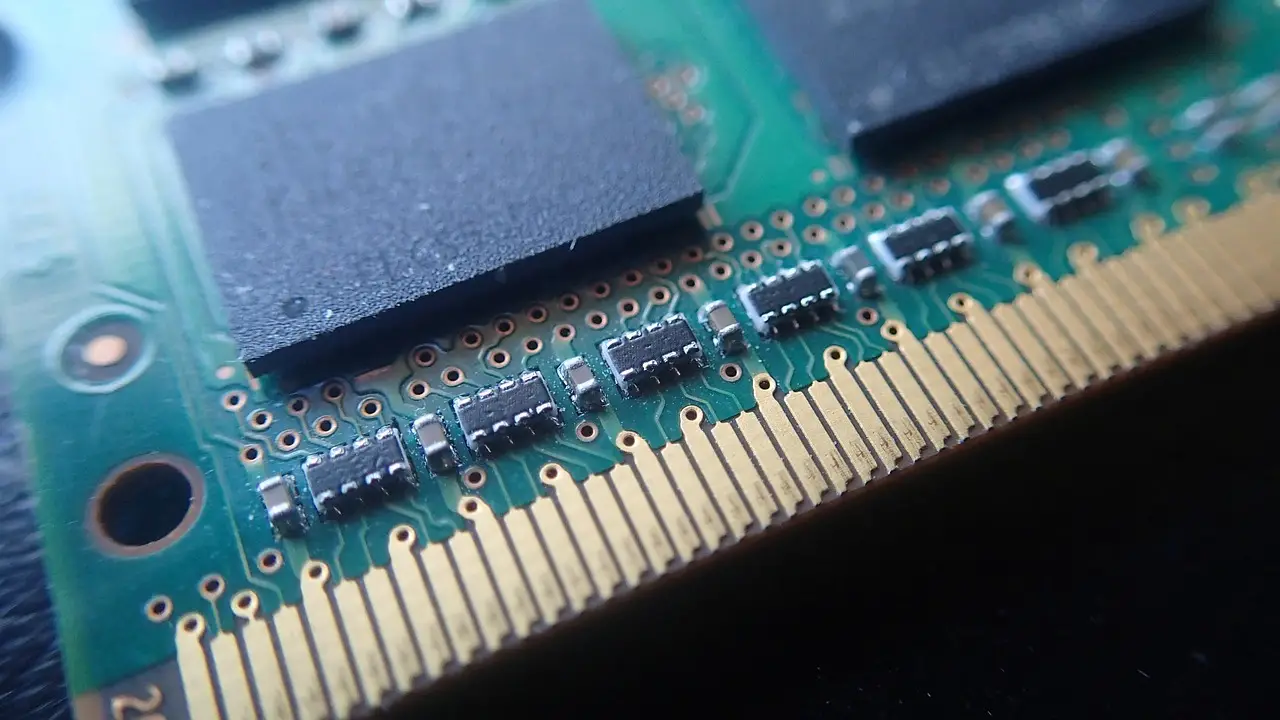
DDR4 spot prices fell 0.09% in the week through November 3, 2026, TrendForce reported on November 4. The benchmark DDR4 1Gx8 3200MT/s chip slipped from $46.86 on October 28 to $46.82. Four cents is a small move. Yet trading volume dropped sharply, because buyers are holding off.
The reason is simple: spot prices remain above manufacturers' asking prices. End demand for DDR4 is weak, according to TrendForce, but buyers see room for further declines and are postponing procurement. TrendForce has not disclosed the gap between spot and asking prices, nor the actual volume traded.
A note on definitions helps here. Spot prices come from short-term cash transactions. Contract prices are negotiated between manufacturers and customers. Chip prices do not flow straight through to retail prices for finished memory modules or SSDs. The "1Gx8" label describes an 8-gigabit chip configuration, not a finished 8-gigabyte module.
Why are weak demand and high prices coexisting?
The answer sits in who holds the inventory. TrendForce's October 28 research brief found DRAM suppliers' inventories at extremely low levels, driven by AI demand and additional orders from U.S. cloud service providers. PC makers' inventories are rising as PC shipments decline, and they are cutting 2027 purchase volumes.
- DRAM suppliers: inventories extremely low; strong negotiating position
- PC makers: inventories rising; cutting 2027 purchases
- Module makers, downgraded chips: inventories rising; scaling back purchases
- Module makers, server-grade chips: procuring aggressively
Suppliers with empty warehouses hold pricing power. PC makers with full ones restrain purchases. Weak PC demand and supplier strength are therefore not contradictory, and rising PC maker inventories do not mean the DRAM market has shifted to oversupply.
What does this change for DDR5?
DDR5 buyers behave differently. TrendForce reports some have raised target prices because of lead-time constraints. But rising component costs squeeze margins, so they stay cautious about paying high prices. Higher targets do not guarantee rising transaction prices or growing volume across the DDR5 market.
Contract prices still rising, but more slowly
PC DRAM contract prices for the fourth quarter of 2026 are still rising, though at a slower pace than the previous quarter, TrendForce reported on October 30. Buyers are resisting high asking prices. TrendForce expects many contracts to settle in November at levels involving slight increases — an October 30 outlook, not a confirmed outcome.
Supply cuts explain the resilience. Notebook shipments are sluggish and customer inventories are growing, yet DRAM makers are shifting capacity toward servers and tightening supply for PCs. TrendForce expects PC DRAM shortages to continue, and suppliers plan to reduce PC DRAM supply in 2027 from the prior year. The brief gives no reduction rate, and plans may change. If supply tightens faster than demand weakens, prices do not necessarily fall.
NAND: declines slow but continue
In NAND flash, the pace of decline is narrowing. The average spot asking price of 512Gb TLC NAND wafers fell from $16.883 on October 26 to $16.152 on November 2 — a drop of $0.731, or about 4.33%, compared with 9.19% the previous week. Prices are still falling; only the rate has shrunk. These are wafer asking prices, not transaction or SSD retail prices.
- October 26, 2026: $16.883, weekly decline 9.19%
- November 2, 2026: $16.152, weekly decline 4.33%
China's Singles' Day festival arrives around November 11. Some Chinese smartphone brands raised prices in September, then cut them before the event to clear inventory. Market participants expect limited effect from discounts, citing inflation, geopolitical and economic uncertainty, and replacement demand pulled forward into the first half of the year.
What to watch next
The key questions are whether DRAM spot trading volume recovers and where November contract prices settle. For NAND, watch Singles' Day sales and whether replenishment orders rise after the event ends. Short-term price swings alone say little; trading volumes and supply trends say more.
via Google News: DRAM chip (Source)
More from Marcus Bennett
Show full bio
News editor covering regulation, policy and their impact on hardware layer of artificial intelligence at Die Signal.
752 articles
Same lot
- DDR4 Contract Prices Jump 24% in Three Months, Outpacing DDR5
- NAND Spot Prices Fall 20% as DDR5 Stays Up 150%: Memory Market Splits
- DDR5 Prices Tripled as AI Demand Consumed DRAM Supply
- DRAM Prices Set to Climb 20% in Q4 2026 as AI Demand Meets Tight Supply
- Ex-Samsung Chip Executive: China DRAM Push Could End 414% DDR5 Price Spike