Test report · tested November 27, 2026
Supply Chain & PolicyDevice under test
Jensen Huang Wins Back Nvidia's Top Three Posts; Shares Add $950 Billion
Nvidia's board reinstated Jensen Huang as CEO, president and chairman on the spot. Shares rose 31%, their best session since 2003, adding about $950 billion in value as core PCE ran hot.
- Read
- 3 min
- Words
- 567
- Segment
- Supply Chain & Policy
- Operator
- Elena Vasquez
Spec summary
- Nvidia's board reinstated Jensen Huang as CEO, president and chairman, effective immediately
- NVDA rose 31% in its strongest session since 2003, adding roughly $950 billion to market value
- October core PCE rose 0.3% month over month and 3.3% year over year, above the 3.2% forecast and the highest since November 2023
- Headline PCE rose 0.3% month over month and 3.8% year over year, both in line with expectations
- The administration proposed tariffs of up to 20% on China, the EU and 12 other trading partners, with semiconductors, autos, steel and aluminium excluded
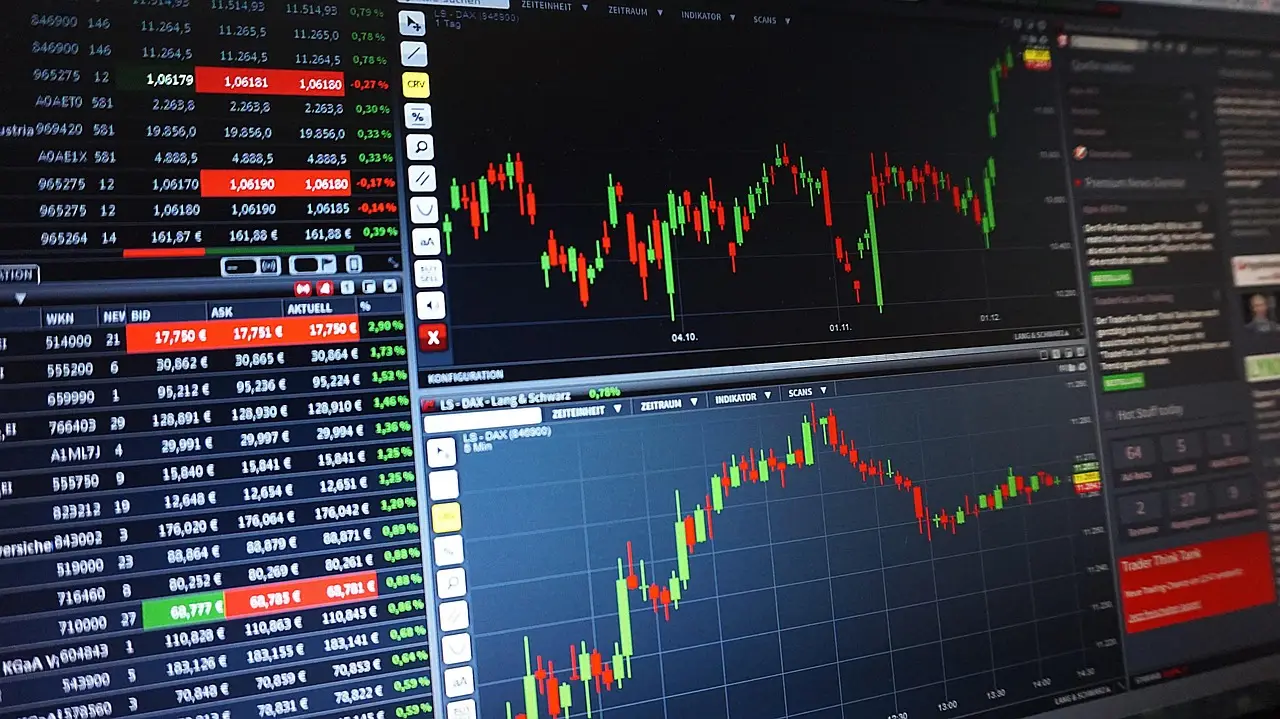
Nvidia's board reinstated Jensen Huang as chief executive, president and chairman, effective immediately, and the shares jumped 31% — the company's strongest one-day performance since 2003. That single session added roughly $950 billion to market value, and Huang again holds all three leadership posts at once.
For traders, the gap itself is the event. A 31% one-day move in a mega-cap resets option strikes, stop-loss levels and margin requirements before the next open, and it rarely repeats at that scale. The three-hat structure also concentrates control: Huang sets strategy as chief executive, chairs the board that oversees him, and carries the president's mandate over day-to-day operations.
The author of the TradingView chart that framed the move is less celebratory. moonypto wrote: "But honestly, these massive candles and extreme volatility are clear warning signs of a potential AI bubble, and I don't like it one bit."
That caution sits alongside two macro prints that landed in the same window. Inflation did not cooperate, and the administration's tariff proposal put import costs back on the agenda.
Where did inflation miss?
- Headline PCE: up 0.3% month over month and 3.8% year over year, both in line with expectations.
- Core PCE: up 0.3% on the month, and 3.3% year over year against a 3.2% forecast.
- The annual core reading matched the highest level since November 2023.
- Core inflation was the only major line in the report to come in hotter than expected.
For readers who don't track these series daily: core PCE strips out food and energy, so 3.3% year over year means the basket households actually buy sits roughly 3.3% more expensive than 12 months ago. The miss was 0.1 percentage point above consensus, and a 0.3% monthly pace on top of it is consistent with an annual rate that is not sliding lower.
The read-through for rate-sensitive positions is straightforward. A hot core print alongside a $950 billion one-day equity gain is a combination that widens the range of plausible outcomes for both, rather than narrowing it.
What do the proposed tariffs cover?
- Up to 20% on China, the EU and 12 other trading partners — 14 economies in all.
- Semiconductors, automobiles, steel and aluminium are currently excluded.
- Status: proposals, not active tariffs.
The semiconductor carve-out is the clause that matters most for chip supply chains. As drafted, no duty change lands on processors, so the tariff proposal does not directly reprice Nvidia's product cost base. The 20% ceiling on a 14-economy list still sets a reference point for import-heavy industrials, and the exclusions remain provisional until the policy is finalized.
What should traders watch next?
Three items carry the most information:
- Volatility persistence after a 31% gap, which usually decides whether such a move becomes a trend or a single-session dislocation.
- Whether the next core PCE annual reading holds above 3%, after the 3.3% print that topped the 3.2% forecast.
- Whether semiconductors stay off the tariff list in the final text, since that carve-out currently shields the chip supply chain.
The session delivered a corporate-governance decision with an instant $950 billion repricing, a stubborn 3.3% core inflation print, and a tariff plan that leaves chips alone for now. Bulls got their number. Inflation did not.
via tradingview.com (Source)
More from Elena Vasquez
Show full bio
Senior reporter covering people, launches and day-to-day practice in hardware layer of artificial intelligence at Die Signal.
814 articles