Test report · tested November 23, 2026
Processors & AcceleratorsDevice under test
Nvidia Reinstates Jensen Huang After 12 Days; Stock Jumps 28%
Nvidia reinstated Jensen Huang as CEO 12 days after accepting his resignation; the stock jumped 28% pre-market, but 4 of 6 historical CEO comebacks trailed the S&P 500 a year later.
- Read
- 5 min
- Words
- 1,080
- Segment
- Processors & Accelerators
- Operator
- Priya Raman
Spec summary
- Nvidia reinstated Jensen Huang as CEO on Monday, 12 days after his resignation was accepted; the stock rose 28% pre-market to about $161.
- In six historical CEO comebacks, the stock rose the next day five times, but four of six trailed the S&P 500 one year later.
- Nvidia reported $115.8 billion in quarterly revenue and forecast $130 billion for the current quarter.
- Nvidia shares fell 48% in about six weeks, from a record $239.24 on Oct. 6 to $125.53 on Friday.
- The board's foreign-intelligence review and an SEC staff accounting inquiry remain open.
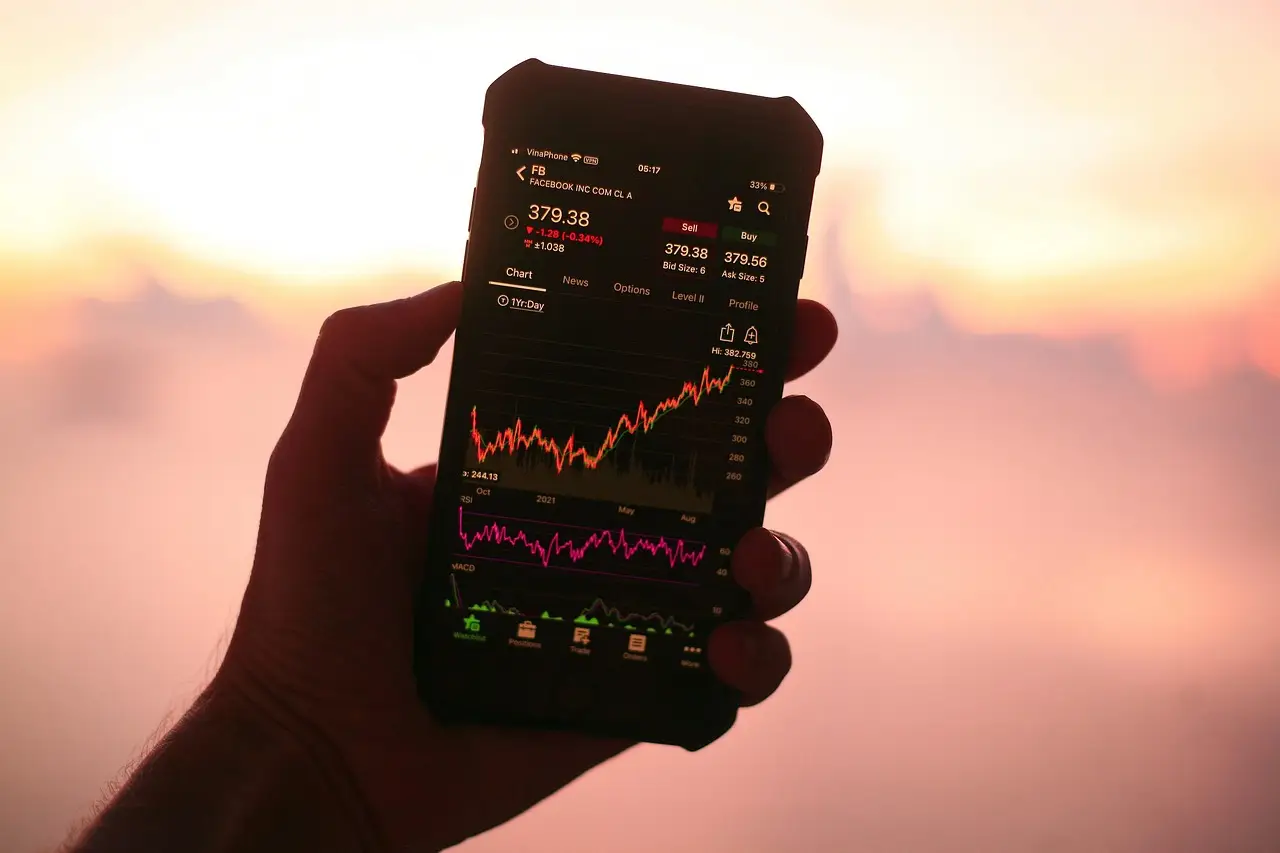
Nvidia reinstated Jensen Huang as president, chief executive and director on Monday, 12 days after its board accepted his resignation. The stock traded near $161 in pre-market shortly after 9 a.m. Eastern, up 28% from Friday's close of $125.53. The euphoria has a precedent, and the precedent is cautionary: in six earlier comebacks by founders or defining chief executives, four of the six stocks trailed the S&P 500 one year later.
What did the board actually say?
Nvidia said its board voted unanimously, effective immediately, "following a series of discussions and meetings with Mr. Huang, after which the Board was satisfied with respect to Mr. Huang's candor and ability to lead NVIDIA." Six days earlier, board chair Harvey C. Jones had said the board "does not intend to reinstate Jensen as CEO." The statement does not explain what changed between those two positions. Colette Kress, who served as interim CEO, remains chief financial officer.
"I can't wait to get back to work," Huang said in the company's statement.
The reversal follows a 48% collapse in the share price over roughly six weeks, from a record close of $239.24 on Oct. 6 to $125.53 on Friday. Trust broke; the business did not. Six days after Huang's departure, Nvidia reported $115.8 billion in quarterly revenue and forecast $130 billion for the current quarter.
What do the six comebacks show?
Measured from the last close before each return announcement, price only, dividends excluded, the record reads as follows:
- Steve Jobs, Apple, September 1997. One month: up 11% (S&P 500 up 5%). One year: up 78% (index up 12%). Five years: up 32% (index down 3%).
- Howard Schultz, Starbucks, January 2008. One month: up 1% (index down 5%). One year: down 46% (index down 36%). Five years: up 203% (index up 3%).
- Larry Page, Google, January 2011. One month: up 1% (index up 5%). One year: down 7% (index up 3%). Five years: up 129% (index up 45%).
- Jack Dorsey, Twitter, June 2015. One month: down 3% (index down 2%). One year: down 61% (index down 1%). Five years: down 8% (index up 42%).
- Howard Schultz, Starbucks, March 2022. One month: down 4% (index up 3%). One year: up 20% (index down 9%).
- Bob Iger, Disney, November 2022. One month: down 2% (index down 3%). One year: up 3% (index up 14%).
Two further cases fall outside the price data. Michael Dell returned on Jan. 31, 2007; eWeek quoted the stock at $24.22, and Dell took the company private in October 2013 at $13.88 a share including a special dividend, 43% less. Sam Altman returned to OpenAI in November 2023 within five days of his firing; OpenAI has no public stock to measure.
Why the first year was the hard one?
The first day was easy. Starbucks rose 8% the day after Schultz's 2008 return, Disney rose 6% after Iger's, and Starbucks rose 5% in 2022. Apple rose 2%, Twitter under 1%, and Google fell 2%. The stock rose the next day five times out of six.
A month later, only three of six stocks were higher than before the announcement. A year later, four of six trailed the S&P 500 and three were lower than before the comeback. Schultz returned in January 2008, months before the financial crisis, and Starbucks lost 46% of its value in his first year back.
Five years is where the record turns. Of the four comebacks with a five-year result, three beat the market: Apple by 35 points, Google by 84, Starbucks by 200. Twitter trailed by 50. Apple's own path shows the roughness beneath the aggregate: $10,000 invested the day before Jobs was named interim CEO was worth $17,760 a year later and $13,177 after five years, as the dot-com crash erased most of the first year's gain, while the same money in the S&P 500 was worth $9,694.
The two most recent comebacks have not paid yet. Through Friday, Starbucks was up 24% since Schultz's 2022 return and Disney up 29% since Iger's, against S&P 500 gains of 62% and 74%.
How is Huang's case different?
Jobs had been away from Apple for 12 years, Page from Google's top job for 10, and Schultz from Starbucks' for eight. Each returned to repair a damaged business; Apple lost more than $1 billion in its 1997 fiscal year. Huang was absent for 12 days, and revenue kept flowing. That gap limits any comparison drawn from the historical sample.
Monday's statement leaves three matters unresolved:
- The board's investigation. A committee of independent directors continues to examine reports that Huang "has been the target of a foreign intelligence effort." Nvidia says the work will run to its conclusion; Huang says he will cooperate.
- The government. Nvidia said the board heard from "senior levels of the United States government" and is confident the reinstatement "poses no national security risk." The company will keep cooperating with "ongoing government investigations and inquiries."
- The accounting inquiry. Reuters reported Friday that Securities and Exchange Commission staff are examining potential accounting issues at Nvidia. An inquiry is not a finding of wrongdoing.
What do 1,000 shares look like now?
A 1,000-share position was worth $239,240 at the Oct. 6 record and $125,530 at Friday's close. At about $161, it is worth roughly $161,000, still 33% below the record. Nvidia must rise another 49% to reclaim it.
Three questions outweigh Monday's price. How long can the holder wait, given that the comebacks that paid took five years and three of six stocks were lower at the one-year mark? How much of total savings sits in this single stock, when a 48% fall in six weeks is what one name can do to a retirement plan? And what would change the thesis, since the committee's findings and the SEC inquiry still lie ahead and could move the stock more than Monday's news did?
The bottom line is restrained. Huang's return removes the question of who runs Nvidia. The comeback record gives a long-term holder no reason to sell into the jump and no promise that the next year will be smooth. The shareholders who were paid after Jobs, Schultz and Page returned were the ones who could hold for five years.
via 247wallst.com (Source)
More from Priya Raman
Show full bio
Correspondent covering money, funding and market shifts around hardware layer of artificial intelligence at Die Signal.
731 articles
Same lot
- Nvidia Reinstates Jensen Huang as CEO; Stock Jumps 27% Pre-Market
- Nvidia Board Rules Out Huang Return; Kress Declares 'Business as Usual'
- Nvidia's Jensen Huang says a chief executive return remains possible
- Nvidia reinstates Jensen Huang after unanimous board vote
- Nvidia Reinstates Jensen Huang as CEO After 11-Day Exit